
Pharmaceutical Raw Materials
Veterinary API
Antiallergic Drugs
Hormones and Endocrine Drugs
Drug Metabolism
Pharmaceutical Intermediates
Synthetic Anti Infective Drugs
Specialty Drugs
Vitamins and Minerals Medicines
Feed Drug Additive
Antineoplastic Agents
Nervous System Drugs
Respiratory Drugs
Diagnostic Agents
Anti Stress Drugs
Antipyretic Analgesics
Antiparasitic Drugs
Circulatory System Drugs
Biochemicals
Blood System Drugs
Immune System Medication
Pharmaceutical Excipients
Fluid, Electrolyte, and Acid-Base Balance
Urinary System Drugs
Antibiotics
Anesthetic Agents
Inhibitors
Other Chemical Drugs
Digestive System Drugs
CAS:25249-54-1
Molecular Formula:C6H9NO
Alias
More Information
PVPP; N-Vinylpyrrolidone; Poly(Vinylpolypyrrolidone); 2-Pyrrolidinone,1-Ethenyl; Polyvinylpyrrolidone; 1-Vinyl-2-Pyrrolidinone; Polyvinylpolypyrrolidone; Polyvinylpyrrolidone (Pvp-P); 1-Vinyl-2-Pyrrolidone; Polyvinylpyrrolidone Cross Linked; Crospovidonum; Crospovidone; Insoluble PVP
Brief Introduction
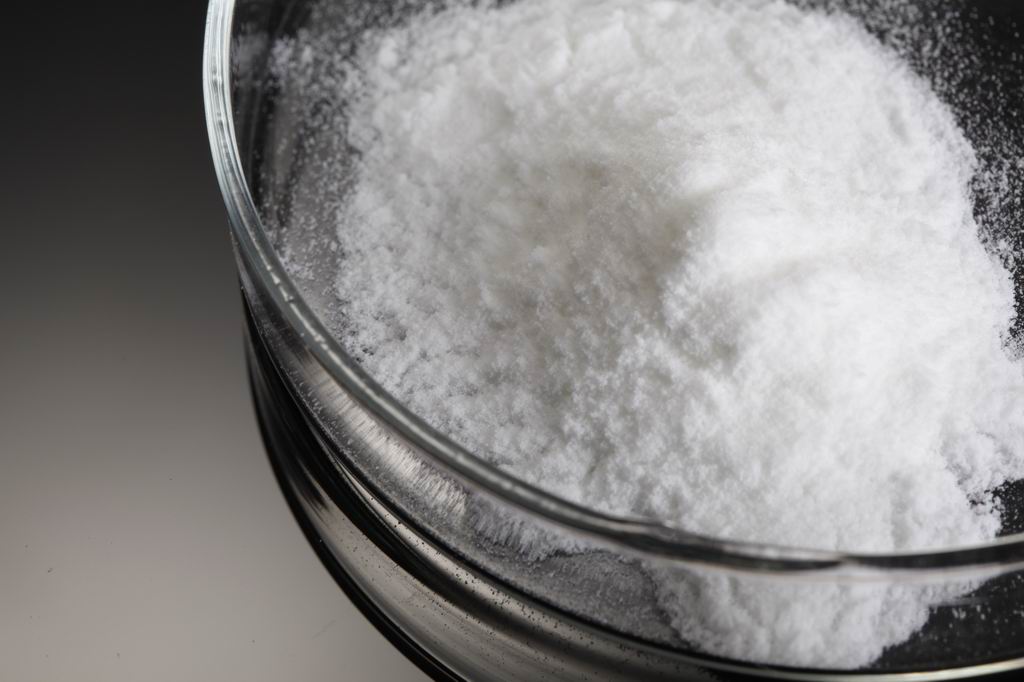
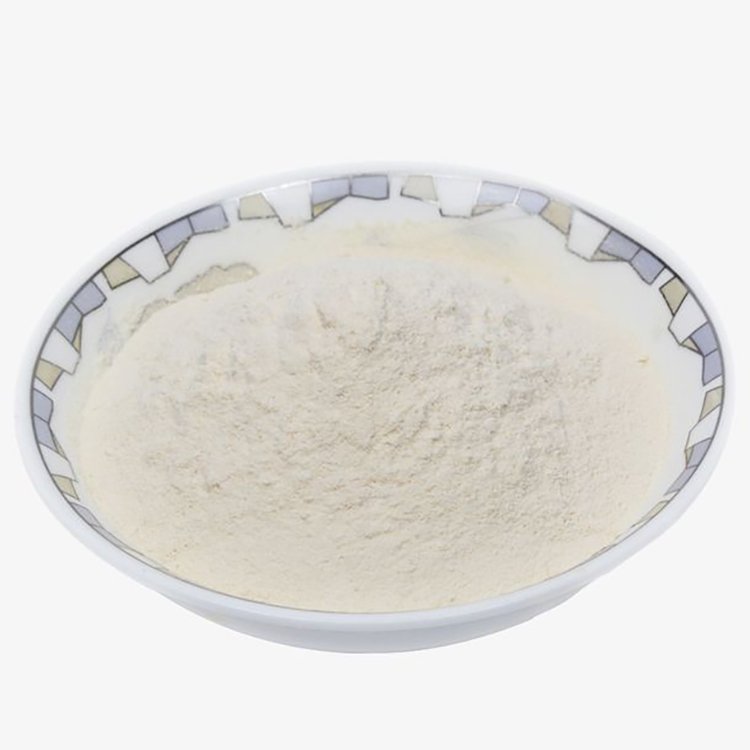
Crosslinked polyvinylpyrrolidone (PVPP) is a kind of crosslinked polymer insoluble in water, strong acid, strong base and general organic solvents, which is polymerized by vinyl pyrrolidone monomer under specific conditions. As an important polymer fine chemical product, PVPP has many excellent and unique properties and has been widely used in cosmetics, food, medicine and other fields.
Suppliers
View More Vendors (4) >


CAS:56-84-8
Molecular Formula:C4H7NO4
Alias
More Information
L-Asparticacid; Asparagic Acid; 1-Amino-1,2-Carboxyethane
Brief Introduction
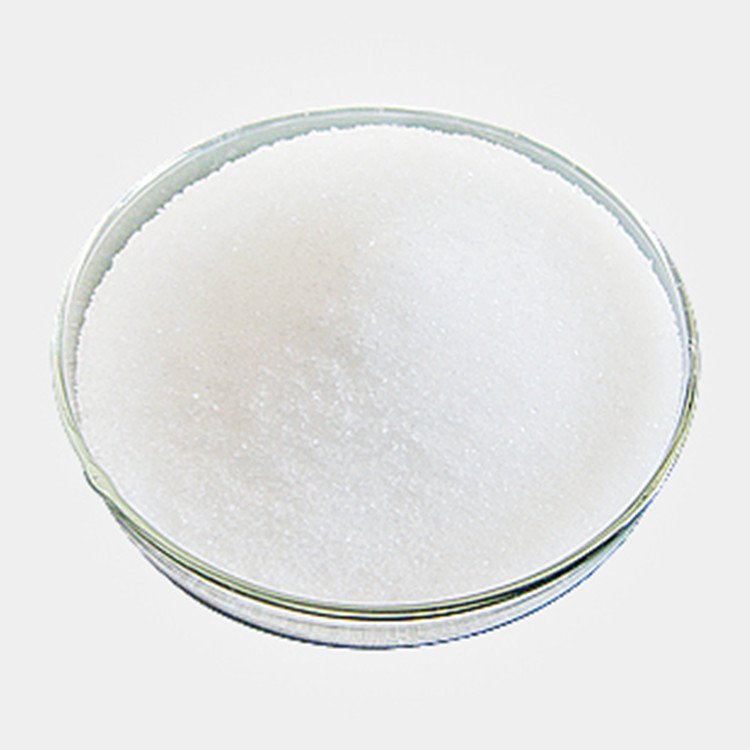
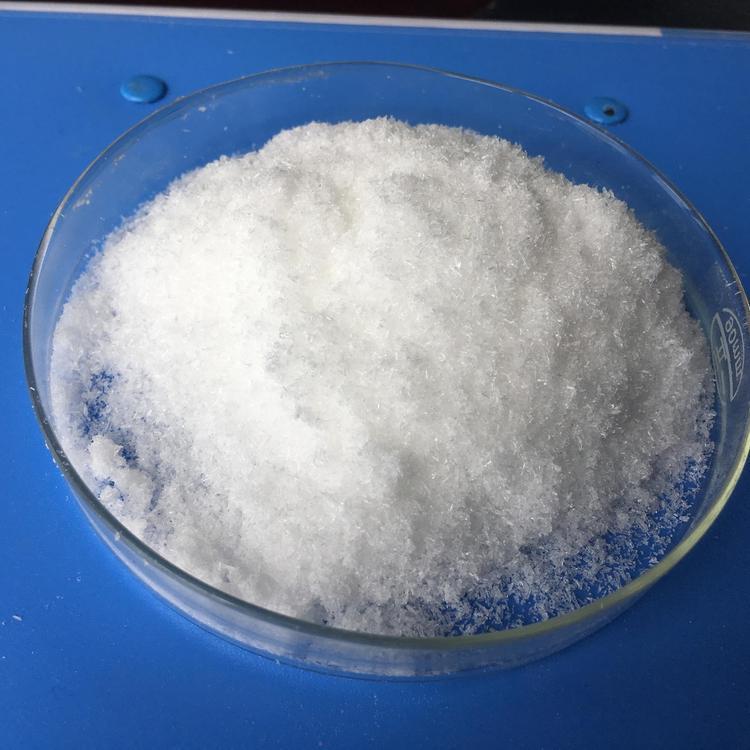
Aspartic Acid is a non-essential amino acid in humans, Aspartic Acid has an overall negative charge and plays an important role in the synthesis of other amino acids and in the citric acid and urea cycles. Asparagine, arginine, lysine, methionine, isoleucine, and some nucleotides are synthesized from aspartic acid. Aspartic acid also serves as a neurotransmitter.
Suppliers
View More Vendors (4) >

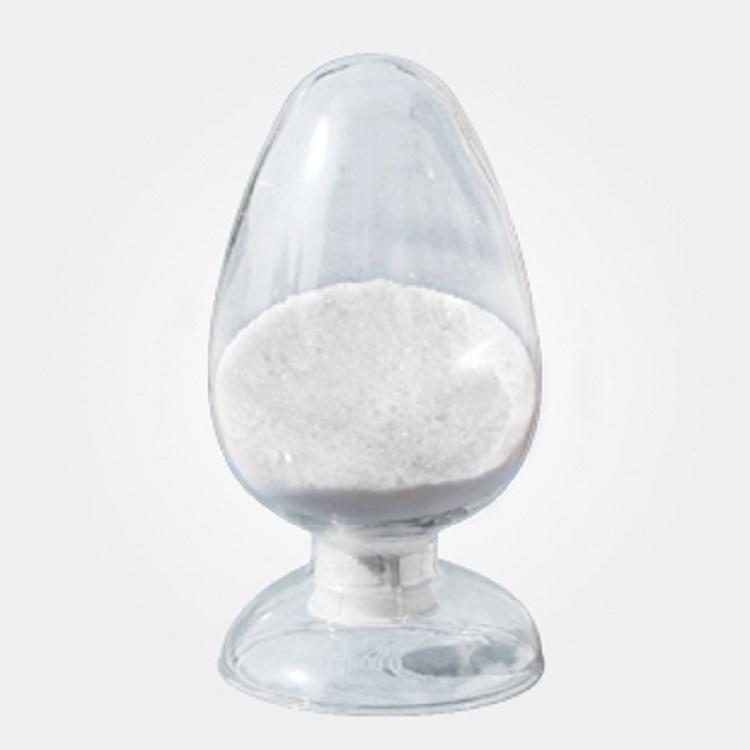
USP/EP/BP/CP/AJI
/
Pharm Grade
25kg
/
Fibre Drum
Alias
More Information
(H-Cys-Oh)2; L-Cystine; .β.,.β.'-Diamino-.β.,.β.'-Dicarboxydiethyl Disulfide; Cystin; 1-Cystine
Brief Introduction
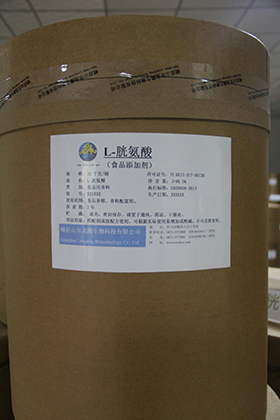
L-cystine is a nutritional supplement. It is used for breast milk of milk powder. It is a non essential amino acid. It is essential for skin and hair, and can promote the treatment of surgery and trauma. Stimulate hematopoiesis and promote leucopoiesis. It can promote the oxidation and reduction of body cells. It can also be used as an additive for cosmetics. It can promote wound healing, prevent skin allergy and treat eczema.
Suppliers
View More Vendors (4) >

CAS:99-76-3
Molecular Formula:C8H8O3
Alias
More Information
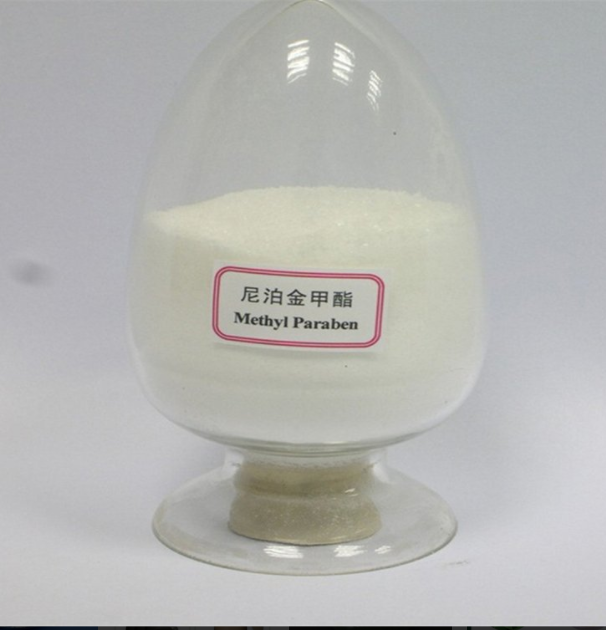
4-Hydroxybenzoic Acid Methyl Ester; Methyl 4-Hydroxybenzoate; Benzoic Acid, 4-Hydroxy-, Methyl Ester; Methyl P-Hydroxybenzoate; Methyl Paraben
Brief Introduction
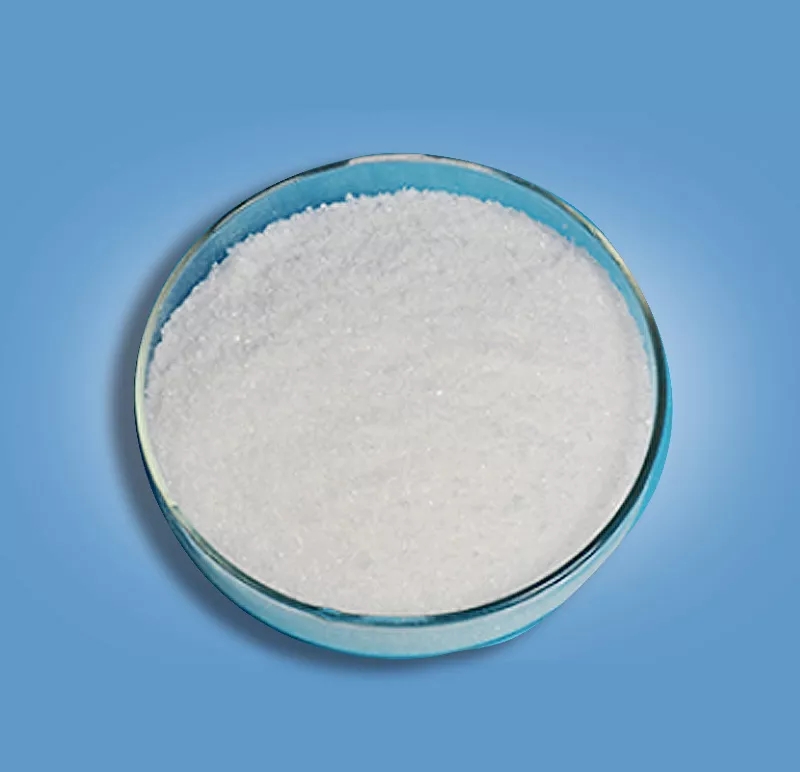
Broad spectrum antibacterial activity, can inhibit gram-negative, positive bacteria, yeast and mold has a strong inhibitory effect, compared with the traditional preservative products (such as sodium benzoate), with low concentration, broad spectrum and high efficiency, and safe and economic, long service life. It is widely used for antisepsis of cosmetics, medicine, food and other industrial products. The product can be used alone or combined with other Nipagin Esters to achieve better anti-corrosion effect. It can be compatible with various components in cosmetics.
Suppliers
View More Vendors (4) >
CAS:106-89-8
Molecular Formula:C3H5ClO
Alias
More Information
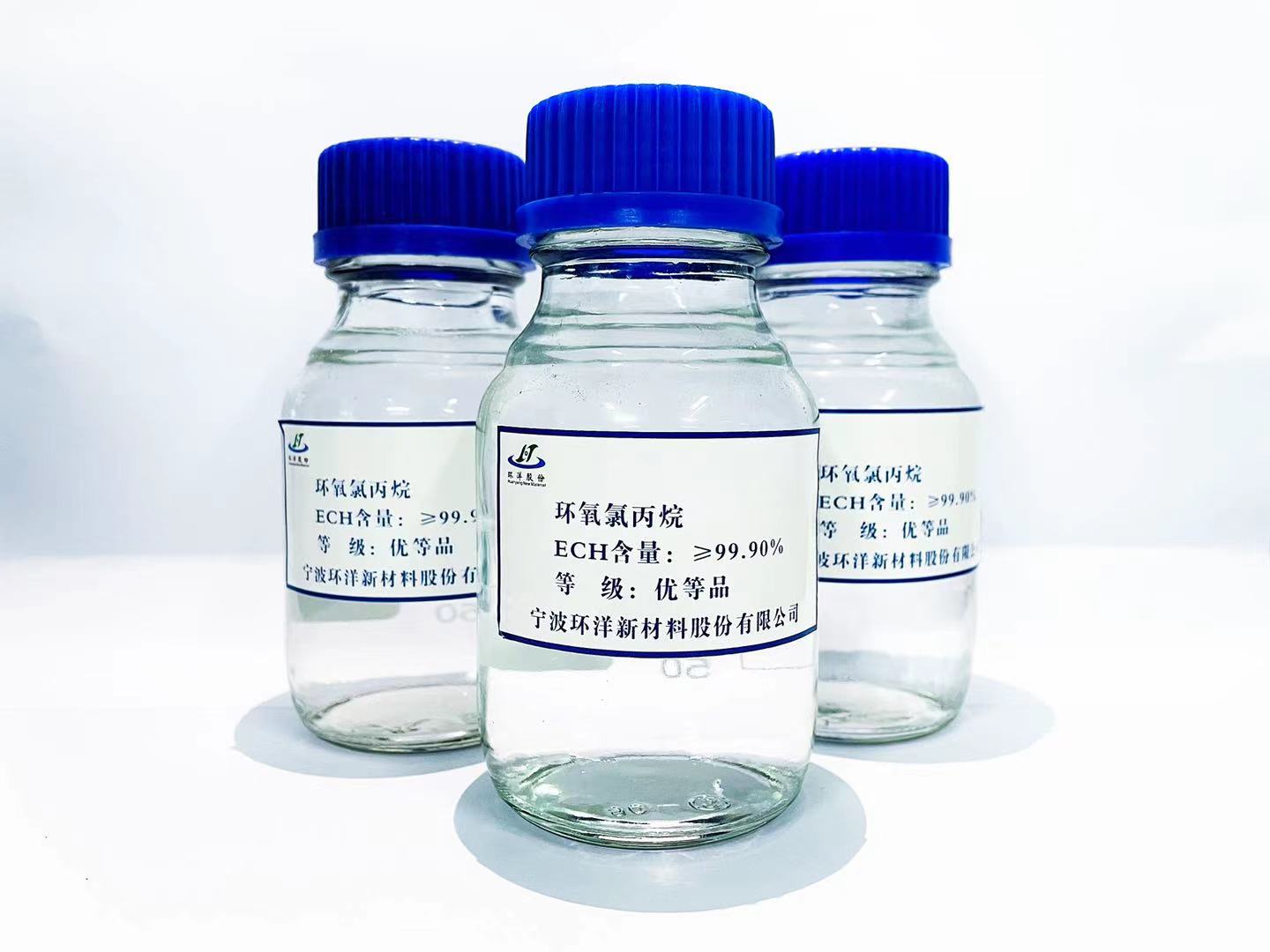
1,2-Epoxy-3-Chloropropane; 1-Chloro-2,3-Epoxypropane; Epichlorhydrine; 2,3-Epoxypropyl Chloride; 2-(Chloromethyl)Oxirane; 3-Chloro-1,2-Epoxypropane; 3-Chloro-1,2-Propylene Oxide; 3-Chloropropene-1,2-Oxide; 3-Chloropropylene Oxide; 3-Chloropropyl Epoxide; Alpha-Epichlorohydrin; Allyl Chloride Oxide; Epichlorohydrin (ECH)
Brief Introduction
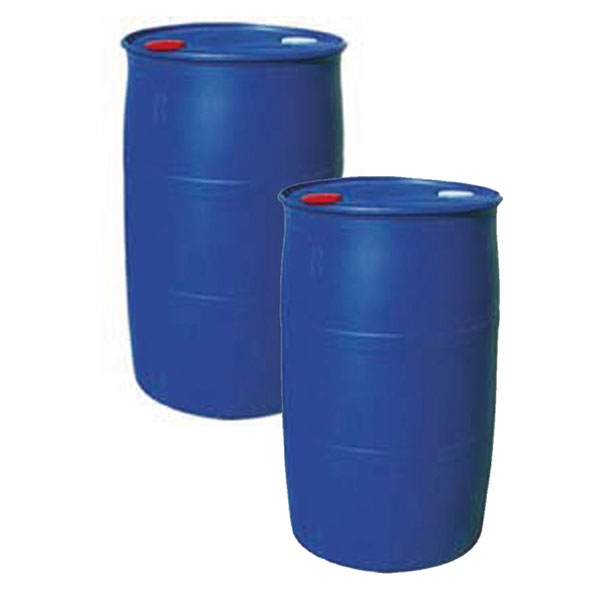
Epichlorohydrin is a volatile and flammable, clear, colorless, liquid, chlorinated cyclic ether with an irritating, chloroform-like odor that emits toxic fumes of hydrochloric acid and other chlorinated compounds when heated to decomposition. Epichlorohydrin is used in the manufacture of epoxy resins, synthetic glycerin and elastomers. Exposure to epichlorohydrin irritates the eyes, skin and respiratory tract, and can cause chemical pneumonitis, pulmonary edema, and renal lesions. This substance also affects the blood. Epichlorohydrin is reasonably anticipated to be a human carcinogen and may be associated with an increased risk of developing respiratory cancer.
Suppliers
View More Vendors (3) >
Inquiry (
10
/ 10
)
Clear All
Sign In
Error!