
Feed Additive
Additives For Food Packaging
Colorant
Stabilizer and Coagulator
Water Retention Agent
Feed Deworming Health Agents
Anti Corrosion and Preservation
Color Fixative
Flour Treatment Agent
Defoamer
Coating Agent
Feed Vitamins
Emulsifier
Other Food Additives
Nutritional Fortifier
Thickening Agent
Feed Quality Enhancer
Antioxidants
Chewing Gum Bases
Bulking Agent
Feed Amino Acids and Small Peptides
Flavor Enhancer
Sweeteners
Additives For Feed Preservation
Other Feed Additives
Food Additive
Bleaching Agents
Anticaking Agent
Food Flavors and Fragrances
Enzyme Preparation
Feed Trace Elements
Acidity Regulators
Feed Growth Promoters
Feed Conditioner
CAS:1592-23-0
Molecular Formula:C36H70CaO4
Alias
More Information
Octadecanoic Acid, Calcium Salt; Calcium Octadecanoate; Calcium Distearate; Stearates; Stearic Acid Calcium Salt; Flexichem; Aquacal; Flexichem Cs; Calcium Dioctadecanoate; Stavinor 30; Calcium Bis(Stearate); Nopcote C 104
Brief Introduction
This product is mainly used as stabilizer and lubricant of PVC, and can be used as non-toxic soft film utensils such as food packaging and medical devices. As a halogen absorbent in polyethylene and polypropylene, it can eliminate the residual catalyst in the resin, which is a lubricant for resin color and molded products. It can also be used as a release agent for lubricants of thermosetting plastics such as phenolic and amino and polyester reinforced plastics, a thickening agent for lubricating grease, a waterproof agent for textile products and a smoothing agent for paint. Food grade calcium stearate is used as an anti caking agent to prevent powdery or crystalline food from aggregation and caking, so as to maintain its free flow.
Suppliers
View More Vendors (2) >
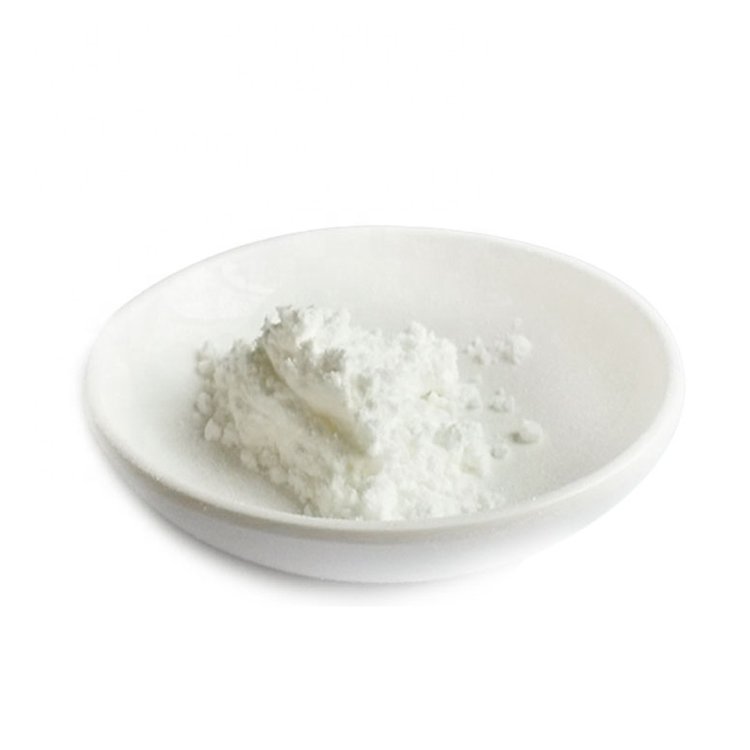
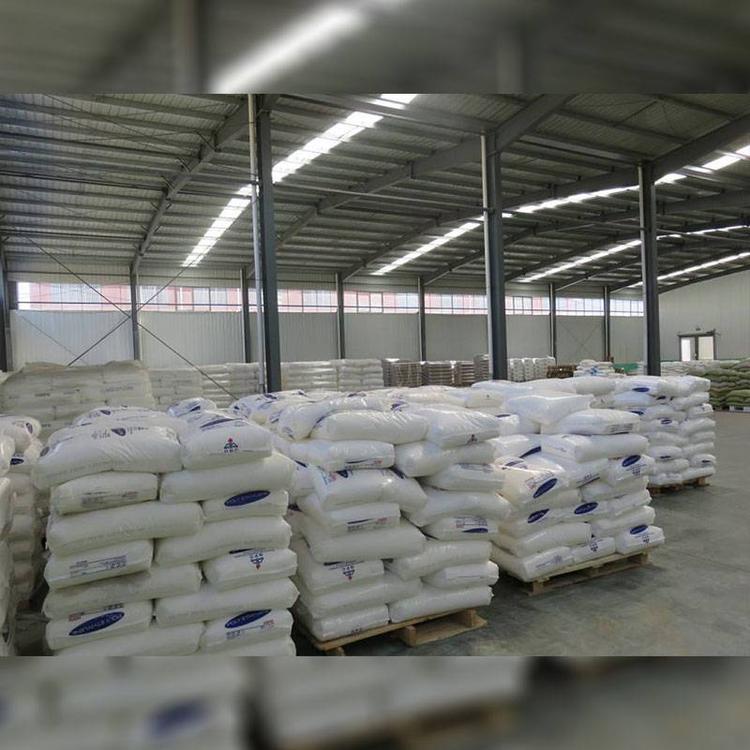
Drying loss ≤ 4.0w /%; Calcium oxide content 9.0-10.5w /%; Free acid (calculated by stearic acid) ≤ 3.0w /%
/
Food Grade
20kg
/
Woven Bag
CAS:17949-65-4
Molecular Formula:C12H8N2O4Zn
Alias
More Information
Bis(Picolinato)Zinc(Ii); Unii-Alo92O31Se; Zinc 2-Pyridinecarboxylate; Alo92O31Se; Zinc Pyridine-2-Carboxylate
Brief Introduction
Zinc Picolinate is a dietary zinc supplement containing the zinc salt of picolinic acid, that can be used to prevent or treat zinc deficiency, and with immunomodulatory activity. Upon administration, zinc picolinate supplements zinc. As an essential trace element, zinc is of key importance in many biological processes. It plays an important role in the proper functioning of the both the innate and adaptive immune system. Zinc inhibits the production of pro-inflammatory mediators and prevents inflammation. It acts as an antioxidant, prevents oxidative damage and protects cells against DNA damage. Zinc is required for the enzyme activities necessary for cell division, cell growth, and wound healing.
Suppliers
View More Vendors (2) >
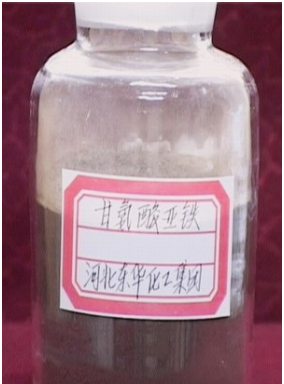
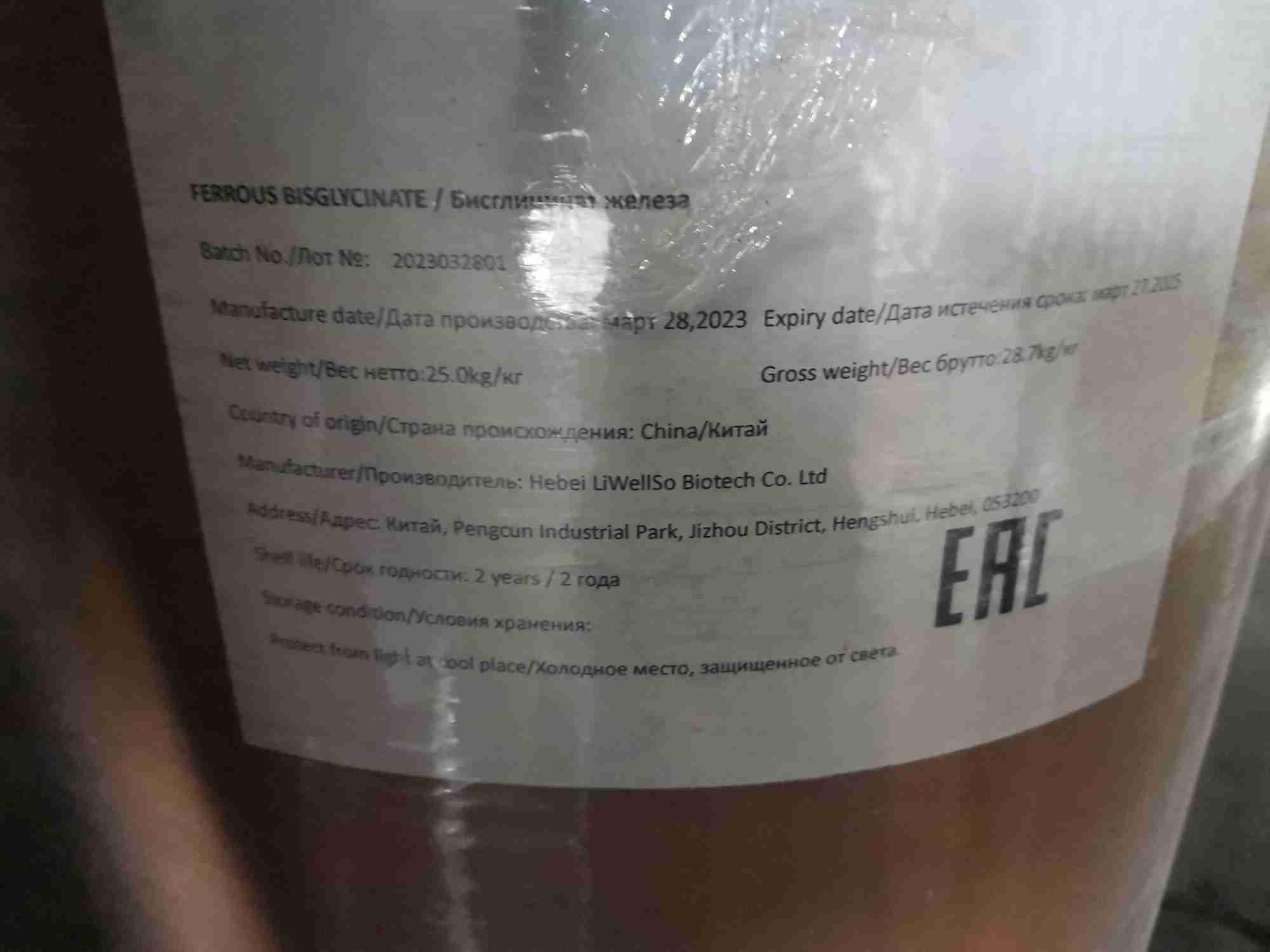
CAS:20150-34-9
Molecular Formula:C4H8FeN2O4
Brief Introduction
This product is a nutritional fortifier and a therapeutic drug for iron deficiency anemia
Suppliers
View More Vendors (2) >
CAS:2444-46-4
Molecular Formula:C17H27NO3
Alias
More Information
Capsaicin (Synthesis)(=N-Pelargonylvanillylamide); Capsaicinsynthesispelargonylvanillylamide); N-(4-Hydroxy-3-Methoxy-Benzyl)Pelargonamide; N-(4-Hydroxy-3-Methoxybenzyl)Nonanamide; N-Vanillylnonanamide; N-[(4-Hydroxy-3-Methoxy-Phenyl)Methyl]Nonanamide; N-[94-Hydroxy-3-Methoxyphenyl)Methyl]Nonanamide; Nonoyl Vanillylamide; Nonylic Acid Vanillylamide (Nonivamide); Synthetic Capsaicin; Nonivamide Capsaicine; Pelargonic Acid Vanillylamide; N-[(4-Hydroxy-3-Methoxyphenyl)Methyl]Nonanamide
Brief Introduction
It is mainly used in the production of single or compound ointment and other preparations. It is widely used in the treatment of arthritis, muscle pain, back pain, sports sprain and postherpetic neuralgia. The non-toxic biological antifouling paint made of capsaicin as the active ingredient to prevent the adhesion of marine organisms is widely used in marine ships to prevent the adhesion of marine organisms and ensure the normal navigation of ships in the sea. At the same time, it can be widely used in coastal thermal power plants, nuclear power plants and other equipment that need to use a lot of seawater for heat exchange to prevent marine organisms from blocking the water inlet pipe. Capsaicin, as an insect repellent, has been used as a functional plastic granule and coating to prevent termites and mice, which is used in cable, underground buildings and civil furniture manufacturing industry.
Suppliers
View More Vendors (2) >
CAS:25322-69-4
Molecular Formula:C6H14O3
Alias
More Information
Poly(Propene Oxide); Poly(Oxypropylene); PPG; Poly(Propylene Glycol); 2-(2-Hydroxypropoxy)-1-Propanol; 2-(2-Hydroxypropoxy)Propan-1-Ol; Propylene Oxide Homopolymer; Poly(Propylene Glycol) Macromolecule; POLY Propylene Glycol 26; PPG-26; PPG 1000
Brief Introduction
The monoester is a nonionic surfactant and can also interact with alcohol to form ether. It is a solvent for vegetable oil, resin and paraffin, and also used to prepare alkyd resin, emulsifier, anti emulsifier, lubricating oil and plasticizer.
Suppliers
View More Vendors (2) >
Inquiry (
10
/ 10
)
Clear All
Sign In
Error!