
Feed Additive
Additives For Food Packaging
Colorant
Stabilizer and Coagulator
Water Retention Agent
Feed Deworming Health Agents
Anti Corrosion and Preservation
Color Fixative
Flour Treatment Agent
Defoamer
Coating Agent
Feed Vitamins
Emulsifier
Other Food Additives
Nutritional Fortifier
Thickening Agent
Feed Quality Enhancer
Antioxidants
Chewing Gum Bases
Bulking Agent
Feed Amino Acids and Small Peptides
Flavor Enhancer
Sweeteners
Additives For Feed Preservation
Other Feed Additives
Food Additive
Bleaching Agents
Anticaking Agent
Food Flavors and Fragrances
Enzyme Preparation
Feed Trace Elements
Acidity Regulators
Feed Growth Promoters
Feed Conditioner
Alias
More Information
I-Inositol; Myoinositol; Meat Sugar; Meso-Inositol; Cyclohexane-1,2,3,4,5,6-Hexaol; (1R,2R,3S,4R,5S,6S)-Cyclohexane-1,2,3,4,5,6-Hexaol; Myo-Inositol
Brief Introduction
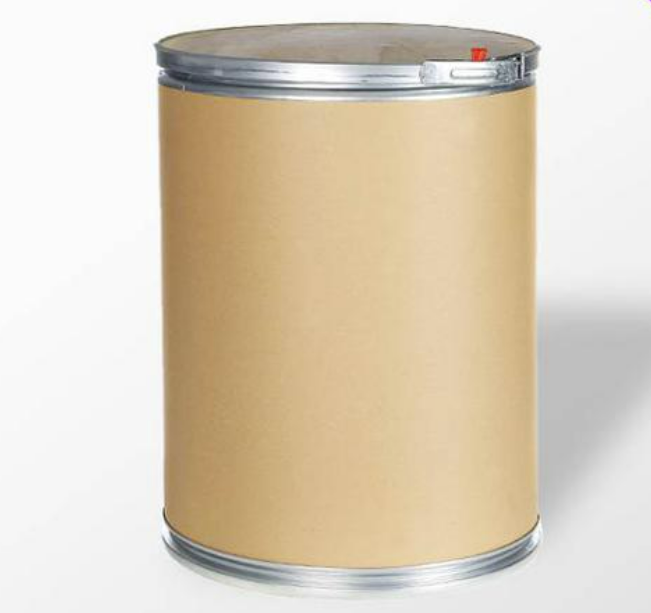
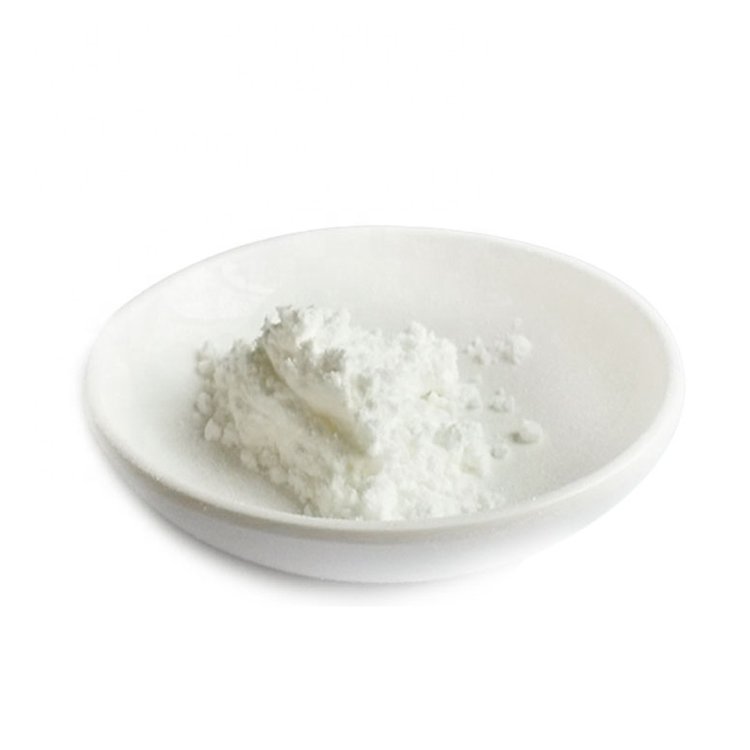
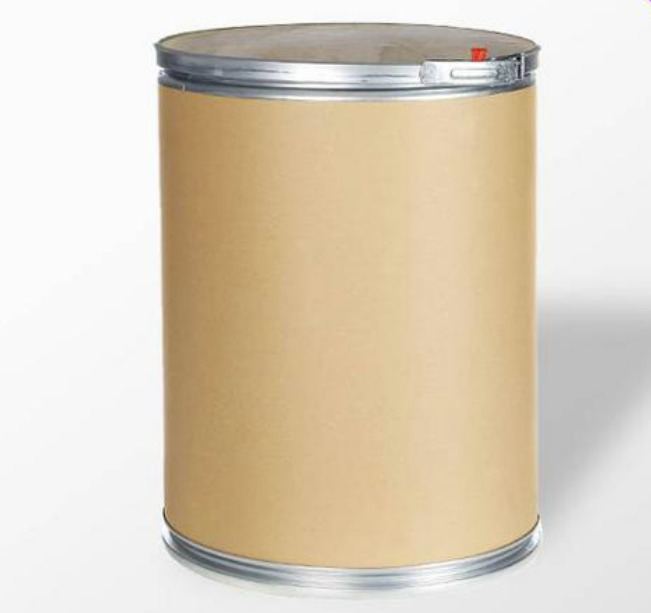
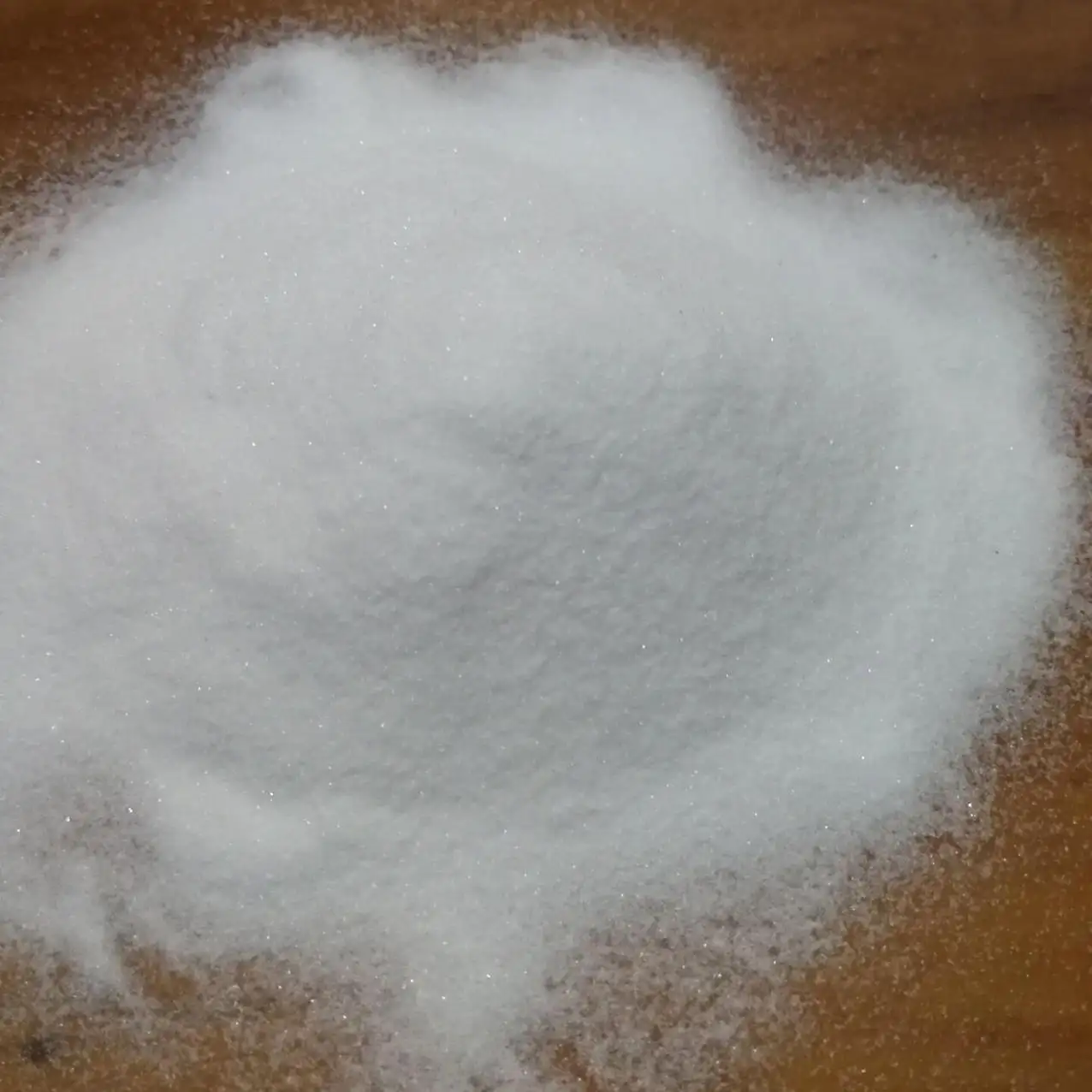
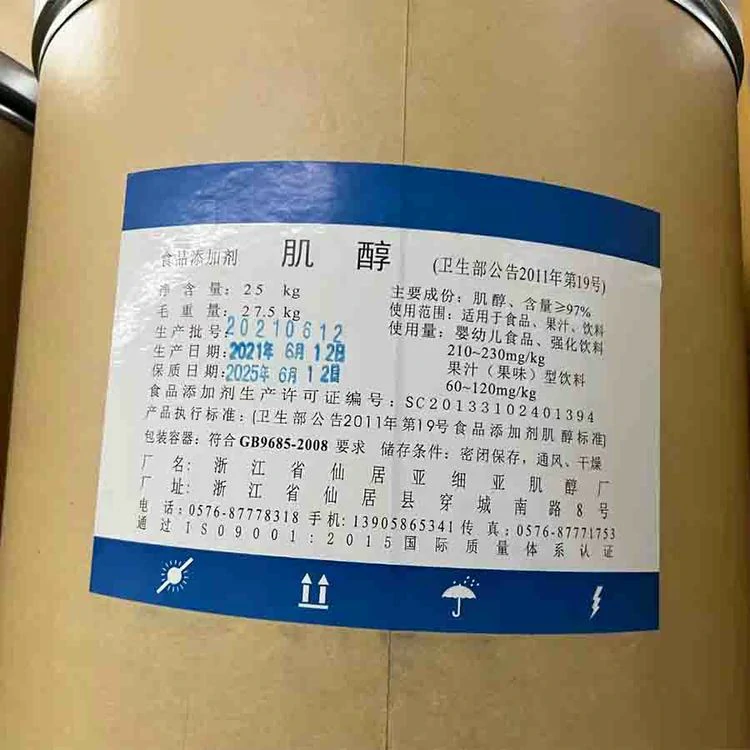
Inositol is a natural sugar found in cell membrane phospholipids, plasma lipoproteins, and (as the phosphate form) in the nucleus with potential chemopreventive properties. As one of a number of intracellular phosphate compounds, inositol is involved in cell signaling and may stimulate tumor cell differentiation.
Inositol is a collection of nine different stereoisomers but the name is usually used to describe only the most common type of inositol, myo-inositol. Myo-inositol is the cis-1,2,3,5-trans-4,6-cyclohexanehexol and it is prepared from an aqueous extract of corn kernels by precipitation and hydrolysis of crude phytate. These molecules have structural similarities to glucose and are involved in cellular signaling. It is considered a pseudovitamin as it is a molecule that does not qualify to be an essential vitamin because even though its presence is vital in the body, a deficiency in this molecule does not translate into disease conditions. Inositol can be found as an ingredient of OTC products by Health Canada but all current product whose main ingredient is inositol are discontinued. By the FDA, inositol is considered in the list of specific substances affirmed as generally recognized as safe (GRAS).
Myo-inositol is an inositol having myo- configuration. It has a role as a member of compatible osmolytes, a nutrient, an EC 3.1.4.11 (phosphoinositide phospholipase C) inhibitor, a human metabolite, a Daphnia magna metabolite, a Saccharomyces cerevisiae metabolite, an Escherichia coli metabolite and a mouse metabolite.
Suppliers
View More Vendors (5) >
Alias
More Information
Xylo-Oligosaccharide; D-Xylitol; Xylite; Klinit; 1,2,3,4,5-Pentahydroxypentane; Kylit; Xlear Xylosweet
Brief Introduction
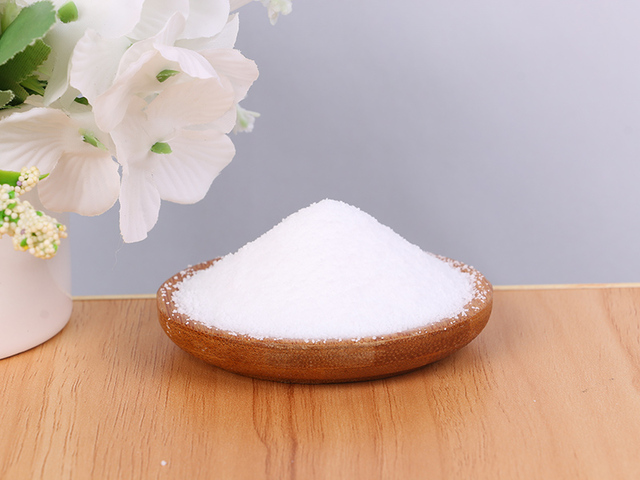
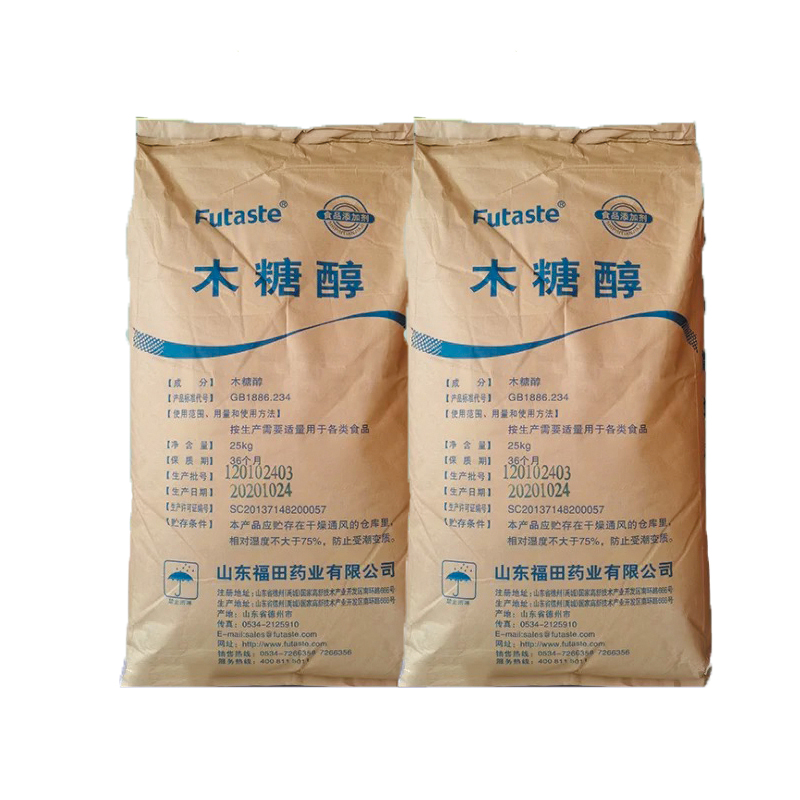
Xylitol is a pentitol (five-carbon sugar alcohol) having meso-configuration, being derived from xylose by reduction of the carbonyl group. IXylitol is a naturally occurring five-carbon sugar alcohol found in most plant material, including many fruits and vegetables. Xylitol-rich plant materials include birch and beechwood. It is widely used as a sugar substitute and in "sugar-free" food products. The effects of xylitol on dental caries have been widely studied, and xylitol is added to some chewing gums and other oral care products to prevent tooth decay and dry mouth. Xylitol is a non-fermentable sugar alcohol by most plaque bacteria, indicating that it cannot be fermented into cariogenic acid end-products. It works by inhibiting the growth of the microorganisms present in plaque and saliva after it accummulates intracellularly into the microorganism. The recommended dose of xylitol for dental caries prevention is 6–10 g/day, and most adults can tolerate 40 g/day without adverse events.
t has a role as a sweetening agent, an allergen, a hapten, a human metabolite, an algal metabolite, a Saccharomyces cerevisiae metabolite and a mouse metabolite.
Suppliers
View More Vendors (5) >

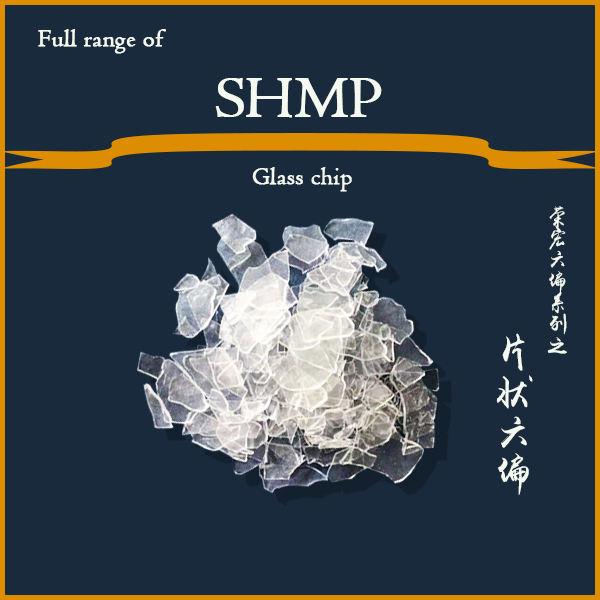
CAS:10124-56-8
Molecular Formula:Na6O18P6
Alias
More Information
Sodium Hexametaphoshpate; Sodium Metaphosphate; Calgon; Sodium hexa; SHMP; Hexasodium; Sodium Henamephophate; shmp Manufacturers
Brief Introduction
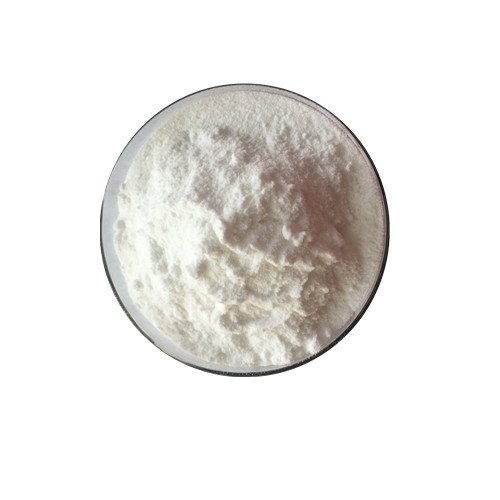
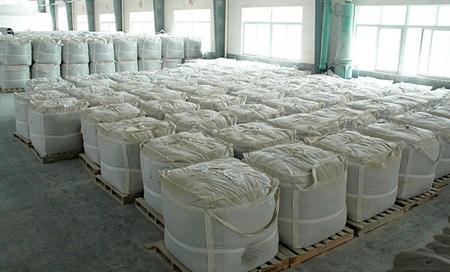
In food industry, it is used as quality improver, pH regulator, metal ion chelator, adhesive and expander.
Suppliers
View More Vendors (5) >
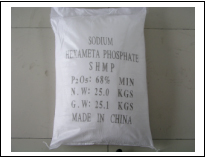
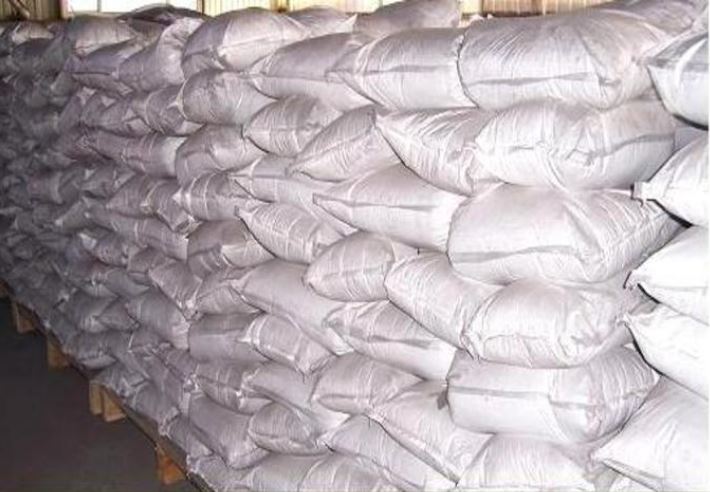
GB1886.4,P2O5 ≥68.0%
/
Food Grade
25kg
/
Woven Bag
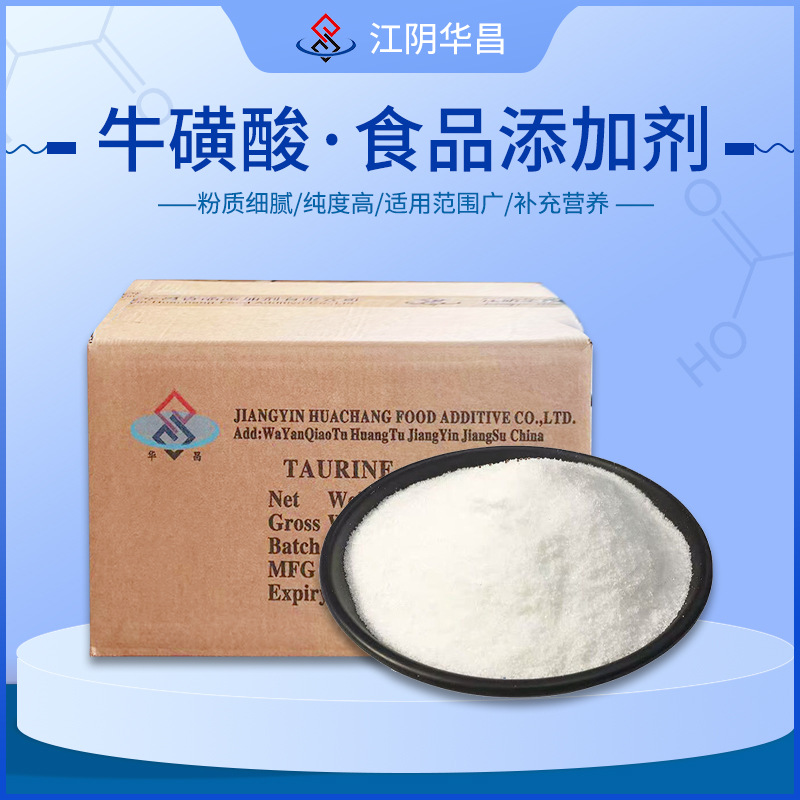
CAS:107-35-7
Molecular Formula:C2H7NO3S
Alias
More Information
2-Aminoethylsulfonic Acid; 2-Aminoethanesulfonic Acid; L-Taurine; β-Taurine; beta-Taurine; 2-Aminoethane Sulfonic Acid; Tauphon; Aminoethanesulfonic Acid; β -Taurine; Tacholic acid; Tacholin; Tatu; Taukard; 2-Sulfoethylamine; Taufon; Turin; O-Due; Taurin; Taurine Powder; Taurine USP
Brief Introduction
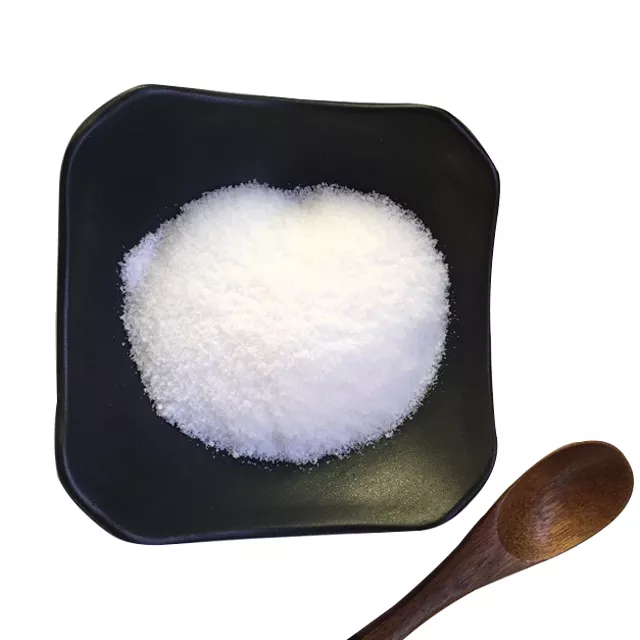
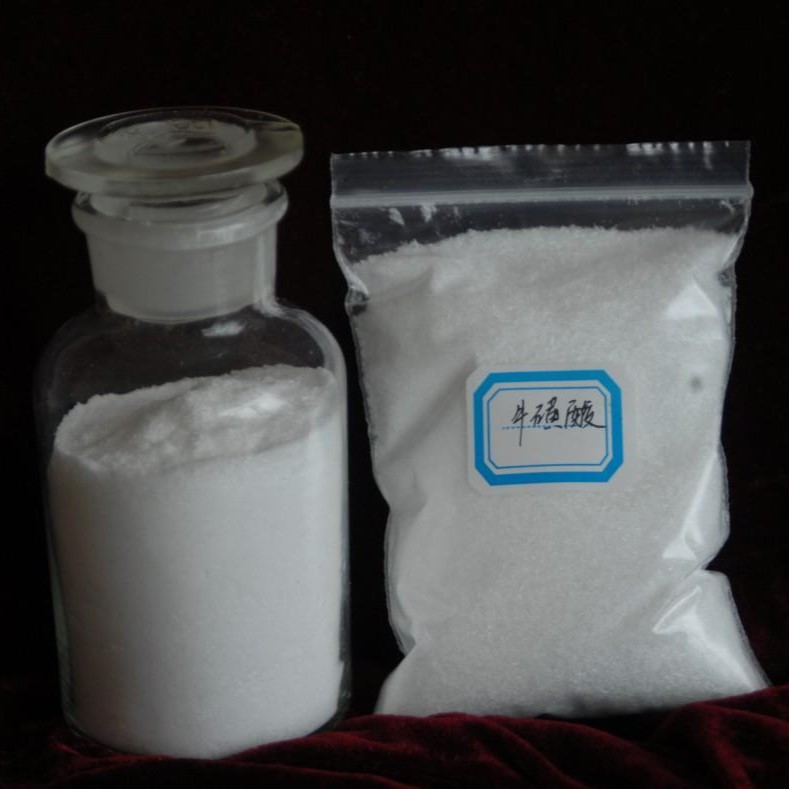
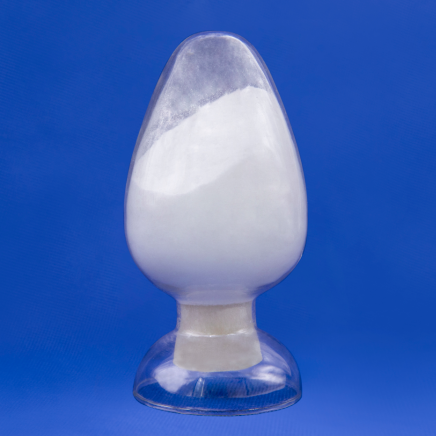
Taurine is a kind of nonprotein amino acid. As a nutritional enhancer, it is beneficial to the brain development, nerve conduction, visual function improvement, calcium absorption and lipid digestion and absorption of infants. It is a kind of amino acid with special physiological function in human body. It was first found in the bile of male cattle. It can be used not only in medicine, but also in food and other industries.
Suppliers
View More Vendors (5) >
CAS:107-92-6
Molecular Formula:C4H8O2
Alias
More Information
Butyric Acid; Butanoic Acid
Brief Introduction
Butyric Acid is a saturated short-chain fatty acid with a 4-carbon backbone. Butyric acid is commonly found in esterified form in animal fats and plant oils.
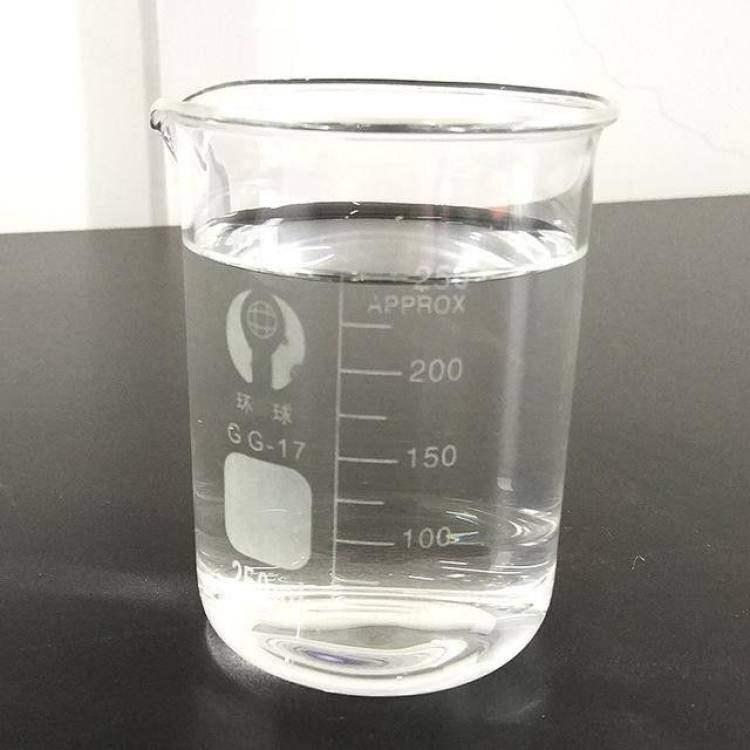
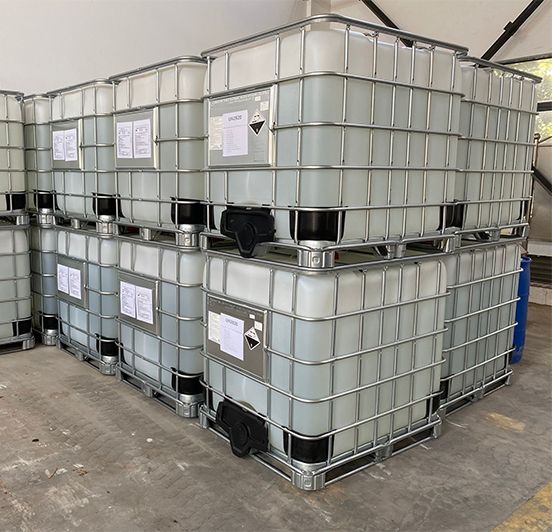
Butyric acid appears as a colorless liquid with a penetrating and unpleasant odor. Flash point 170°F. Corrosive to metals and tissue. Density 8.0 lb /gal.
Butyric acid is a straight-chain saturated fatty acid that is butane in which one of the terminal methyl groups has been oxidised to a carboxy group. It has a role as a Mycoplasma genitalium metabolite and a human urinary metabolite. It is a straight-chain saturated fatty acid and a fatty acid 4:0. It is a conjugate acid of a butyrate.
Suppliers
View More Vendors (5) >
Inquiry (
10
/ 10
)
Clear All
Sign In
Error!