
Pharmaceutical Raw Materials
Veterinary API
Antiallergic Drugs
Hormones and Endocrine Drugs
Drug Metabolism
Pharmaceutical Intermediates
Synthetic Anti Infective Drugs
Specialty Drugs
Vitamins and Minerals Medicines
Feed Drug Additive
Antineoplastic Agents
Nervous System Drugs
Respiratory Drugs
Diagnostic Agents
Anti Stress Drugs
Antipyretic Analgesics
Antiparasitic Drugs
Circulatory System Drugs
Biochemicals
Blood System Drugs
Immune System Medication
Pharmaceutical Excipients
Fluid, Electrolyte, and Acid-Base Balance
Urinary System Drugs
Antibiotics
Anesthetic Agents
Inhibitors
Other Chemical Drugs
Digestive System Drugs
CAS:120-14-9
Molecular Formula:C9H10O3
Alias
More Information
3,4-Dimethoxybenzaldehhyde; 3,4-Dimethoxybenzaldehyd; P-Veratricaldehyde; Veratraldehyd; 3,4-Dimethoxy Benzaldehyde; Veratrylaldehyde; Veratric Aldehyde
Brief Introduction
The product is an organic synthetic intermediate. The pharmaceutical industry is used to synthesize the drug methyldopa, and also to produce the veterinary drug sulfanilamide synergist Dijunjing. 02% (by weight) of this veterinary drug was added into the feed to enhance the efficiency of iodamine added in the feed, which was used to control poultry bacterial infection.
Suppliers
View More Vendors (3) >
CAS:120511-72-0
Molecular Formula:C15H18N2
Alias
More Information
3,5-Bis(2-Cyanoisopropyl)Toluene(Foranastrozole); Pentamethyl-1,3-Benzenediacetonitrile; 2,2'-(5-Methyl-1,3-Phenylene)Di(2-Methylpropanenitrile); 2,2-(5-Methyl-1,3-Phenylene)-Bis-(2-Methyl-Propionitrile); α,α,α',α'-Tetramethyl-5-Methyl-1,3-Benzenediacetonitrile
Brief Introduction
3,5-Bis(2-Cyanoprop-2-yl)Toluene can be used as an intermediate of anastrozole.
Suppliers
View More Vendors (3) >
CAS:125971-94-0
Molecular Formula:C14H23NO4
Alias
More Information
ATS-8; Tert-Butyl (4R,6R)-6-Cyanomethyl-2,2-Dimethyl-1,3-Dioxane-4-Acetate; (4R-Cis)-1,1-Dimethylethyl-6-Cyanomethyl-2,2-Dimethyl-1,3-Dioxane-4-Acetate; (4R,6R)-6-Cyanomethyl-2,2-Dimethyl-1,3-Dioxane-4-Acetic Acid Tert-Butyl Ester; Tert-Butyl 6-Cyanomethyl-2,2-Dimethyl-1,3-Dioxolane-4-Acetate; (4R,6R)-T-Butyl-6-Cyanomethyl-2,2-Dimethyl-1,3-Dioxane-4-Acetate; (4R,Cis)-1,1-Dimethylethyl-6-Cyanomethyl-2,2-Dimethyl-1,3-Dioxane-4-Acetate; (4R,3R)-Tert-Butyl-6-Cyanomethyl-2,2-Dimethyl-1,3-Dioxane-4-Acetate; (4R-Cis)-1,1-Dimethylethyl-6-Cyanomethyl-2,2-Dimethyl-1,3-Dioxane-4-Acetate (Ats-8); Tert-Butyl[(4R,6R)-6-Cyanomethyl-2,2-Dimethyl-1,3-Dioxan-4-Yl]Acetate; Atorvastatin Calcium Intermediate ats-8; ATS-8: (4R-cis)-1,1-Dimethylethyl-6-Cyanomethyl-2,2-Dimethyl-1,3-Dioxane-4-Acetate; (4R,CIS)-1,1-Dimethylethyl-6- Cyanomethyl-2,2-Dimethyl-1,3- Dioxane-4-Acetate (ATS-8)
Brief Introduction
Tert-butyl 2-[(4R,6R)-6-(cyanomethyl)-2,2-dimethyl-1,3-dioxan-4-yl]acetate is used as an intermediate of atorvastatin. Atorvastatin is a selective competitive HMG CoA reductase inhibitor, which can significantly reduce LDL CH and triglyceride, but does not cause the redistribution of triglyceride, but constantly reduces TG in all lipoprotein components. It is suitable for the patients with primary hypercholesterolemia, heterozygous familial hypercholesterolemia or mixed hyperlipidemia, whose diet control can not effectively reduce the average total cholesterol, low density lipoprotein cholesterol and triglyceride. It is also suitable for patients with heterozygous familial hypercholesterolemia who have diet control at the same time.
Suppliers
View More Vendors (3) >
CAS:127-17-3
Molecular Formula:C3H4O3
Alias
More Information
2-Ketopropionic Acid; Pyroracemic Acid; Acid Pyruvate; Propanoic Acid, 2-Oxo-; Acetylformic Acid; Pyruvic; 2-Oxopropanoic Acid; Pyruvic-Acid; 2-Ketopropanoic Acid
Brief Introduction
Pyruvate is a component of human body, which is mainly involved in the metabolism of sugar and fat in human body, and is also one of the intermediate products of carbohydrate metabolism. Pyruvic acid and its salt are widely used in medicine field, and are used to produce tranquilizers, antioxidants, disease resistant agents, synthetic drugs for hypertension and so on. Pyruvic acid can be used in the synthesis of medicine and amino acids, which can improve the production efficiency, especially in pharmaceutical industry, it can shorten the process and simplify the process. For example, 2-phenyloctenic acid, which is made of this product, is a kind of antipyretic and analgesic and diuretic drug. Using this product as raw material can greatly reduce the production cost. It is also used as the anti tuberculosis drug, calcium isoniazide pyruvate, hormone synthesis, pyreniumapamote as an insecticide, and also as pesticide raw materials. The tryptophan can be produced by biochemical reaction from pyruvic acid, indole and ammonia, and it can also be used to produce MSG and spices.
Suppliers
View More Vendors (3) >
CAS:127-18-4
Molecular Formula:C2Cl4
Alias
More Information
Tetrachloro Ethylene; Perchloroethylene; Ethene, Tetrachloro-; Pce; Tetrachlorethylene; Tetrachloroethylene Baker Analyzed Reagent - 4 L; Pce,Perchloroethylene; Ethene,1,1,2,2-Tetrachloro-; Tetrachloroethylen; Tetrachloroethylene; Tetrahydrofuran Dried; Perchlorethylene; Plant pce
Brief Introduction
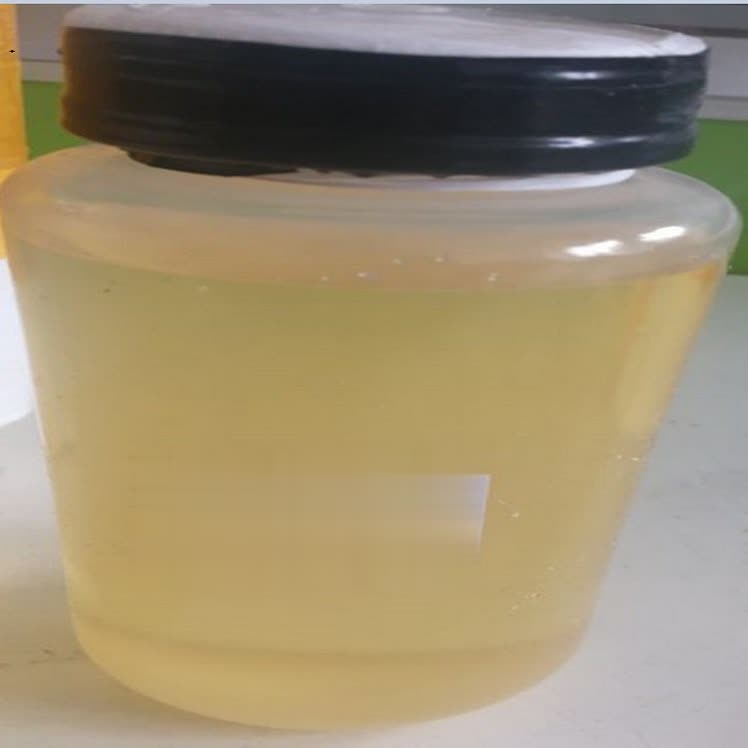
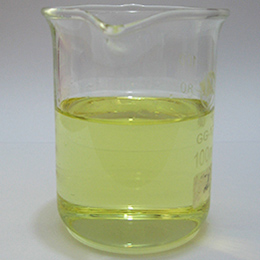
Tetrachloroethylene is a colorless, volatile, nonflammable, liquid, chlorinated hydrocarbon with an ether-like odor that may emit toxic fumes of phosgene when exposed to sunlight or flames. Tetrachloroethylene is mainly used as a cleaning solvent in dry cleaning and textile processing and in the manufacture of fluorocarbons. Exposure to this substance irritates the upper respiratory tract and eyes and causes neurological effects as well as kidney and liver damage. Tetrachloroethylene is reasonably anticipated to be a human carcinogen and may be linked to an increased risk of developing skin, colon, lung, esophageal, and urogenital tract cancer as well as lymphosarcoma and leukemia.
Suppliers
View More Vendors (3) >
苏州嘉鼎化学有限公司
99.9%
/
-
Inquiry (
10
/ 10
)
Clear All
Sign In
Error!