
Pharmaceutical Raw Materials
Veterinary API
Antiallergic Drugs
Hormones and Endocrine Drugs
Drug Metabolism
Pharmaceutical Intermediates
Synthetic Anti Infective Drugs
Specialty Drugs
Vitamins and Minerals Medicines
Feed Drug Additive
Antineoplastic Agents
Nervous System Drugs
Respiratory Drugs
Diagnostic Agents
Anti Stress Drugs
Antipyretic Analgesics
Antiparasitic Drugs
Circulatory System Drugs
Biochemicals
Blood System Drugs
Immune System Medication
Pharmaceutical Excipients
Fluid, Electrolyte, and Acid-Base Balance
Urinary System Drugs
Antibiotics
Anesthetic Agents
Inhibitors
Other Chemical Drugs
Digestive System Drugs
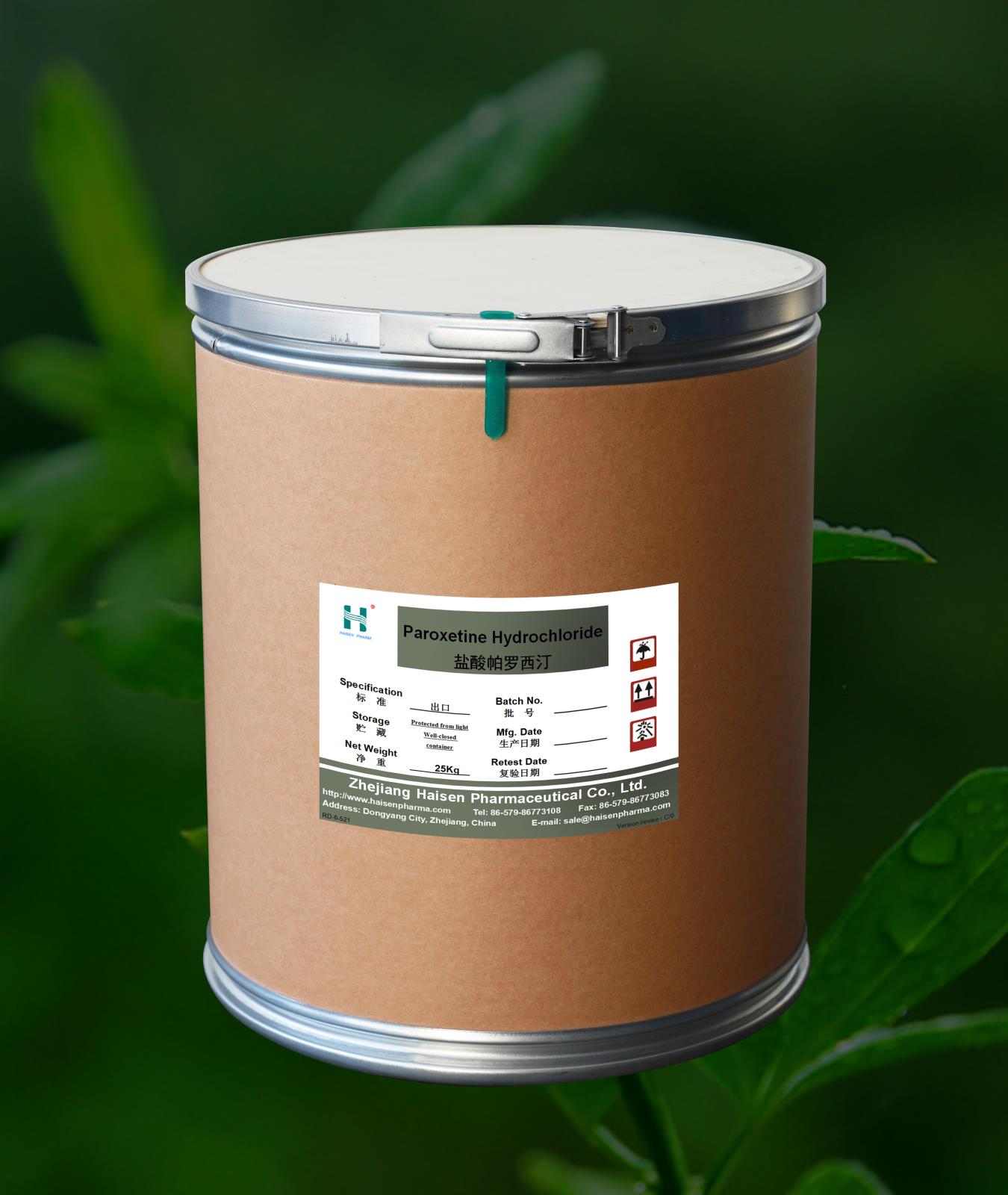
CAS:78246-49-8
Molecular Formula:C19H21ClFNO3
Alias
More Information
Paromomycinsulfate; (3S,4R)-Orid; (3S-Trans)-Id; 3-((1,3-Benzodioxol-5-Yloxy)Methyl)-4-(4-Fluorophenyl)-,Hydrochloride,(3S-Trans)-Piperidin; 3-((1,3-Benzodioxol-5-Yloxy)Methyl)-4-(4-Fluorophenyl)-Piperidinhydrochl; Paroxetine Hc; Trans-3-[(1,3-Benzodioxol-5-Yloxy)Methyl]-4-(4-Fluorophenyl)Piperidine Hydrochloride; (3S,4R)-3-[(1,3-Benzodioxol-5-Yloxy)Methyl]-4-(4-Fluorophenyl)-Piperidine Hydrochloride Hemihydrate
Brief Introduction
Paroxetine hydrochloride is a new antidepressant for depression. It can also be used to treat panic attack, generalized anxiety disorder, social anxiety disorder, obsessive-compulsive disorder, insomnia, premenstrual syndrome, premature ejaculation and other diseases, with good curative effect and less adverse reactions.
Suppliers
View More Vendors (3) >

Alias
More Information
Milrinonum; 1,6-Dihydro-2-Methyl-6-Oxo-(3,4'-Bipyridine)-5-Carbonitrile; Primacor; Corotrop; Milrila; 6-Methyl-2-Oxo-5-Pyridin-4-Yl-1H-Pyridine-3-Carbonitrile; Corotrope; Milrinona; 2-Methyl-6-Oxo-1,6-Dihydro-3,4'-Bipyridine-5-Carbonitrile; 3-Cyano-6-Methyl-5-(4-Pyridyl)-2-Pyridone; 6-Methyl-5-(4-Pyridyl)-2-Pyridone-3-Carbonitrile; Ym-018
Brief Introduction
Cardiotonics that enhance cardiac contractility and directly dilate blood vessels
Suppliers
View More Vendors (3) >


CP
/
Pharm Grade
25kg
/
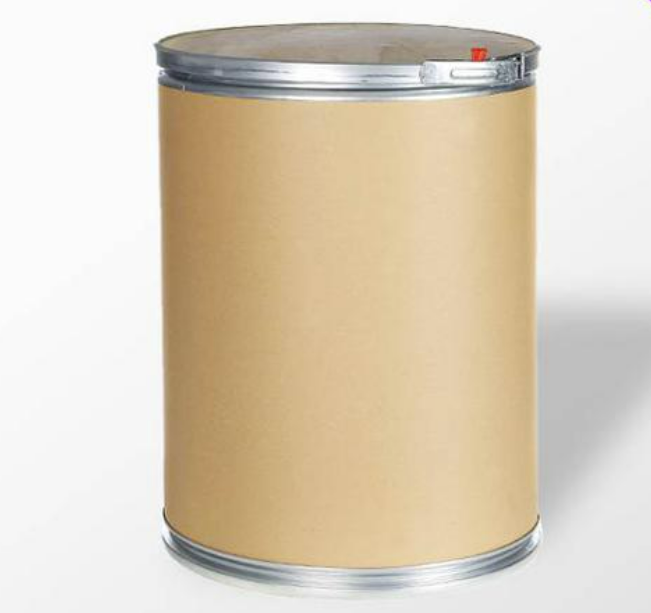
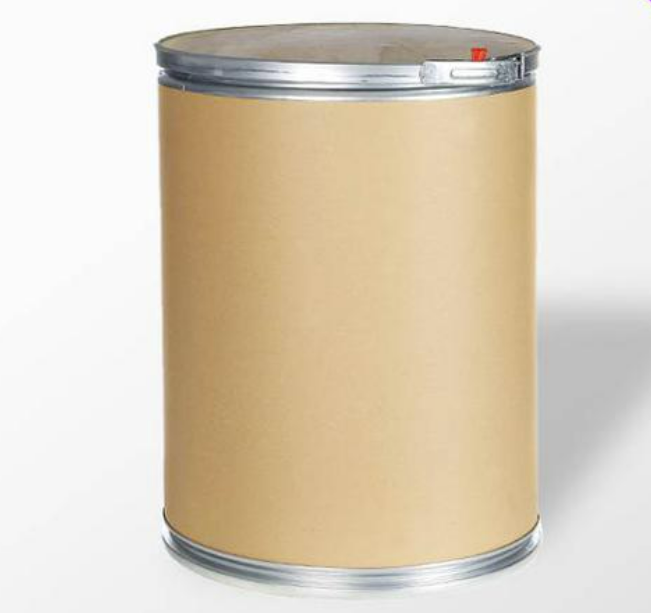
Fibre Drum
CAS:79794-75-5
Molecular Formula:C22H23ClN2O2
Alias
More Information
Ethyl 4-(8-Chloro-5,6-Dihydro-11H-Benzo[5,6]Cyclohepta[1,2-B]Pyridin-11-Ylidene)-1-Piperidinecarboxylate; 4(8-Chloro-5,6-Dihydro-11H-Benzo[5,6]Cyclohepta[1,2-B]Pyridin-11-Ylidene)-1-Piperidinecarboxylate; 4-(8-Chloro-5,6-Dihydro-11H-Benzo[5,6]Cyclohepta[1,2-B]Pyridin-11-Ylidene)-1-Piperidinecarboxylic Acid Ethyl Ester; 1-Piperidinecarboxylic Acid, 4- (8-Chloro-5,6-Dihydro-11H- Benzo[5,6]Cyclohepta[1,2-B] Pyridin-11-Ylidene)-, Ethyl Ester
Brief Introduction
This product is an antihistamine drug with high selectivity for peripheral nerve H1 receptor, strong effect and long time. For allergic arthritis, allergic rhinitis. This product is a national class II antiallergic drug. It is used to relieve nasal and non nasal symptoms of seasonal allergic rhinitis and chronic urticaria.
Suppliers
View More Vendors (3) >

CAS:79902-63-9
Molecular Formula:C25H38O5
Alias
More Information
(1S,3R,7S,8S,8Ar)-1,2,3,7,8,8A-Hexahydro-3,7-Dimethyl-8-[2-[(2R,4R)-Tetrahydro-4-Hydroxy-6-Oxo-2H-Pyran-2-Yl]Ethyl]-1-Naphthalenyl 2,2-Dimethyl-Butanoate; Zocor; Synvinolin; Sinvacor; Denan; Lipex; Lodales; Simvastatine; Cholestat; Colemin; Simovil; Medipo; Pantok; Simvastatina; Simvastatinum
Brief Introduction
This product is a hypolipidemic drug, used for Hypolipidemia.
Suppliers
View More Vendors (3) >
Alias
More Information
Rifaxidin; Xifaxan; Rifacol; Fatroximin; Normix; Rifamixin; 2S-Acetyloxy-5,6,21,23-Tetrahydroxy-27-Methoxy-2,4,11, 16,20,22,24,26-Octamethyl-2,7-(Epoxypentoeleca(1,11,13)Trienimino)Benzofuro[4,5-E]Pyride[1,2-A]Benzimidazole-1,15(2H)-Dione; Ole-1,15(2H)-Dione,25-(Acetyloxy)-5,6,21,23-Tetrahydroxy-27-Methoxy-2,4,11,16; Rifamycinl105; Rifamycinl105Sv; Rifaxamin
Brief Introduction
Rifaximin, a rifamycin derivative, was developed by Alpha Company of Italy. It was listed in Italy as an anti infective diarrhea drug in 1987, and has been widely used abroad since then. It was approved by SFDA in 2004 and has been clinically used in China. Rifamycin is a semi synthetic antibiotic with broad antibacterial spectrum and strong antibacterial effect. It can form a high blood concentration in the intestinal tract. It can inhibit Staphylococcus aureus and Streptococcus faecalis in Gram-positive aerobic bacteria, Salmonella, Shigella, Escherichia coli and Yersinia enterocolitica in Gram-negative aerobic bacteria, Bacteroides in gram positive anaerobes have high antibacterial activity. Its mechanism of action is to inhibit the bacterial polymerase, block the transcription of RNA, and then inhibit the synthesis of bacterial protein, thus reducing the production of ammonia. Its antibacterial effect is characterized by: 1) strong antibacterial force, broad antibacterial spectrum, bactericidal effect on most Gram-positive bacteria and Gram-negative bacteria (including aerobic and anaerobic bacteria), and stronger effect on Gram-positive bacteria than Gram-negative bacteria; 2) It is not absorbed by the gastrointestinal tract and has high concentration in the intestinal tract. It can rapidly play an antibacterial role in the local area by killing intestinal pathogens, and does not need to be combined with the use of intestinal antispasmodics and adsorbents.
Suppliers
View More Vendors (3) >
Inquiry (
10
/ 10
)
Clear All
Sign In
Error!