
Feed Additive
Additives For Food Packaging
Colorant
Stabilizer and Coagulator
Water Retention Agent
Feed Deworming Health Agents
Anti Corrosion and Preservation
Color Fixative
Flour Treatment Agent
Defoamer
Coating Agent
Feed Vitamins
Emulsifier
Other Food Additives
Nutritional Fortifier
Thickening Agent
Feed Quality Enhancer
Antioxidants
Chewing Gum Bases
Bulking Agent
Feed Amino Acids and Small Peptides
Flavor Enhancer
Sweeteners
Additives For Feed Preservation
Other Feed Additives
Food Additive
Bleaching Agents
Anticaking Agent
Food Flavors and Fragrances
Enzyme Preparation
Feed Trace Elements
Acidity Regulators
Feed Growth Promoters
Feed Conditioner
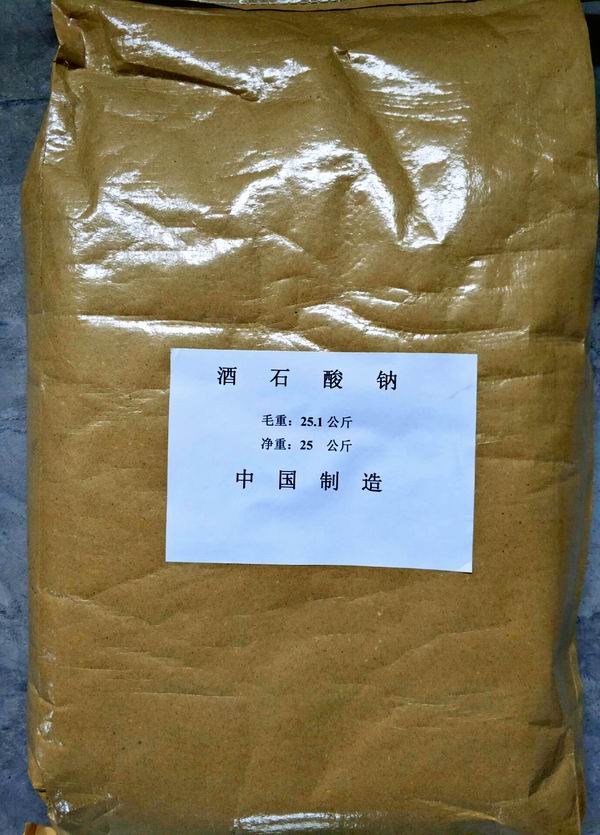
CAS:6106-24-7
Molecular Formula:C4H8Na2O8
Alias
More Information
Disodium,2,3-Dihydroxybutanedioate,Dihydrate; Sodium Tartrate 2 H2O; L(+)-Tartaric Acid, Disodium Salt, Dihydrate; Sodium Tartrate, Dihydrate Bio-Refined; Sodium Tartrate, Dihydrate Reagent; Butanedioic Acid, 2,3-Dihydroxy- (2R,3R)-, Disodium Salt, Dihydrate; Sodium (L-(+)-Tartrate Dihydrate; Sodium L-Tartrate Dibasic Dihydrat; Sodium Tartrate Dihydrate; Sodium Tartrate Dibasic Dihydrate; Sodium L-(+)-Tartrate Dihydrate; Disodium Tartarate Dihydrate; Tartaric Acid Disodium Salt
Brief Introduction
It is used for microanalysis and determination of vanadium, calibration of Karl Fischer reagent, and as masking agent, complexing agent and biochemical reagent.
Suppliers
View More Vendors (2) >
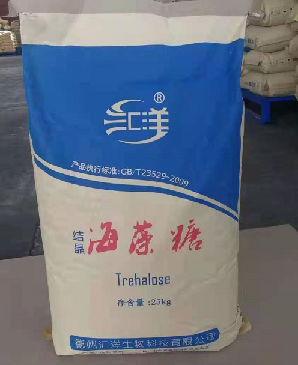
CAS:6138-23-4
Molecular Formula:C12H26O13
Alias
More Information
D-Trehalose; α-D-Glucopyranoside; α-D-Glucopyranosyl, Dihydrate; D-Alpha,Alpha-Trehalose Dihydrate; D(+)-Trehalose; D-(+)-Trehalose Dihydrate; D-Trehalose Dihydrate
Brief Introduction
This product can be used as sweetener, flavor enhancer and moisturizer. Candy trehalose is mixed with most other sweeteners and can be used in candy, fruit juice drinks and herbal products to adjust the sweetness of the product, so as to really maintain the original flavor of the product.
Suppliers
View More Vendors (2) >
CAS:629-96-9
Molecular Formula:C20H42O
Alias
More Information
1-Eicosanol; Eicosanyl Alcohol; Arachidylol; Eicosan-1-Ol; 1-Icosanol; Eicosyl Alcohol; Octyl Dodecanol; Alcohol C20; N-Eicosanol; Eicosanol; Arachidyl Alcohol; Arachyl Alcohol; Arachinalcohol; Arachinyl Alcohol; Arachidic Alcohol
Brief Introduction
Used for synthesizing emulsifiers, surfactants, etc., widely used in the personal care, washing, and health product industries
Suppliers
View More Vendors (2) >
CAS:6381-77-7
Molecular Formula:C6H7NaO6
Alias
More Information
Sodanit; Rat Death Liquid; Penite; Sodium L-Ascorbate; Arsenite,Sodium; Sodium Arsenite; Sodium Metaarsenite; L-Ascorbic Acid Sodium Salt; Prodalumnol Double; Kill-All; Sodium Isoascorbate Monohydrate; Sodium Arsenylate; Sodium Dioxoarsenate; Prodalumnol; 3-Keto-D-Gulofuranolactose; Erbitn; Eribaten; Isoascorbic; Isona; Mercate20; Araboascorbic Acid, Monosodium Salt, D-; Monosodium D-Erythro-Hex-2-Enonic Acid Gamma-Lactone; Sodium;(2R)-2-[(1R)-1,2-Dihydroxyethyl]-4-Hydroxy-5-Oxo-2H-Furan-3-Olate
Brief Introduction
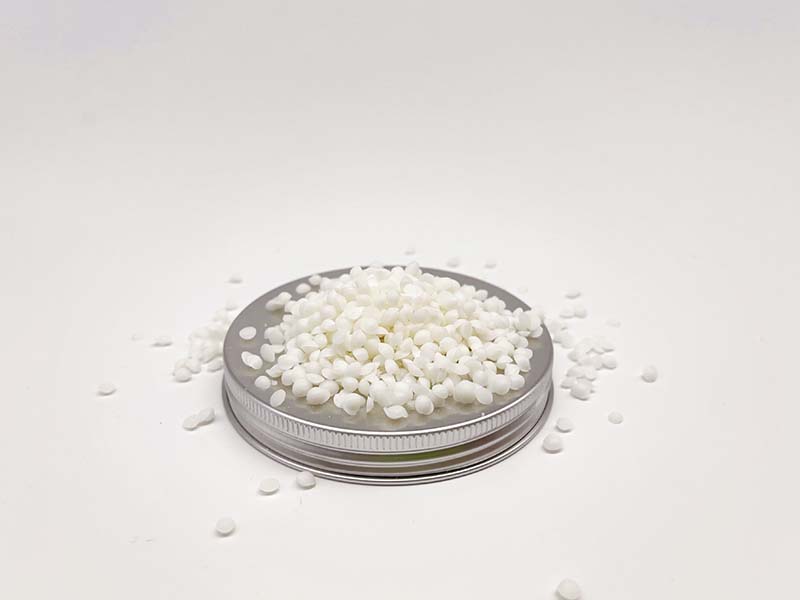
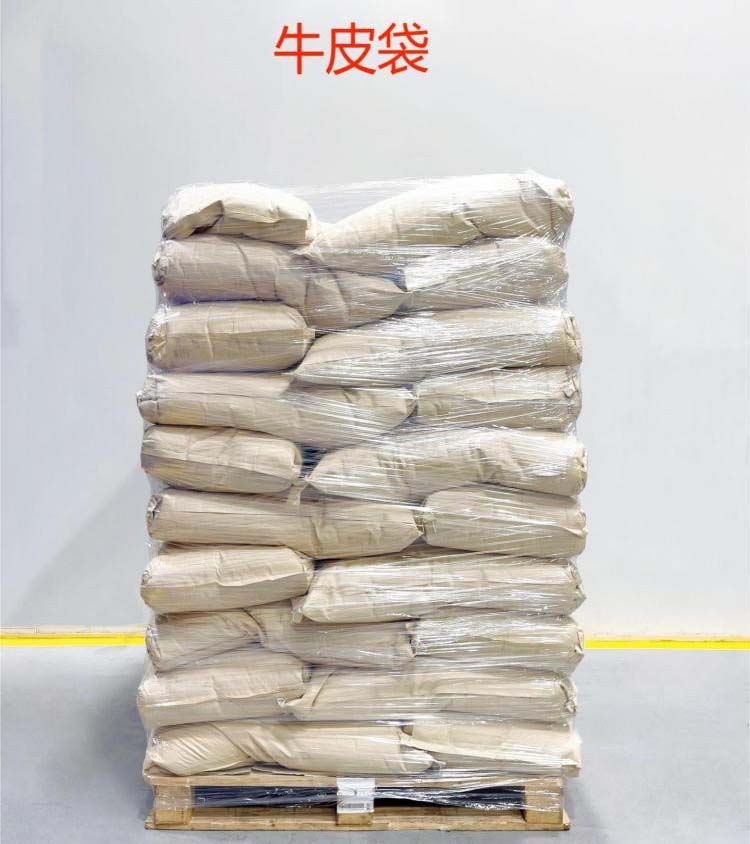
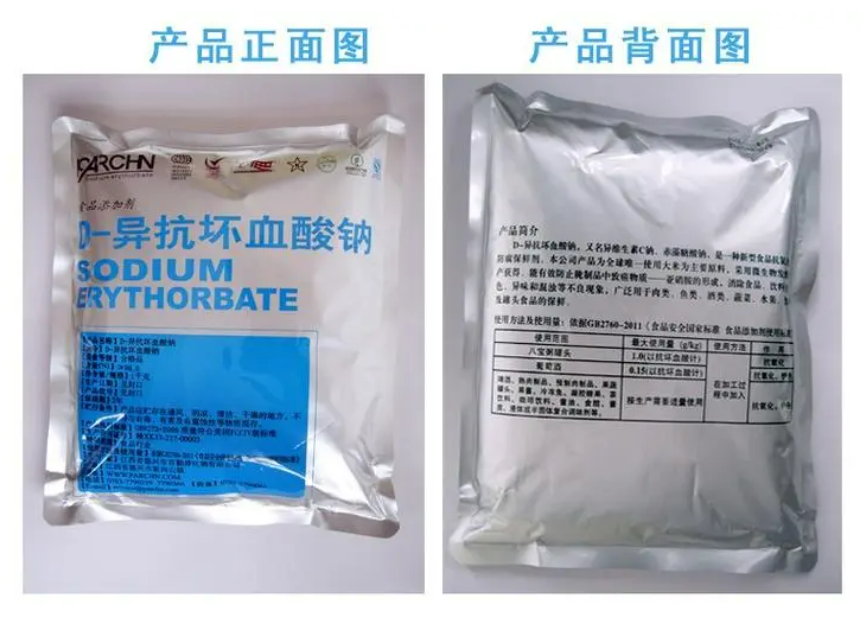
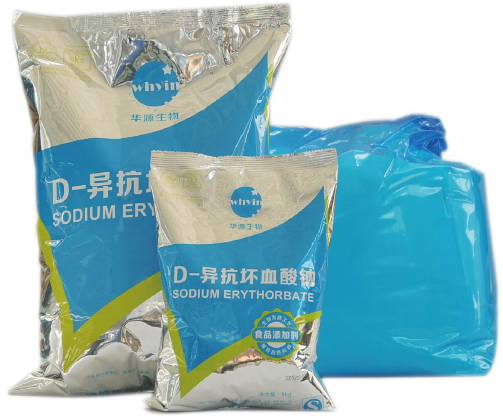
The activity of sodium isoascorbate is only about 1 / 20 of that of ascorbic acid, but it has the same effect on lowering blood pressure, diuresis, hepatic glycogen generation, pigment excretion and detoxification as ascorbic acid. Sodium isoascorbate is mainly used in the food industry, as an antioxidant of food, and is widely used in meat, fish, beer, fruit juice, fruit juice, canned fruits and vegetables, pastries, dairy products, jam, wine, pickles, oils, etc.
Suppliers
View More Vendors (2) >
Alias
More Information
H-D-Val-Oh; D-Val; D-2-Aminoisovaleric Acid; (2R)-2-Amino-3-Methylbutanoic Acid; D-2-Amino-3-Methylbutanoic Acid; Valine, D-; Alpha-Amino-Isovalerianic Acid; (R)-α-Aminoisovaleric Acid, D-2-Amino-3-Methylbutanoic Acid; D-Valine,α-Amino Isovaleric Acid
Brief Introduction
Valine is one of twenty protein amino acids. From a nutritional point of view, valine is also an essential amino acid. Its English name valine is named after valerian, and its Chinese name is also called valine. Its codons are guu, Gua, GUC and GUG. It is a nonpolar amino acid. In sickle cell disease, valine in hemoglobin replaces the hydrophilic amino acid glutamate: because valine is hydrophobic, hemoglobin cannot fold correctly. Valine is completely electrically neutral. When its side chain is also neutral, and the charge generated by its amino and carboxyl groups is just balanced, this molecule is called zwitterion. Food sources rich in valine include white cheese, fish, poultry, cattle, peanuts, sesame seeds and shore beans.
Suppliers
View More Vendors (2) >
Inquiry (
10
/ 10
)
Clear All
Sign In
Error!