
Feed Additive
Additives For Food Packaging
Colorant
Stabilizer and Coagulator
Water Retention Agent
Feed Deworming Health Agents
Anti Corrosion and Preservation
Color Fixative
Flour Treatment Agent
Defoamer
Coating Agent
Feed Vitamins
Emulsifier
Other Food Additives
Nutritional Fortifier
Thickening Agent
Feed Quality Enhancer
Antioxidants
Chewing Gum Bases
Bulking Agent
Feed Amino Acids and Small Peptides
Flavor Enhancer
Sweeteners
Additives For Feed Preservation
Other Feed Additives
Food Additive
Bleaching Agents
Anticaking Agent
Food Flavors and Fragrances
Enzyme Preparation
Feed Trace Elements
Acidity Regulators
Feed Growth Promoters
Feed Conditioner
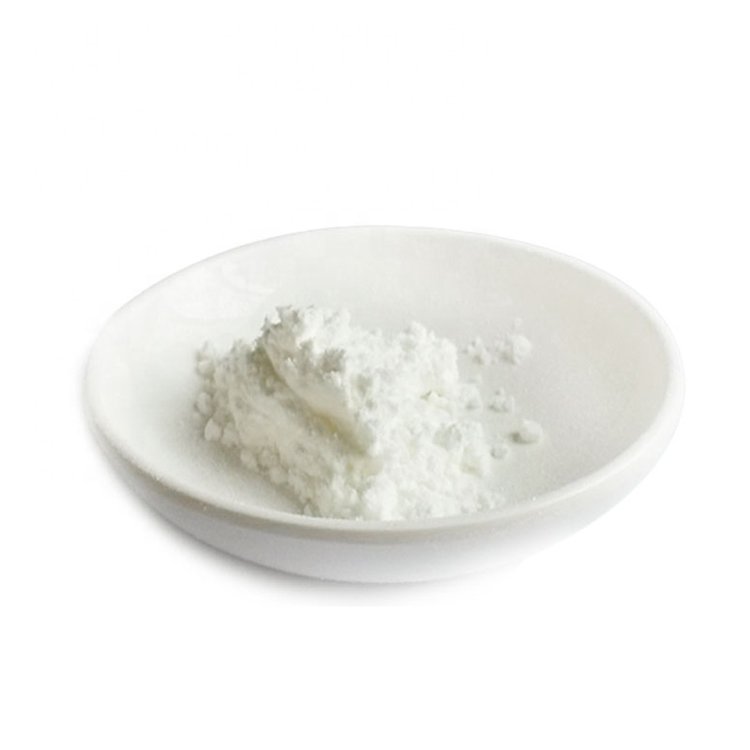
CAS:9002-18-0
Molecular Formula:C14H24O9
Alias
More Information
(2R,3S,4S,5R)-2-(Hydroxymethyl)-6-[[(4R,5S)-4-Hydroxy-3-Methyl-2,6-Dioxabicyclo[3.2.1]Octan-8-yl]oxy]-4-Methoxyoxane-3,5-diol; Agar agar; Agar,Powder; Agar-agar
Brief Introduction
Han Tian (Han Tian Fen) has been widely accepted and loved by people since Nara period in Japan. By the time of peace, it has been widely eaten as a cuisine. In the Edo period, people put the surplus foreign flour into the cold outdoors. After freezing, the chemical book became dry goods. It is said that this is the origin of cold weather. After trying to cook, the unique smell of the flour disappeared and became a transparent solid. Because it is rich in food fiber, it is also loved by people as a weight-loss and healthy food.
Suppliers
View More Vendors (3) >
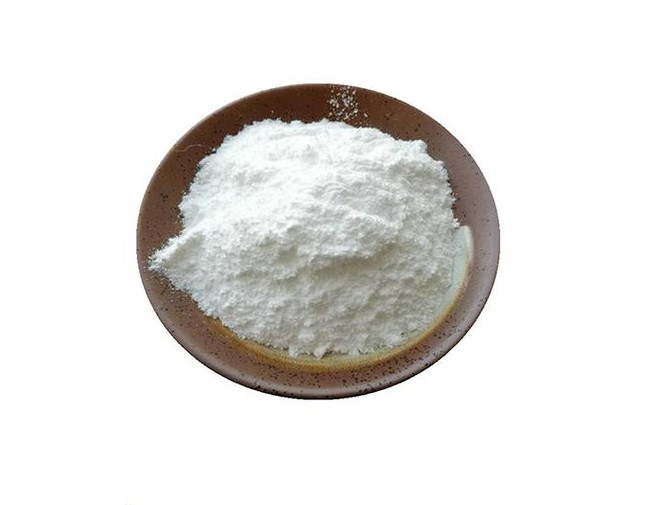
CAS:9004-61-9
Molecular Formula:C28H44N2O23
Alias
More Information
Hyaluronic Acid Sodium Salt
Brief Introduction
Hyaluronic acid is an acidic mucopolysaccharide. With its unique molecular structure and physicochemical properties, hyaluronic acid shows a variety of important physiological functions in the body, such as lubricating joints, regulating the permeability of vascular wall, regulating protein, water and electricity, chemical Book solute diffusion and operation, promoting wound healing and so on. Especially important, hyaluronic acid has a special water retention effect. It is the best moisturizing substance found in nature. It is called an ideal natural moisturizing factor.
Suppliers
View More Vendors (3) >
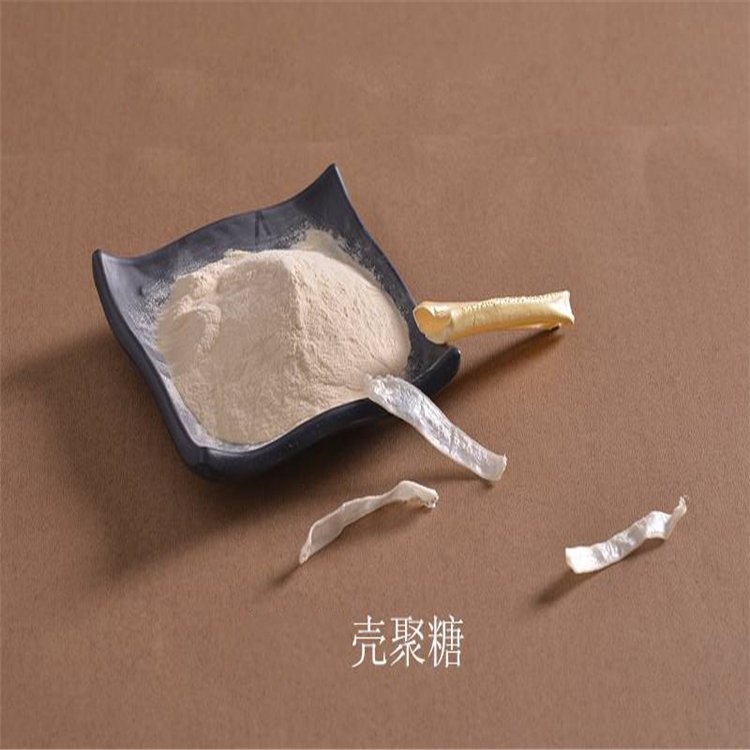
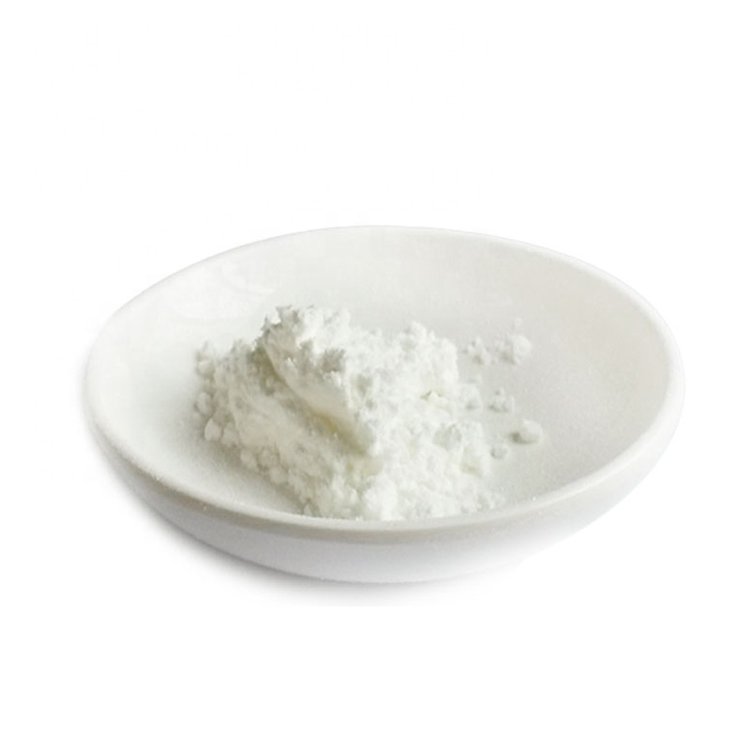
CAS:9012-76-4
Molecular Formula:C6H11NO4X2
Alias
More Information
Poly(Beta-(1,4)-D-Glucosamine); Poly(Beta-(1,4)-2-Amino-2-Deoxy-D-Glucose)
Brief Introduction
It can be used as thickener, stabilizer, gelling agent and binder.
It is mainly used in food, medicine, agricultural seed, daily chemical industry, industrial wastewater treatment and other industries.
Suppliers
View More Vendors (3) >
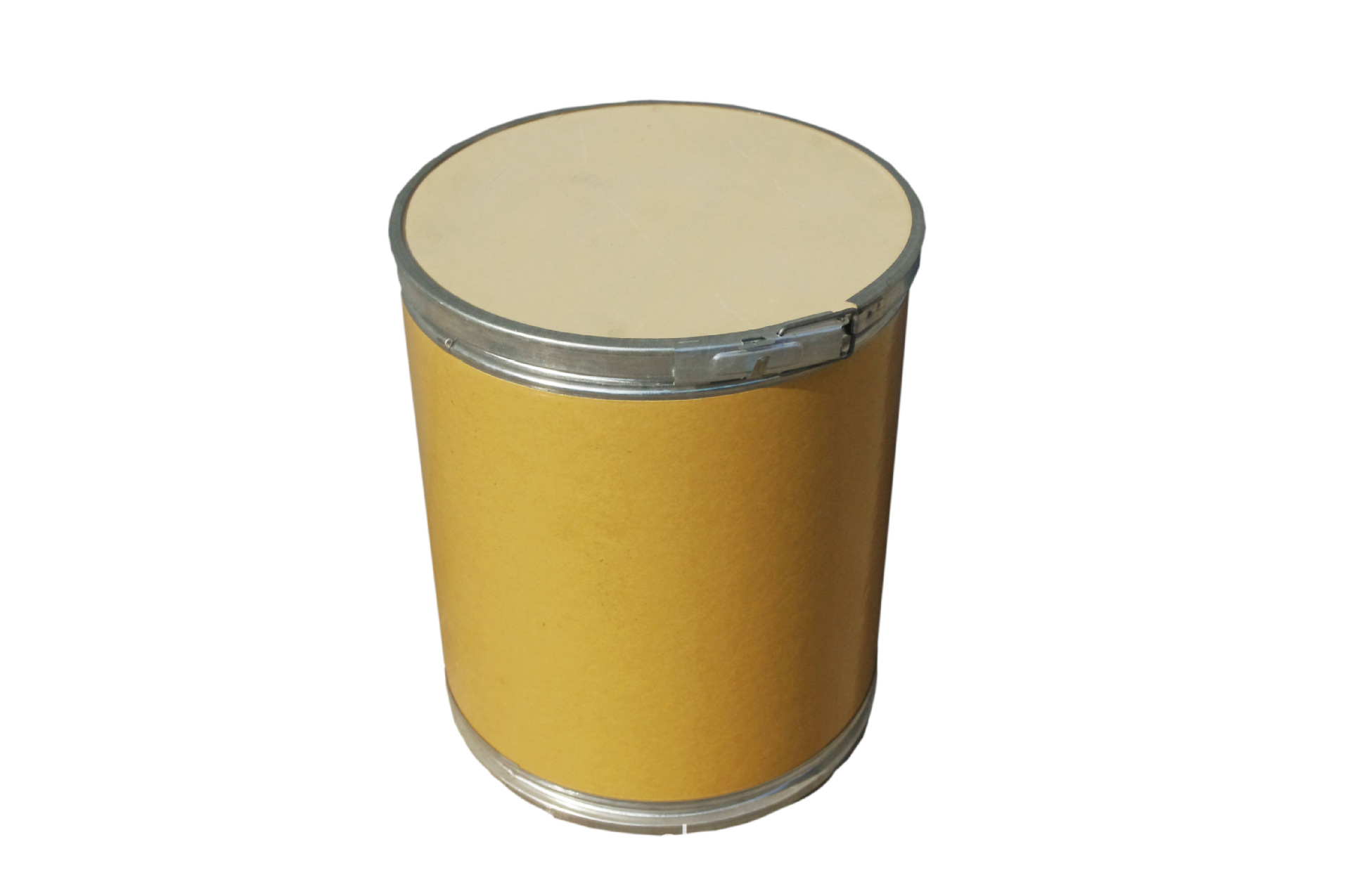
CAS:94-13-3
Molecular Formula:C10H12O3
Alias
More Information
Propyl 4-Hydroxybenzoate; 4-Hydroxybenzoic Acid Propyl Ester; 4-Hydroxybenzoic Acid N-Propyl Ester; Propyl Paraben; N-Propyl P-Hydroxybenzoate Sigmaultra; Propyl P-Hydroxybenzoate; N-Propyl 4-Hydroxybenzoate; Nipasol; Nipazol; Propyl Parahydroxybenzoate; Propyl Butex; Betacide P; Propylparasept; N-Propyl P-Hydroxybenzoate; Propyl Parasept
Brief Introduction
Propyl Paraben is mainly used as a bactericidal preservative in food, cosmetics and medicine, and also as a feed preservative.
Suppliers
View More Vendors (3) >
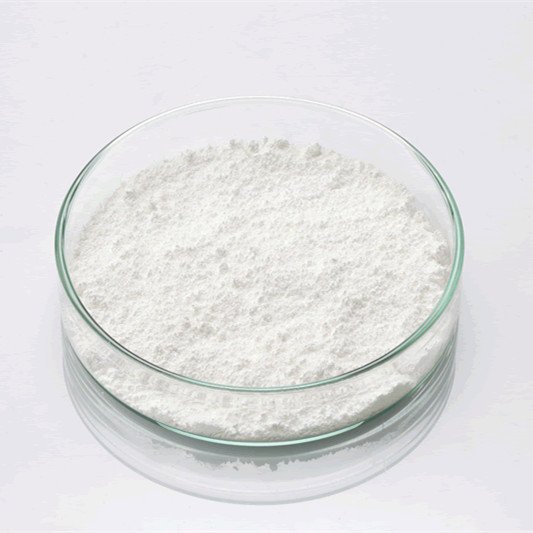
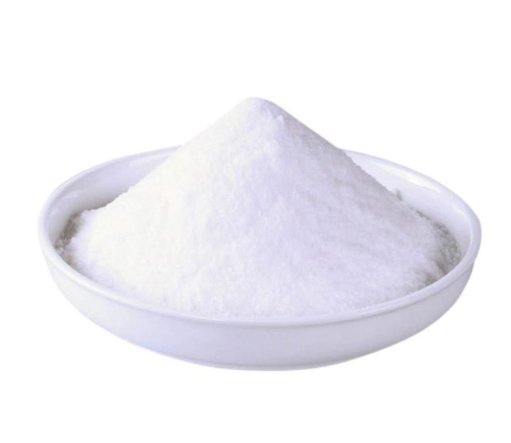
CAS:97-67-6
Molecular Formula:C4H6O5
Alias
More Information
Butanedioic Acid, Hydroxy-, (S)-; (S)-2-Hydroxysuccinic Acid; L(-)-Malic Acid; L-Malic acid; Apple acid; L-Apple acid; L-Hydroxysuccinic acid
Brief Introduction
The naturally occuring isomer is the L-form which has been found in apples and many other fruits and plants. Selective α-amino protecting reagent for amino acid derivatives. Versatile synthon for the preparation of chiral compounds including κ-opioid receptor agonists, 1α,25-dihydroxyvitamin D3 analogue, and phoslactomycin B.
Suppliers
View More Vendors (3) >
Inquiry (
10
/ 10
)
Clear All
Sign In
Error!