
CAS:2867-47-2
Molecular Formula:C8H15NO2
Alias
More Information
Dmaema; Dimethylaminoethyl Methacrylate; N,N-Dimethyl-2-Aminoethyl Methacrylate; N,N-Dimethylaminoethyl Methacrylate; Methacrylic Acid 2-(Dimethylamino)Ethyl Ester; 2-Dimethylaminomethacrylate; 2-(N,N-Dimethylamino)-Ethyl Methacrylate; DM; DMAM; Madam
Brief Introduction
Dimethylaminoethyl methacrylate has reactive amino group and polymerizable vinyl group, which can increase adhesion and thermosetting property. Due to the role of ionic bond, it can improve crosslinking property and coloring property of dyes and pigments. It can be used to prepare thermosetting coatings, antistatic agents, dyeing auxiliaries, lubricating oil additives, adhesives, leather processing agents, combustion aids, etc.
Suppliers
View More Vendors (3) >
Qingdao Renas Polymer Material Co.,Ltd.
≥99.5%
/
Tech Grade
190kg
/
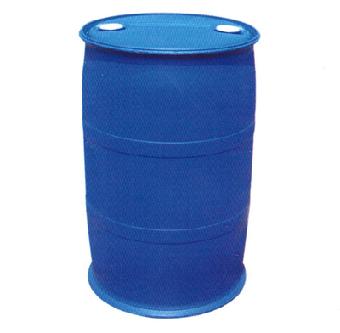
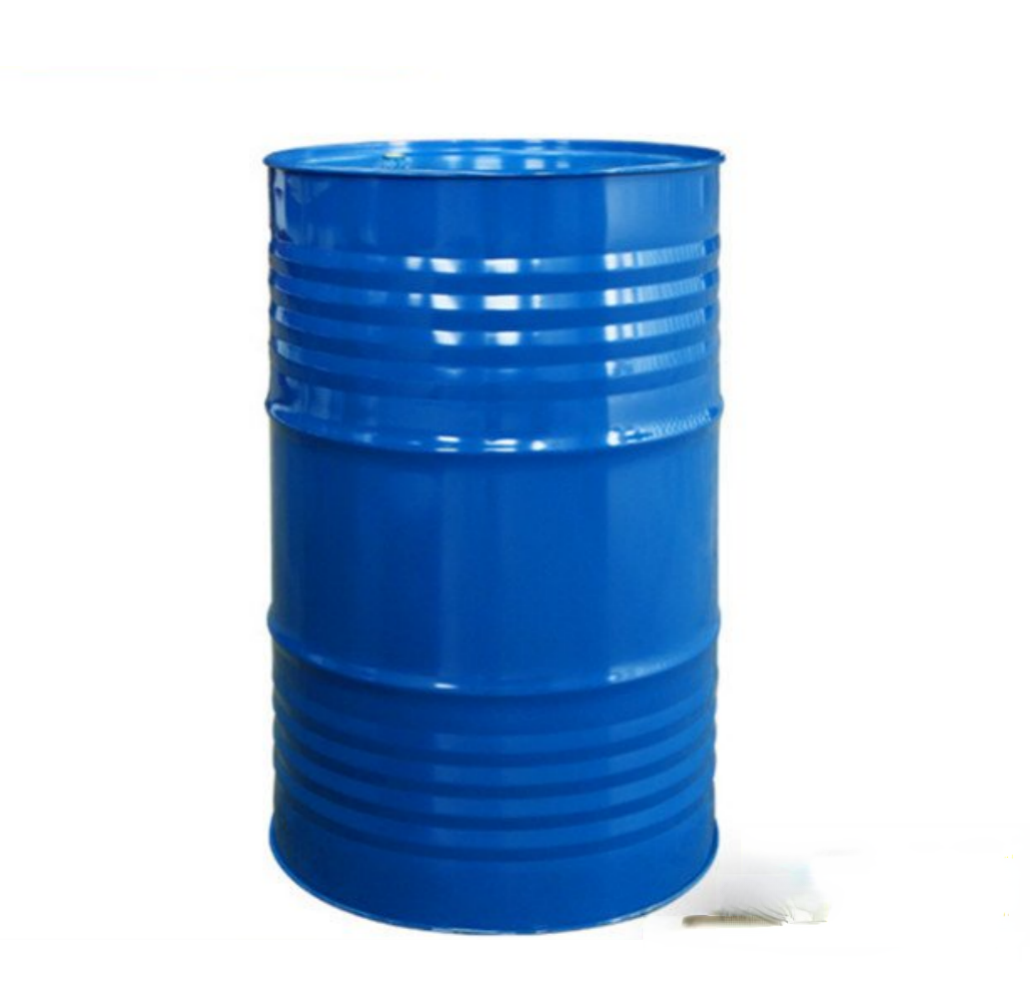
Plastic Drum
CAS:4292-10-8
Molecular Formula:C19H40N2O4
Alias
More Information
Cocamidopropyl Betaine; (Carboxymethyl)Dimethyl-3-[(1-Oxododecyl)Amino]Propylammonium Hydroxide; Cocoamidopropyl Betaine; Amphosol Lb; Obazoline Lab; Rikabion B 300; Amphoteric L; Softazoline Lpb; Anpholex Lb 2; Amphitol 20Ab; Dehyton L 12; Obazoline Cab; Lauroylamide Propylbetaine; Rewoteric Amb 12; N,N-Dimethyl-N-Dodecanoylaminopropylbetaine; Dimethyl(Lauramidopropyl)Betaine
Brief Introduction
Oleamidopropyl betaine is a new kind of special amphoteric surfactant. It belongs to the same series as lauramidopropyl betaine. They are all modified derivatives of alkyl betaine. Oleamidopropyl betaine has the characteristics of temperature resistance, acid and alkali resistance, salt resistance, wide isoelectric point and strong viscoelasticity. It is widely used in oil displacement, leather, daily chemical industry and other fields. As a good viscoelastic surfactant, it can effectively reduce the oil / water interfacial tension and improve the tertiary oil recovery when applied to the matrix acidizing of oilfield. In addition, it can be used as conditioner, wetting agent, bactericide, antistatic agent, emulsifier, thickener, and in the self diverting acid system of hydrochloric acid carbonation.
Suppliers
View More Vendors (3) >
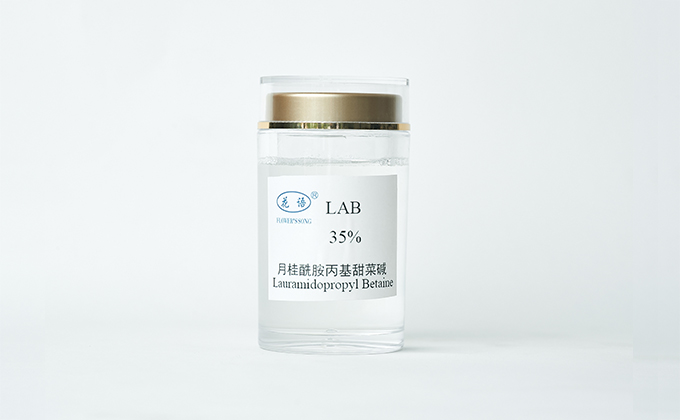
Solid content: 35 ± 2%; 40±2%
/
Tech Grade
200kg
/
Plastic Drum
CAS:4432-31-9
Molecular Formula:C6H13NO4S
Alias
More Information
4-Morpholinoethanesulfonic Acid; Mes Free Acid Molecular Biology; MES; Mes Free Acid Hydrate; Mes Free Acid Plant Cell Culture Tested; 2-(4-Morpholino)Ethanesulphonic Acid; Sodium Fatty acid Methyl Ester Sulfonate; ES Hydrat; 2-Morpholinoethanesulfonic acid; MES Anhydrous; MES,Ultrapure; mes Solution; MOPS Solution; Morpholino Ethane Sulfonic acid; MES Hydrate; Surfactant MES; 2-(N-Morpholino)Ethanesulfonic acid,4-Morpholineethanesulfonic acid; 4-Morpholineethanesulfonic acid; MES, free acid
Brief Introduction
This product is used as calcium soap dispersant in soap and toilet soap. It can replace sodium tripolyphosphate as low phosphorus or non phosphorus detergent. It can also be used as active substance in liquid washing. It is used as medium bubble mineral flotation agent in industry. In leather degreasing, it is used as dispersant and wetting agent in dyes, pigments and pesticides. In the printing industry as deinking agent.
Suppliers
View More Vendors (3) >
Alias
More Information
4-Hydroxyphenyl-Beta-D-Glucopyranoside; Arbutoside; B-D-Glucopyranoside, 4-Hydroxyphenyl; Hydroquinone-Beta-D-Glucopyranoside; Hydroquinone-Beta-D-Glucoside; P-Arbutin; Ursin; Beta Arbutin; Uvasol; 4-Hydroxyphenyl-Beta-D-Glucopyranosid; Beta-Arbutin
Brief Introduction
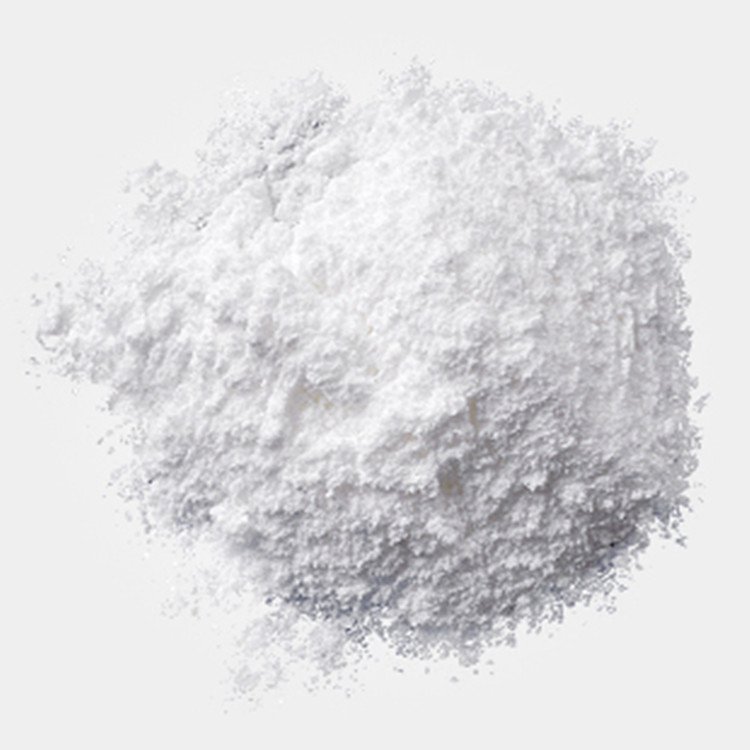
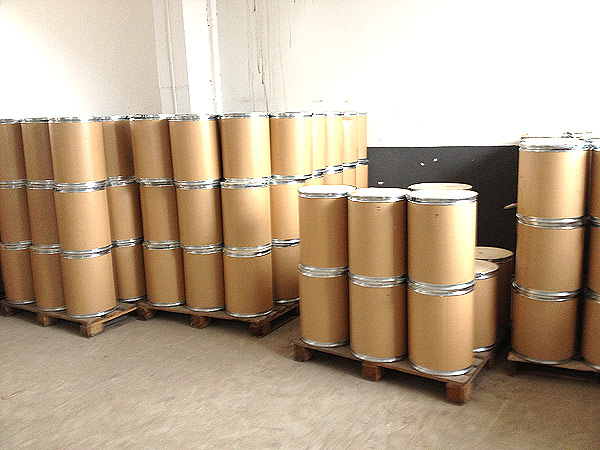
This product is used as diuretic, anti infective drug of urinary system in medicine, as developing stabilizer of color photography, as whitening, freckle removing and hair care in cosmetics.
Suppliers
View More Vendors (3) >
广州顺彤医药科技有限公司
Ferment
/
-
Alias
More Information
5-Benzodioxolol; 3,4-(Methylenedioxy)Phenol; 5-Hydroxy-1,3-Benzodioxolane; 1,3-Benzodioxol-5-Ol; 4,5-Methylenedioxyphenol; 3,4-Methylenedioxyphenol; 5-Hydroxy-1,3-Benzodioxole; 1-Hydroxy-3,4-Methylenedioxybenzene; 4-Hydroxy-1,2-Methylenedioxy-Benzene; Methylene Ether Of Oxyhydroquinone; 4-Hydroxy-1,2-Methylenedioxybenzene; Nsc 59256; 1,2,4-Benzenetriol Methylene Ether; 1,3-Benzodioxol-5-Ol, 9Ci; 3,4-(Methylenedioxy)-Pheno
Brief Introduction
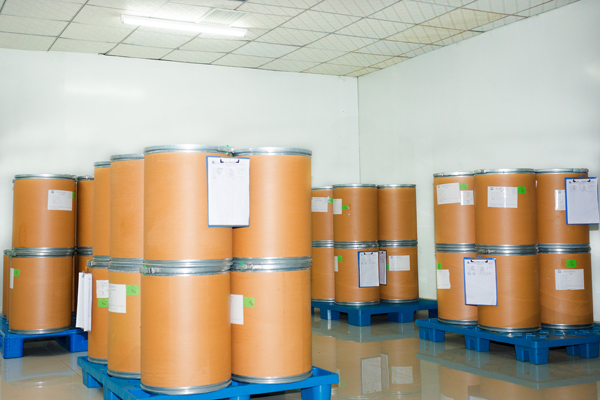
Sesame phenol is naturally found in sesame oil, and its content is very small. The product is aromatic phenols, and can interact with acids, aldehydes, alcohols and other compounds to form ester and ether derivatives. It is widely used in the preparation of mould and antibacterial agents, anti-cancer, antihypertensive drugs, hair conditioner for high-grade shampoo, etc. it is an expensive chemical and pharmaceutical intermediate raw material, and has a good development and utilization value and application prospect. It is also an important intermediate in the synthesis of anticancer drugs and pesticide synergists, and also as the intermediate of antihypertensive and cerebrovascular disease drugs.
Suppliers
View More Vendors (3) >
Inquiry (
10
/ 10
)
Clear All
Sign In
Error!