
Antioxidant
Other Auxiliary Agent
Petroleum Additives
Adsorbent
Water Treatment Chemicals
Rubber Additives
Adhesive Additives
Cross-Linking Agent
Flame Retardants
UV Absorbers
Organic Extractant
Resin Additives
Electronics Chemicals
Pesticide Additives
Building Chemicals
Plastic Additives
Oilfield Chemicals
Adhesive
Plastic Rubber Chemicals
Paper Additives
Molecular Sieve
Coating Additives
Textile Auxiliaries
Fluorescent Brightener
Polyethylene Glycol Derivatives
Coupling
Forest Chemicals
Leather Auxiliary Agents
Beneficiation Agents and Smelting Additives
Dye Auxiliaries
CAS:24937-78-8
Molecular Formula:C6H10O2
Alias
More Information
Eva; Injecatable Eva Copolymer; Eva Copolyme; Eva 1802; Vinylacetate,Ethenepolymer; Ethylene-Vinyl Acetate Latex; Vae; Pevac; Ethylene Vinyl Acetate; Ethylene/Va Copolymer; Acetic Acid Ethenyl Ester, Polymer With Ethene, Oxidized; Ethylene/Vinyl Acetate Copolymer; EVA18%; Ethylene Vinyl Acetate Copolymer
Brief Introduction
Ethylene vinyl acetate copolymer (EVA) is obtained by copolymerization of ethylene and vinyl acetate in different proportions. E in the English abbreviation EVA stands for ethylene component, and VA stands for vinyl acetate component. Its performance is closely related to the content of vinyl acetate (VA). According to the different VA content, it can be divided into three categories: EVA plastic with VA content of 5% - 40%, which is mainly used for polyethylene modification Manufacturing wires and cables, film poles, other molded products and mixtures, etc; VA content of 40% - 90% is called EVA rubber, which is mainly used for rubber, cable and automotive industrial parts; VA content above 90% is called polyvinyl acetate emulsion, which is mainly used for adhesives and coatings.
Suppliers
View More Vendors (3) >
Ningbo Wanhong Ruiquan Technology Co.,Ltd.
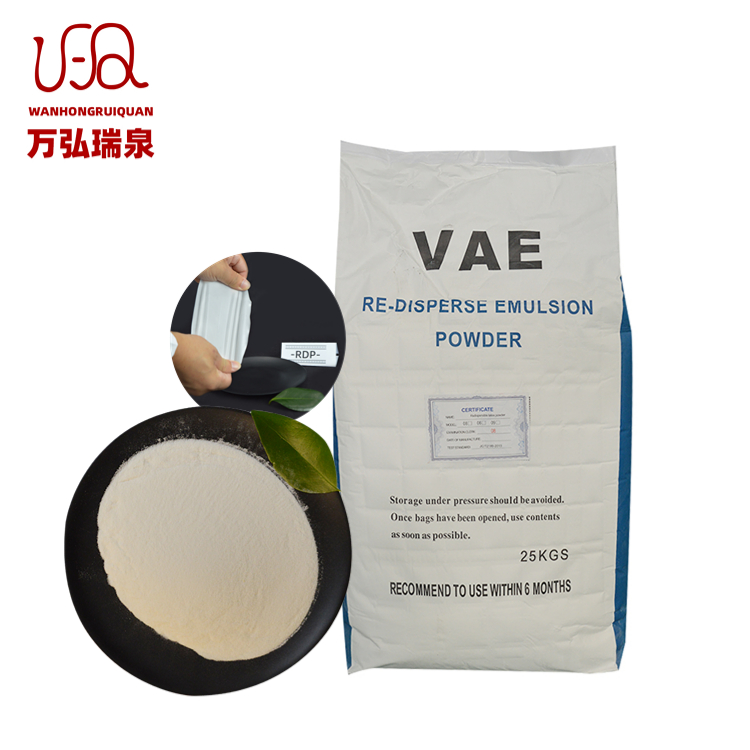
Molecular Formula:(C2H4)x.(C4H6O2)y
/
Tech Grade
25kg
/
Woven Bag
Henan Xinbaoneng Sci&Tech Development Co.,Ltd.
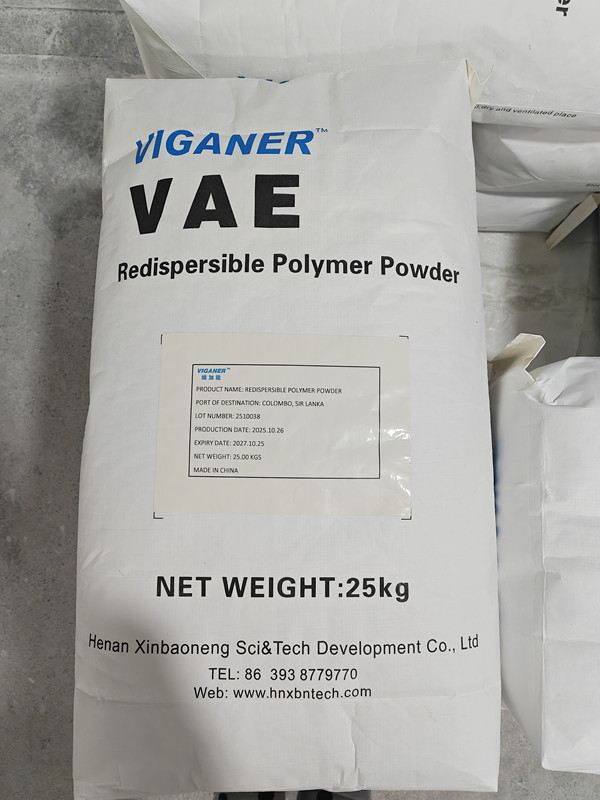
BN-5044
/
-
CAS:25265-77-4
Molecular Formula:C12H24O3
Alias
More Information
Texanol; Alcohol Ester 12; RTC-12; C-12 Alcohol Ester; CS-12; 2,2,4-Trimethyl-1,3-Pentanediol Monoisobutyrate; Isobutyric Acid 3-Hydroxy-2,2,4-Trimethylpentyl Ester; 3-Hydroxy-2,2,4-Trimethylpentyl Isobutyrate; 2,2,4-Trimethyl-1,3-Pentanediol 1-Monoisobutyrate; 1-Isobutyrate; 3-Pentanediol,2,2,4-Trimethyl-Monoisobutyrate; Chissocizercs12; 2.2.4-Trimethyl-1.3-Pentanediol-Isobutyrate
Brief Introduction
It can also be used as flotation agent of gold, coal, plasticizer, etc.
Suppliers
View More Vendors (3) >
CAS:25561-30-2
Molecular Formula:C8H18F3NOSi2
Alias
More Information
N,O-Bis-Tms-Trifluoroacetamide; Bis(Trimethylsilyl)Trifluoroacetamide; 8 Reaction Vial,Capacity; Bis(Trimethylsilyl); N,O-Bstfa; Regisil(R) Rc-1; Bstfa Kit; Bstfa; Regisil Rc-3; Regisil Rc-2; Regisil Rc-1; Bstfa + Tmcs; N,O-Bis(Trimethylsily)Trifluoroamide; N,O-Bis(Trimethylsilyl)Acetamide; Tmcs; Acetamide, 2,2,2-Trifluoro-O,N-Bis(Trimethylsilyl)-; Ethanimidic Acid, 2,2,2-Trifluoro-N-(Trimethylsilyl)-, Trimethylsilyl Ester; Bstfa- (N,O-Bis (Trimethylsilyl) Trifluroacetamide) - B0830- TCI Japan -; N,O-Bis (Trimethylsilyl) Trifluroacetamide
Brief Introduction
N,O-bis(trimethylsilyl)trifluoroacetamide is an important pharmaceutical intermediate, which can reduce the polarity of hydroxyl compounds, increase their volatility and make samples more suitable for GC analysis. It is mainly used as neutral silylation reagent in the silylation protection of amino acids, amino acids, phenols, carboxylic acids and enols. As a mild neutral silylation reagent, it not only has high activity and selectivity, but also has the advantages of high yield and simple post-treatment.
Suppliers
View More Vendors (3) >
Jiangxi Wisdom Pharmaceutical Co.,Ltd.
-
Pharm Grade
CAS:26016-98-8
Molecular Formula:C3H5CaO4P
Alias
More Information
Phosphomycin Calcium; 1,2-Epoxypropyl)-,Calciumsalt(1:1),(1R,2S)-(-)-Phosphonicaci; (3-Methyloxiranyl)-,Calciumsalt(1:1),(2R-Cis)-Phosphonicaci; Calciumfosfomycin; Calciumphosphomycin; Calciumphosphonomycin; Fosmicin; Phosphomycin Calcium Salt; Fosfomycin Calcium Monohydrate
Brief Introduction
Fosfomycin calcium is mainly used for colibacillosis, salmonellosis, Klebsiella disease, head swelling syndrome, Staphylococcus and Streptococcosis, omphalitis, osteomyelitis, encephalitis of poultry and pigs, as well as the infection caused by Pasteurella, Vibrio, Streptococcus and other gram-negative bacteria in fish and shrimp.
Suppliers
View More Vendors (3) >
CAS:26471-62-5
Molecular Formula:C9H6N2O2
Alias
More Information
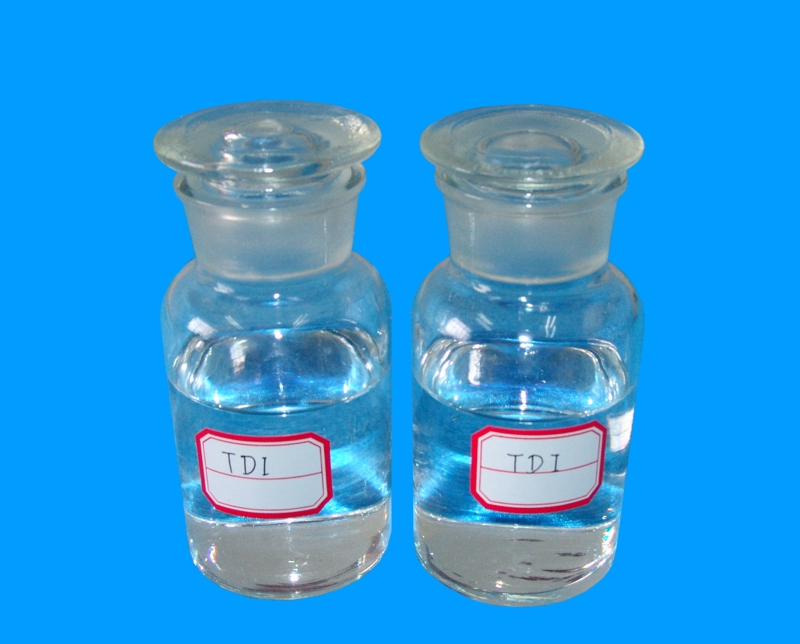
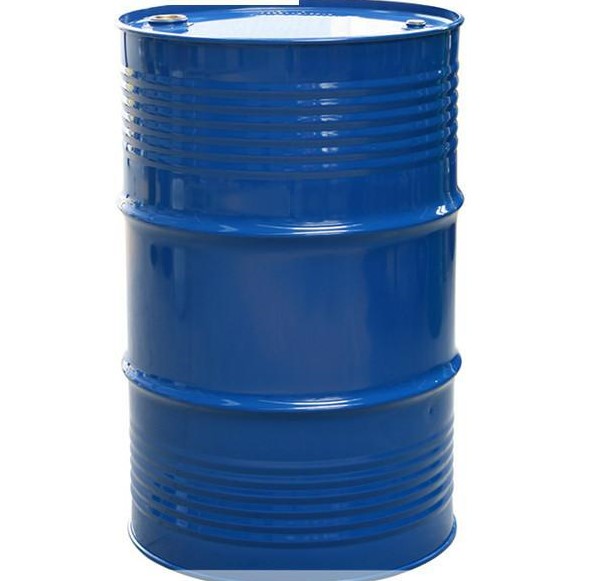
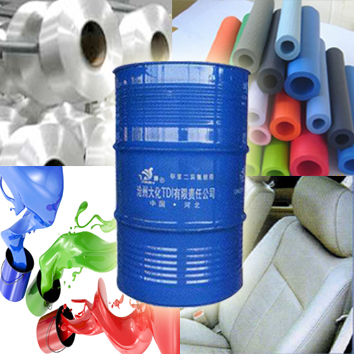
Methylphenylene Isocyanate; Tolylene Isocyanate; TDI; Benzene, 1,3-Diisocyanatomethyl-; Isocyanic Acid, Methyl-M-Phenylene Ester; 1,3-Diisocyanatomethylbenzene; Diisocyanatotoluene; Isocyanic Acid, Methylphenylene Ester; TDI 80/20; 2,4-TDI and 2,6-TDI 80%/20% Mixture; 2,4-TDI and 2,6-TDI 65%/35% Mixture; Toluene Diisocyanate (TDI); TDI-80/20
Brief Introduction
Toluene Diisocyanate is a synthetic mixture of the 2,4- and 2,6-isomers is a volatile, colorless to pale yellow liquid that is soluble in many organic solvents. These isomers are used primarily in the synthesis of polyurethane foams. When heated to decomposition, toluene diisocyanate emits toxic fumes of cyanides and nitrogen oxides. Exposure of humans to toluene diisocyanate causes tissue irritation, especially to the mucous membranes, and can produce severe respiratory problems. These isomers are reasonably anticipated to be human carcinogens.
Suppliers
View More Vendors (3) >
Inquiry (
10
/ 10
)
Clear All
Sign In
Error!