
Antioxidant
Other Auxiliary Agent
Petroleum Additives
Adsorbent
Water Treatment Chemicals
Rubber Additives
Adhesive Additives
Cross-Linking Agent
Flame Retardants
UV Absorbers
Organic Extractant
Resin Additives
Electronics Chemicals
Pesticide Additives
Building Chemicals
Plastic Additives
Oilfield Chemicals
Adhesive
Plastic Rubber Chemicals
Paper Additives
Molecular Sieve
Coating Additives
Textile Auxiliaries
Fluorescent Brightener
Polyethylene Glycol Derivatives
Coupling
Forest Chemicals
Leather Auxiliary Agents
Beneficiation Agents and Smelting Additives
Dye Auxiliaries
CAS:15827-60-8
Molecular Formula:C9H28N3O15P5
Alias
More Information
Dtpmp; Diethylenetriaminepenta(Methylene-Phosphonic Acid); Dtpmpa; Diethylenetriaminepentakis(Methylphos-Phonic Acid) Sol.; Phosphonic Acid, [[(Phosphonomethyl)Imino]Bis[2,1-Ethanediylnitrilobis(Methylene)]]Tetrakis-; [[(Phosphonomethyl)Imino]Bis[Ethane-2,1-Diylnitrilobis(Methylene)]]Tetrakisphosphonic Acid; Diethylene Triamine Pentamethylene Phosphonic Acid; Diethylene Triamine Penta (Methylene Phosphonic Acid)
Brief Introduction
This product is used as raw material for the synthesis of antibiotics in medicine, herbicides in pesticide industry and organic chlorides. It is suitable for alkaline circulating cooling water as scale and corrosion inhibitor without adjusting pH value, and can be used for oilfield water injection and cooling water with high barium carbonate content.
Suppliers
View More Vendors (3) >
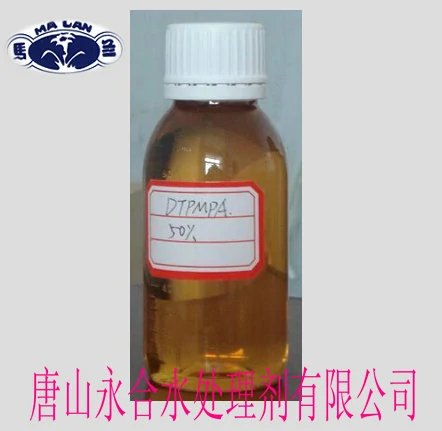
Active component ≥ 50%
/
Tech Grade
30kg
/
Plastic Drum
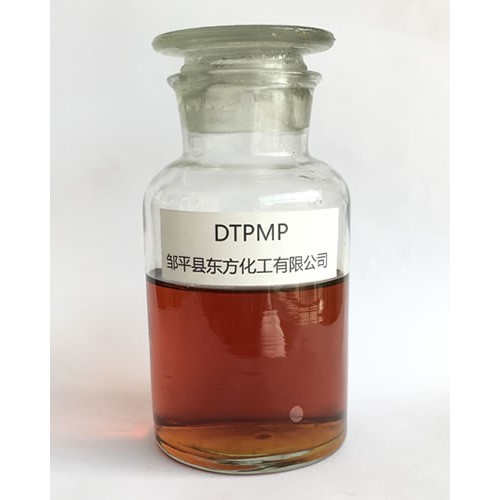
Shandong Changlian Fine Chemical Co.,Ltd.
50.0
/
Tech Grade
30kg
/
Plastic Drum
CAS:19372-44-2
Molecular Formula:C10H14CaO4
Alias
More Information
Calcium 2,4-Pentanedionate Dihydrate; Acetylacetone, Calcium Derivative; Acetylacetone Calcium(II) SALT; Bis(2,4-Pentanedionato)Calcium; Bis(2,4-Pentanedionato)Calcium(2); Bis(2,4-Pentanedionato)Calcium(Ii); CAA; 2,4-Pentanedione,ion (1-), Calcium; Calcium, bis (2,4-Pentanedionato-o,o’); bis (Pentane-2,4-Dionato) Calcium; Calcium 2,4-Pentanedionate Hydrate; Calcium Acetylacetonate, Wacker Quality; Calcium 2,4-Pentanedionate 2-Hydrate
Brief Introduction
Calcium acetylacetonate can be used as an additive. It is the most commonly used heat stabilizer in the formulation of halogenated polymers, especially polyvinyl chloride. It is also used as a catalyst. It can also be used as resin crosslinking agent, resin hardening accelerator, resin and rubber additives, super conductive film, hot wire reflective glass film, transparent conductive film forming agent, etc. it is an environmental protection product instead of lead containing additives.
Suppliers
View More Vendors (3) >
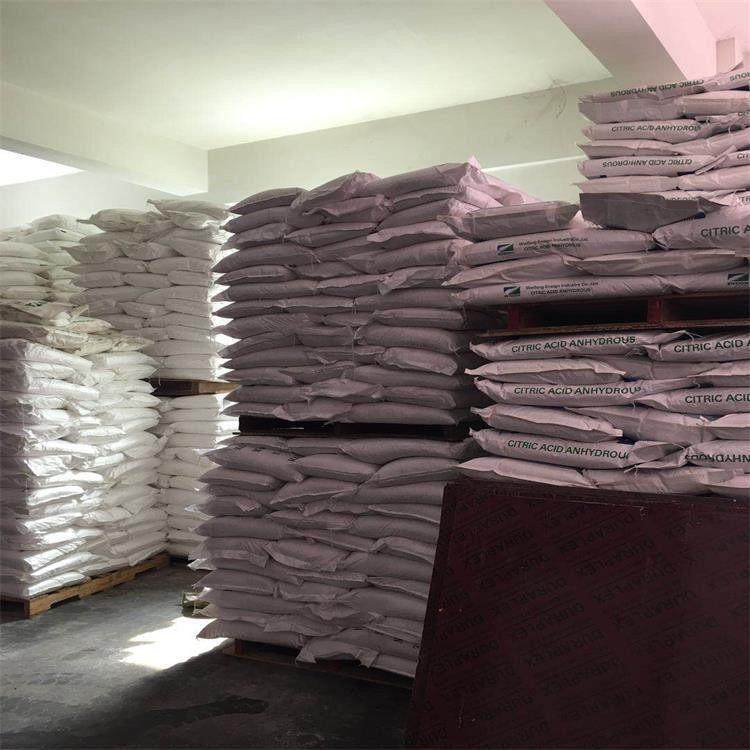
Calcium content 16.6-17.5%; Loss on drying ≤ 1.5%
/
Tech Grade
20kg
/
Woven Bag
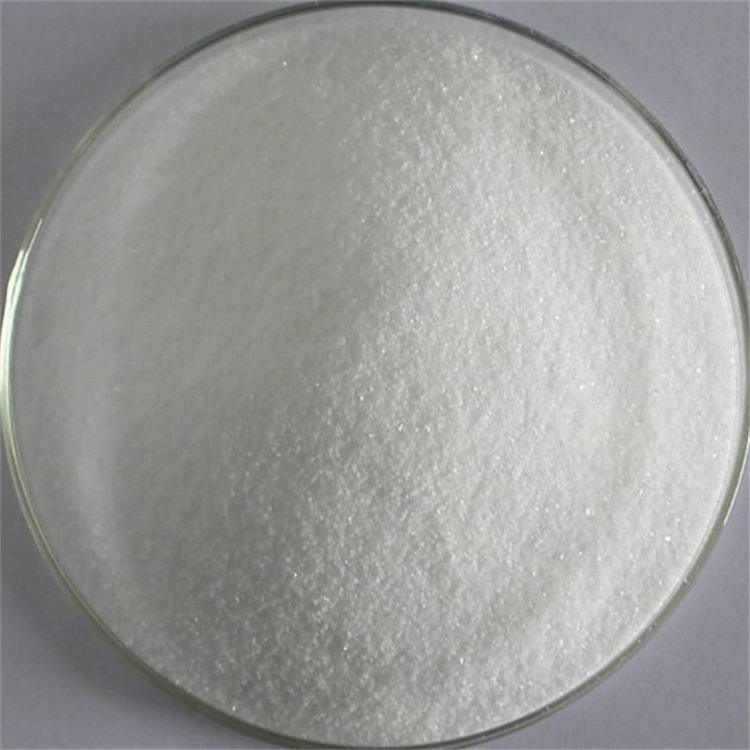
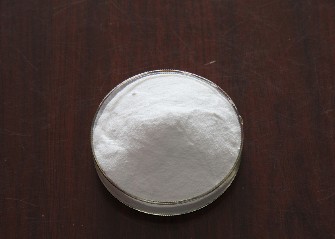
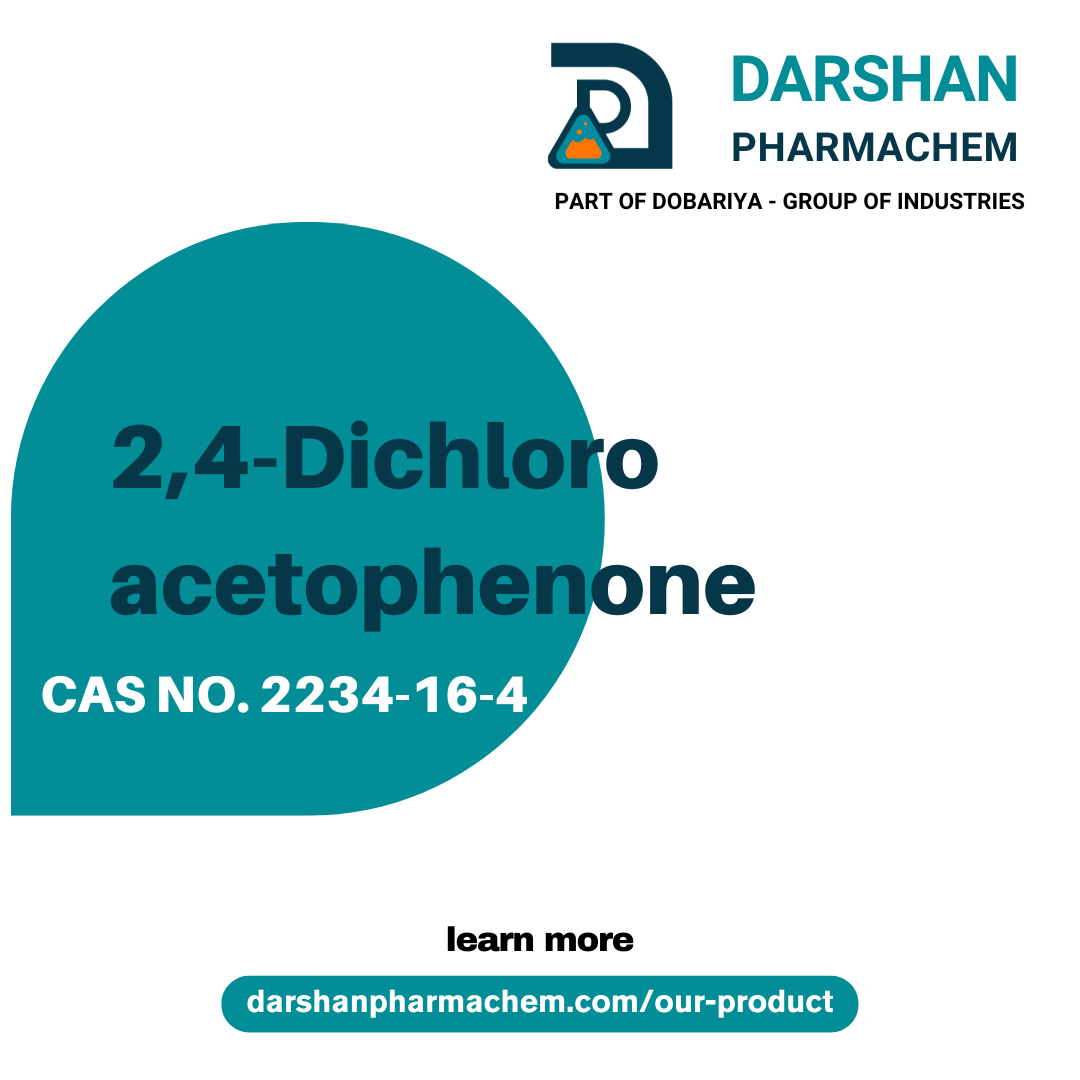
CAS:2234-16-4
Molecular Formula:C8H6Cl2O
Alias
More Information
1-(2,4-Dichlorophenyl)Ethanone; 2′,4′-Dichloroacetophenone; 2,4-Dichloroacetophenone (DCAP); DCAP; Acetophenone,2',4'-Dichloro; 2`,4`-Dichloroacetophenone; Ethanone, 1-(2,4-Dichlorophenyl)-; 2',4'-Dichloroacetophenone; P-Chloro-2-Chloroacetophenone; 2,4-Dichloroacetophenone; (2,4-Cl2-Ph)Come; 2',4'-Dichloro Phenyl Ethanone; 2,4-Dichloro Acetophenone
Brief Introduction
It can be used as a pharmaceutical intermediate for the synthesis of ketoconazole.
Suppliers
View More Vendors (3) >
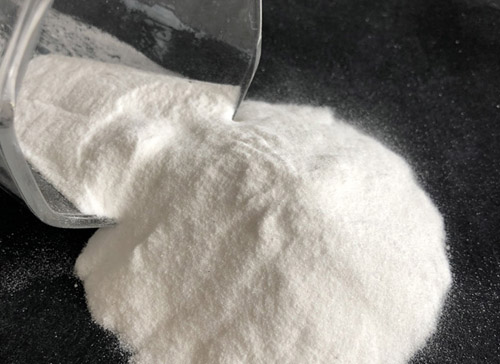
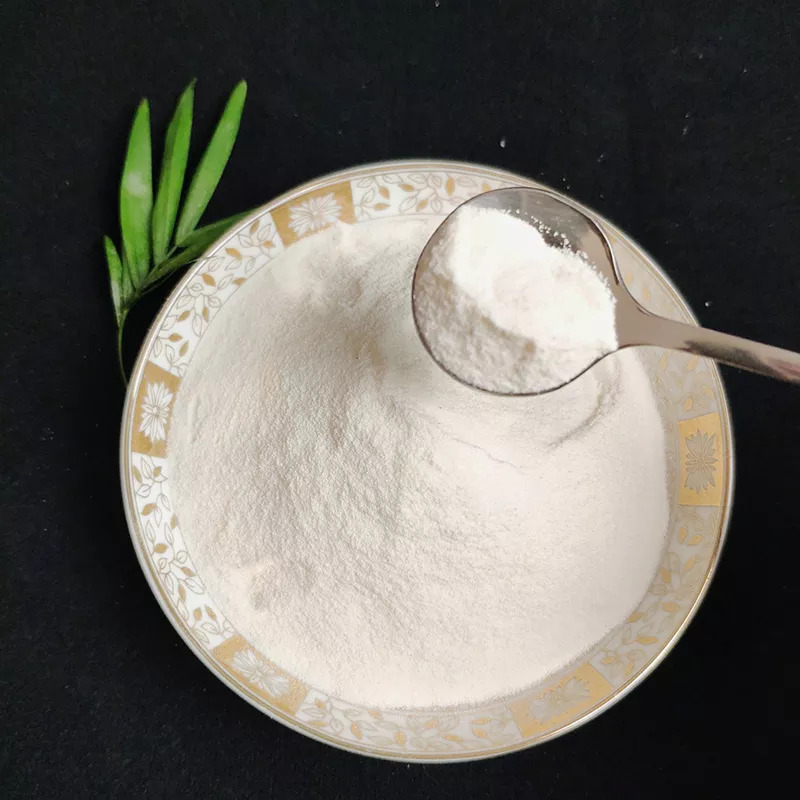
CAS:2235-54-3
Molecular Formula:C12H29NO4S
Alias
More Information
Dodecyl Sulfate Ammonium Salt; Presulin; Maprofix Nh; Neopon Lam; Ammonium Lauryl Sulphate; Sinopon; Ammonium Lauryl Ether Sulfate; Ammonium Dodecyl Sulphate; Ammonium Dodecyl Sulfate; Sterling Am; Conco Sulfate A; Texapon Special; Ammonium Lauryl Ester Sulfate; Richonol Am; Ammonium Laureth Sulfate; Akyposalals33; Ammoniumlaurylsulfatesolution; Ammoniumn-Dodecylsulfate; Concosulfatea; Dodecylammoniumsulfate; Laurylammoniumsulfate; Laurylsulfateammoniumsalt; Laurylsulfated’Ammonium
Brief Introduction
It is suitable for use as foaming agent in toothpaste, shampoo, shampoo cream, foaming and washing components in foam bath, carpet and fine fabric lotion and other cleaning products for civil and industrial use. Some nonferrous metals are used as foaming agents and trapping agents, ointment emulsifiers, pigment dispersants, dispersants and synthetic rubbers for emulsion polymerization. The detergent of textile and antistatic agent of synthetic fiber can also be used as foaming agent for fire extinguishing agent.
Suppliers
View More Vendors (3) >
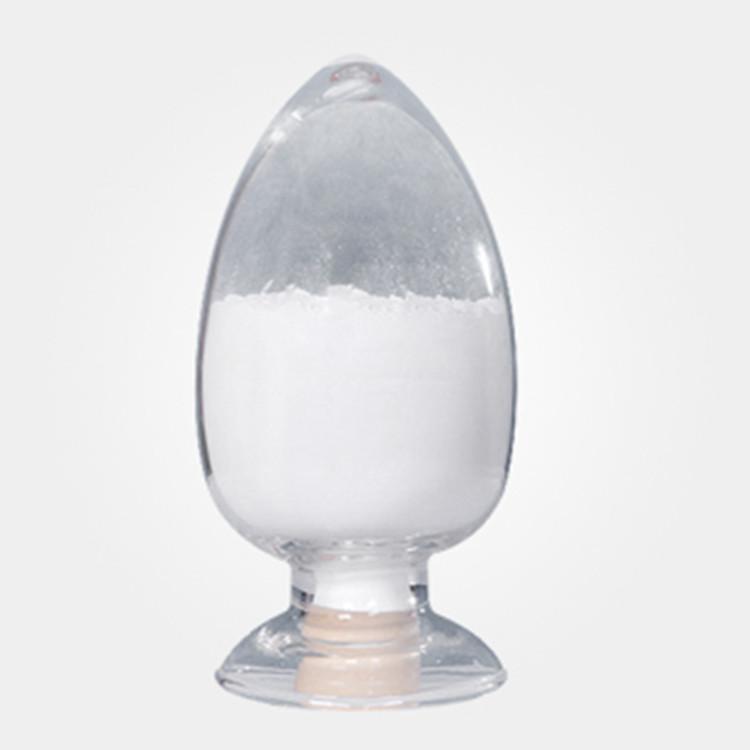
CAS:2439-35-2
Molecular Formula:C7H13NO2
Alias
More Information
2-(Dimethylamino)Ethyl Prop-2-Enoate; Dimethylaminoethyl Acrylate; DA; Dmaea; Adame; DAA; 2-Propenoic Acid, 2-(Dimethylamino)Ethyl Ester; Acrylic Acid 2-(Dimethylamino)Ethyl Ester; 2-Dimethylaminoethyl Prop-2-Enoate; 2-(Dimethylamino)Ethyl Acrylate; 2,2-Dimethylaminoethyl Acrylate; 2-(Acryloyloxy)Ethyldimethylamine; Acrylic Acid 2-(Dimethylamino)Ethyl; Propenoic Acid 2-(Dimethylamino)Ethyl Ester
Brief Introduction
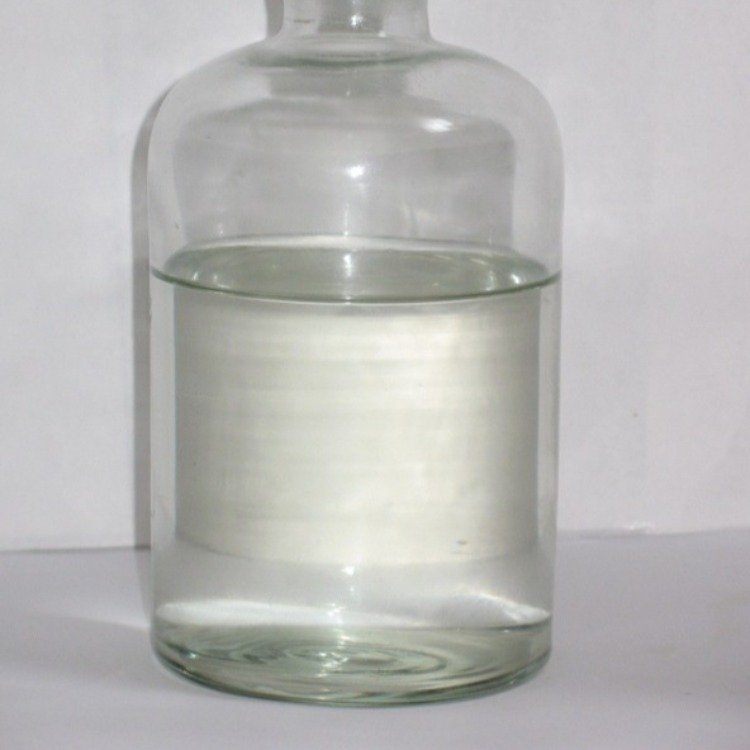
2-dimethylaminoethyl acrylate appears as a colorless to light yellow liquid with an acrid odor. Insoluble in water and floats on water. Irritates the eyes and produces tears.
Suppliers
View More Vendors (3) >
Inquiry (
10
/ 10
)
Clear All
Sign In
Error!