b

Thank You!
Your requirement has been sent, we will contact you quickly!
Sent Failed!
Try again!


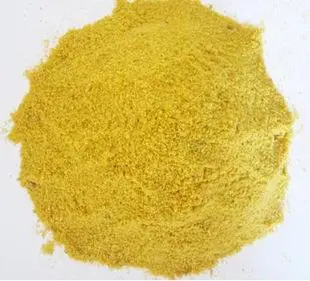
Soybean Phospholipids (Feed Grade)
1. It is mainly reflected in the aspects of supplementing nutrition, promoting metabolism, increasing the spawning rate, improving milk secretion, increasing the fat absorption rate, and enhancing growth.
2. To be a pelletization lubricant, improve the digestion and absorption of pelleted feed in the animal body and prevent the generation of fatty liver.
3. Being a natural nutritional supplement, phospholipids can replenish nutrients such as inositol, choline and phosphorus that animals need. If 10 kg of powdered phospholipid is added to each ton of feed, then 360 mg choline and 380 mg inositol can be added to each kg of feed, reducing the cost of adding such materials specially.
4. Phospholipids have a protective effect on polyvalent unsaturated fatty acids and fat soluble cellulose in feed, leading to increased survival rate.
5. To have a nutritional function superior to that of oils and fats, which can replace fat and obviously improve the nutritional value of feed, and is able to reduce the energy cost per unit of feed considerably.
6. It has an Orexigenic effect, improves palatability, and promotes the digestion and absorption of feed nutrients.
Additions: 3% ~ 5%
1. Technical indicators
Item | Index | |
Standard phospholipids | Powdered phospholipids | |
Acetone Insoluble Content% | ≥55 | ≥95 |
insoluble in hexane% | ≤0.3 | ≤0.3 |
acid valuemgKOH/g | ≤38 | ≤30 |
Moisture % | ≤2.0 | ≤1.5 |
Color values | 12-17 | — |
2. Packaging
Plastic buckets: 20 kg / bucket; Iron bucket: 200 kg / bucket; IBC bucket: 1000 kg / bucket.
3. Storage method and shelf life
Sealed and placed in a cool and dry place for storage with a shelf life of 18 months.
 Manufacturing