
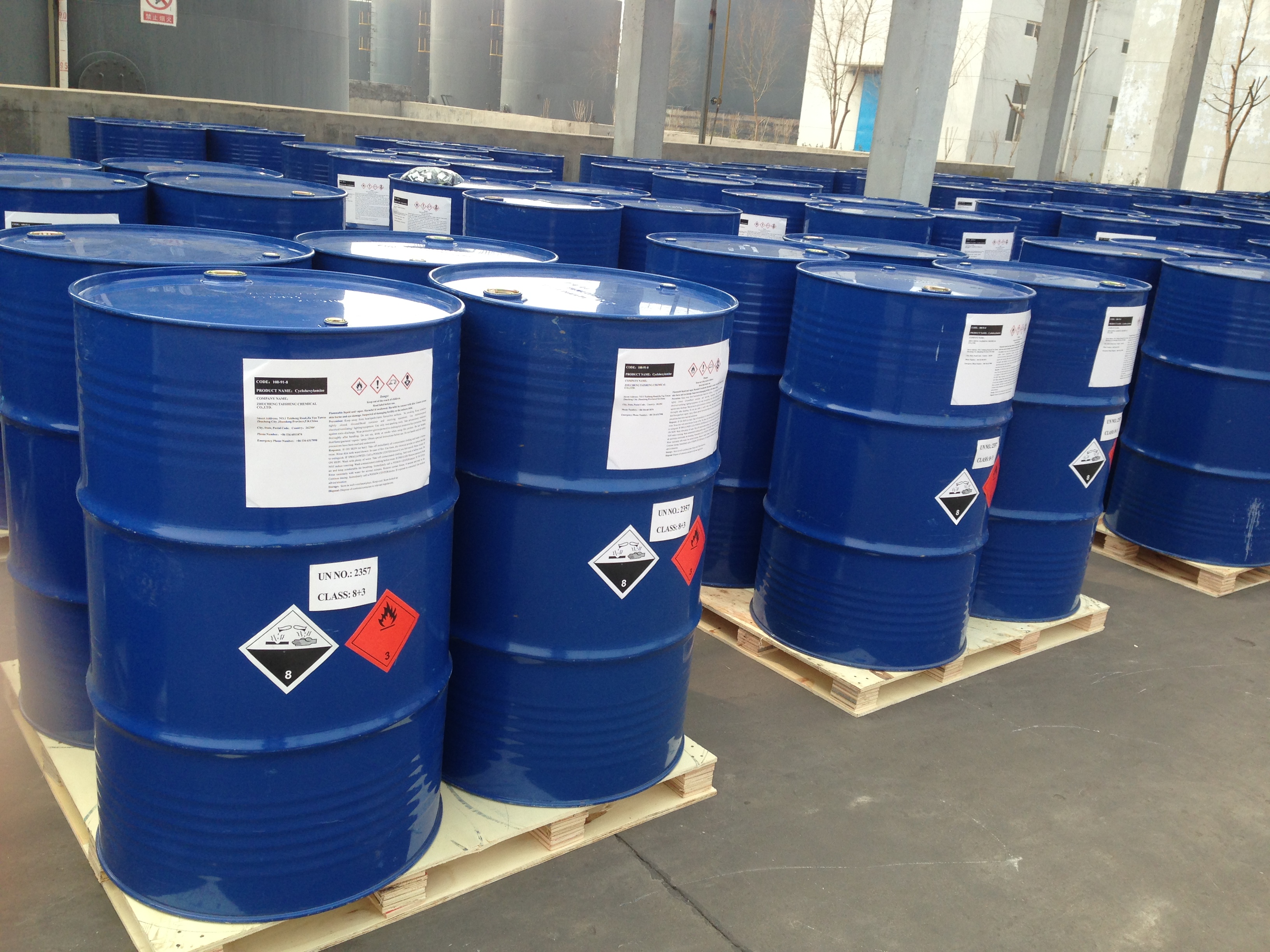
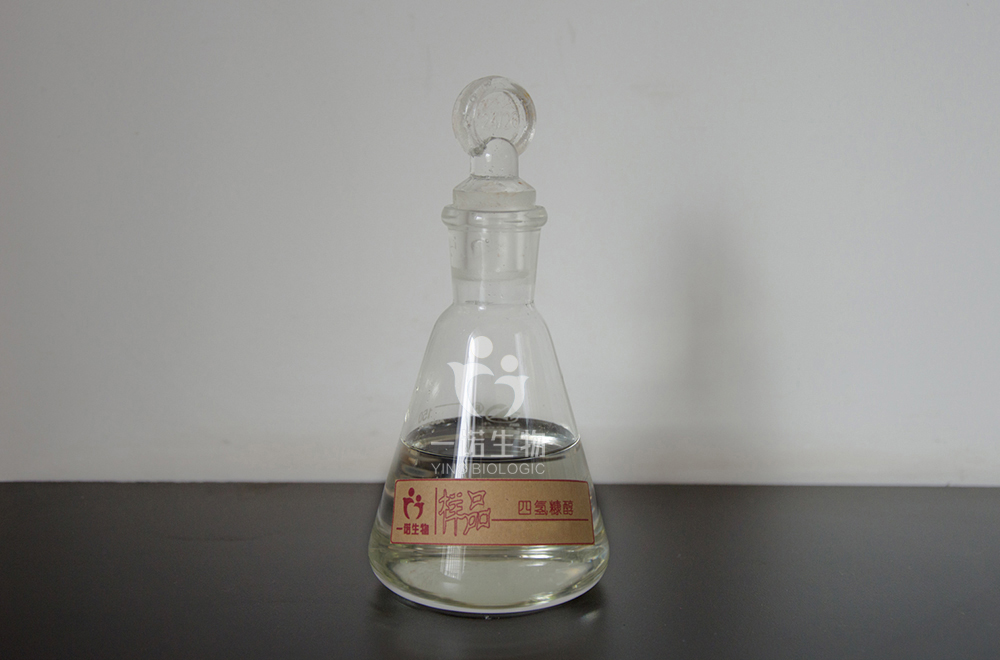
CAS:97-99-4
Molecular Formula:C5H10O2
Alias
More Information
2-Furanmethanol, Tetrahydro-; 2-Furanmethanol,Tetrahydro-; (Tetrahydrofuran-2-Yl)Methanol; Tetrahydro-2-Furanmethanol; Oxolan-2-Ylmethanol
Brief Introduction
It is used for preparing succinic acid, pentanediol, tetrahydrofuran, pyran, etc. it is also used as a solvent for coatings, resins and oils. In the printing and dyeing industry, it is used as lubricant, dispersant, decolorizing and deodorizing agent of drugs, as well as raw materials for organic synthesis such as plasticizer, herbicide and pesticide. Tetrahydrofuran methyl bromide was obtained by bromination of tetrahydrofuran alcohol, and sodium tetrahydrofuran methyl thiosulfate was prepared by replacement of sodium thiosulfate. It is the raw material of long-acting vitamin B1 (furan thiamine).
Suppliers
View More Vendors (2) >
CAS:98-86-2
Molecular Formula:C8H8O
Alias
More Information
Ethanone,1-Phenyl; Phenyl Methyl Ketone; Acetophenon; Ethanone, 1-Phenyl-; Acetylbenzene; Methyl Phenyl Ketone; 1-Phenylethanone
Brief Introduction
It is used as solvent and olefin polymerization catalyst, and used for making spices, etc.
Suppliers
View More Vendors (2) >
CAS:998-30-1
Molecular Formula:C6H16O3Si
Alias
More Information
Silane, Triethoxy-; 5,6-Epoxyhexyltriethoxysilane; Silane,Triethoxy; Triethoxysilicane; Tries; Triethoxy-Silane; 4-Bromooctafluorobutanetriethoxysilane; Triethoxy-Silan; 3-Piperazinopropyltriethoxysilane; Triethoxysilicon; TES
Brief Introduction
Triethoxysilane is an organosilicon compound with the formula HSi(OC2H5)3. It is a colourless liquid used in precious metal-catalysed hydrosilylation reactions. The resulting triethoxysilyl groups are often valued for attachment to silica surfaces. Compared to most compounds with Si-H bonds, triethoxysilane exhibits relatively low reactivity. Like most silyl ethers, triethoxysilane is susceptible to hydrolysis.
Suppliers
View More Vendors (2) >
Wuxi Hopeful Silane Co.,Ltd
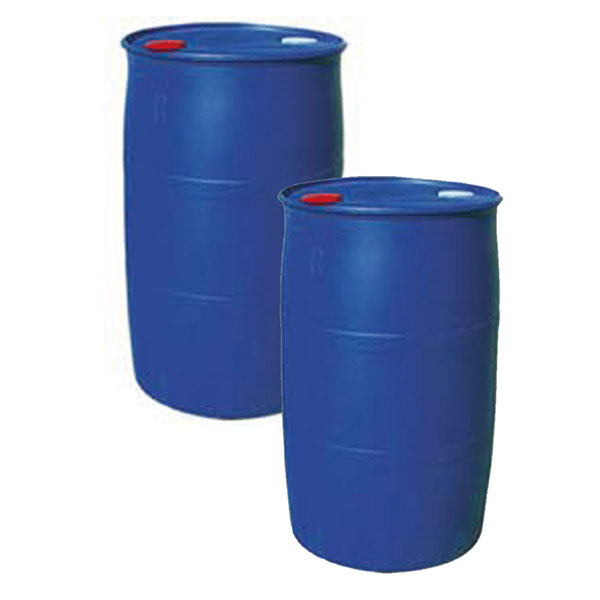
98.0%
/
Tech Grade
180kg
/
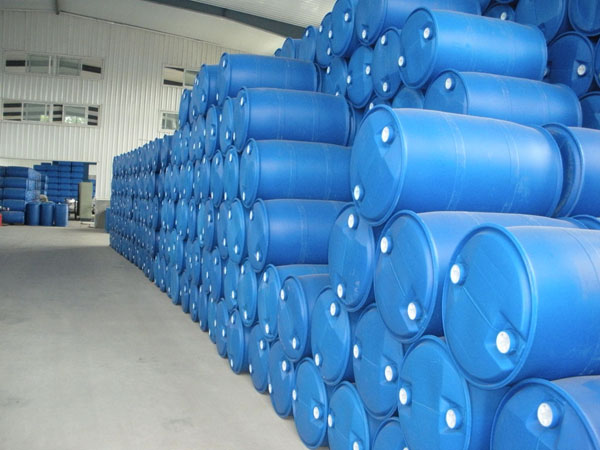
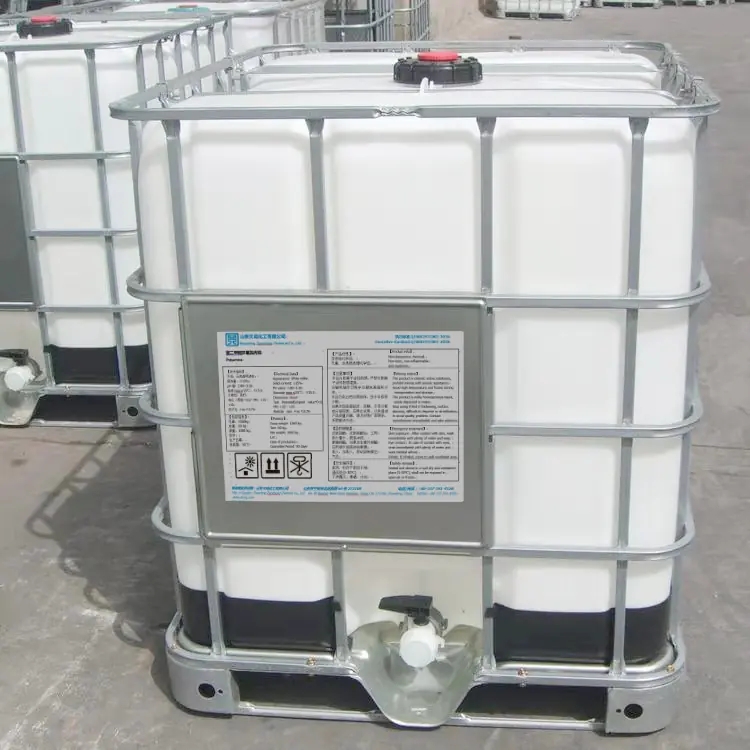
Plastic Drum
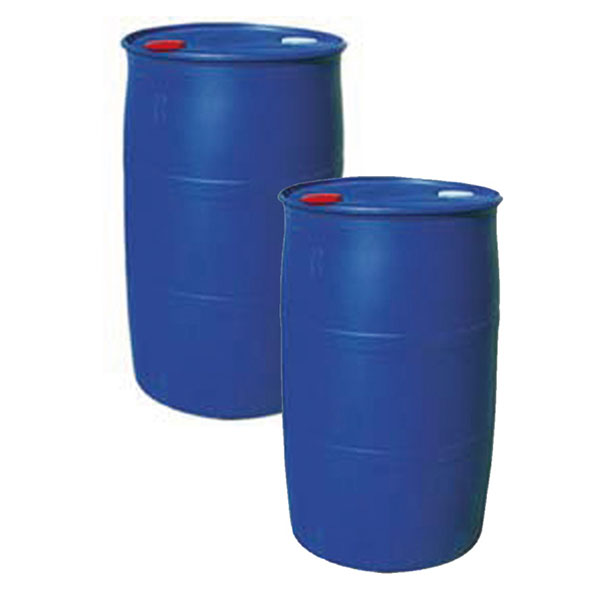
SCA-013 98%
/
Tech Grade
200kg
/
Plastic Drum
CAS:4559-86-8
Molecular Formula:C17H36N2O
Alias
More Information
1,1,3,3-Tetrabutylurea; Urea, Tetrabutyl-; N,N,N',N'-Tetrabutylurea
Brief Introduction
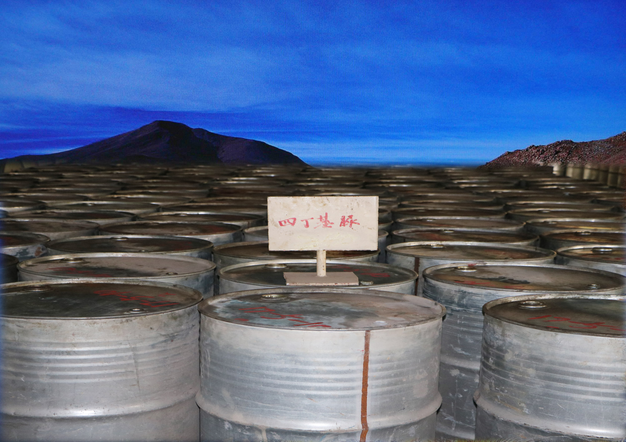
It is mainly used as a solvent for the production of hydrogen peroxide by anthraquinone method and as a substitute for trioctyl phosphate products.
Suppliers
View More Vendors (2) >
Alias
More Information
Anionic Active Agents; Surface Active Agent; Anionic Auxiliary; Agroaid
Brief Introduction
Anionic surfactants are one of the most widely developed, high yielding, and versatile classes of surfactants. Anionic surfactants are classified by the structure of their hydrophilic groups: sulfonates and sulfate salts and are the main class of anionic surfactants. The various functions of surfactants are mainly manifested in modifying the surface, liquid-liquid interface, and liquid-solid interface properties of liquids, of which the surface (interfacial) planarity of the liquid is the most important.
Structurally, anionic surfactants are classified into four main groups carboxylate, sulfonate, sulfate and phosphate salts.
Suppliers
View More Vendors (2) >
Dodecylbenzenesulfonic acid (branched chain) neutralized the resulting product with Ca2 +
/
Tech Grade
200kg
/
Plastic Drum
Inquiry (
10
/ 10
)
Clear All
Sign In
Error!