
Feed Additive
Additives For Food Packaging
Colorant
Stabilizer and Coagulator
Water Retention Agent
Feed Deworming Health Agents
Anti Corrosion and Preservation
Color Fixative
Flour Treatment Agent
Defoamer
Coating Agent
Feed Vitamins
Emulsifier
Other Food Additives
Nutritional Fortifier
Thickening Agent
Feed Quality Enhancer
Antioxidants
Chewing Gum Bases
Bulking Agent
Feed Amino Acids and Small Peptides
Flavor Enhancer
Sweeteners
Additives For Feed Preservation
Other Feed Additives
Food Additive
Bleaching Agents
Anticaking Agent
Food Flavors and Fragrances
Enzyme Preparation
Feed Trace Elements
Acidity Regulators
Feed Growth Promoters
Feed Conditioner
CAS:153-94-6
Molecular Formula:C11H12N2O2
Alias
More Information
D(+)-Tryptophan; (2R)-2-Amino-3-(1H-Indol-3-Yl)Propanoic Acid; D-α-Amino-3-Indolepropionic Acid; (R)-2-Amino-3-(3-Indolyl)Propionic Acid; (R)-(+)-2-Amino-3-(3-Indolyl)Propionic Acid; D-Trp; D-Tryptophane; D-2-Amino-3-(3-Indolyl)Propionic Acid; D-2-Amino-3-Indolepropionic Acid; D-2-Amino-3-Indolylpropanoic Acid; D-Alpha-Amino-3-Indolepropionic Acid
Brief Introduction
As a non protein active amino acid, D-TRYPTOPHAN has special physiological properties. It can be used as non nutritive sweetener, feed additive and plant growth agent in food and feed industry and agriculture. In the pharmaceutical industry, it is mainly used to synthesize various peptides to replace L-tryptophan, prolong the half-life of peptide drugs and reduce side effects, It is an important synthetic precursor of enzyme inhibitors. It can improve the immune ability of the body and delay the occurrence of allergic reaction. Most polypeptide antibiotics can inhibit or kill Gram-positive bacteria, while others can inhibit or kill Gram-negative bacteria such as Pseudomonas aeruginosa, mycobacteria, fungi, bacteria, bacteria and tumor cells. The side chain of semi synthetic antibiotics synthesized from D-TRYPTOPHAN plays an important role in its pharmacological function, and the peptide bond is difficult to be identified β- In addition, it has a wide antibacterial spectrum, low toxicity, low anaphylaxis, fast absorption, high blood concentration, long duration of drug strength and so on.
Suppliers
View More Vendors (2) >

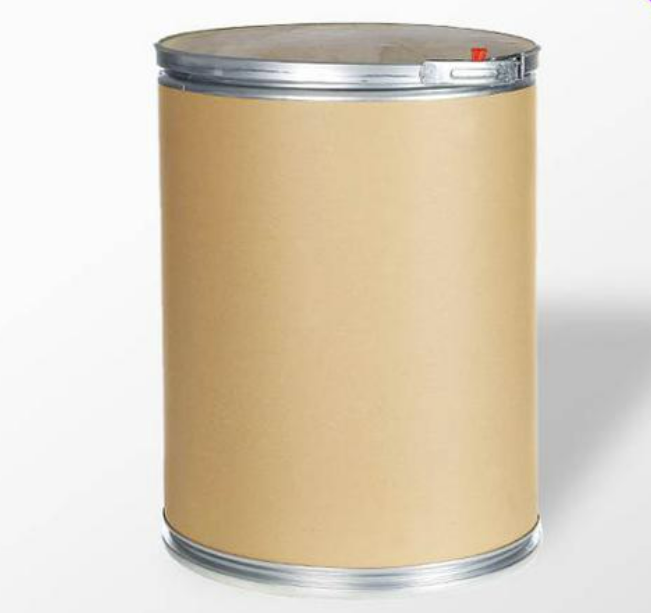
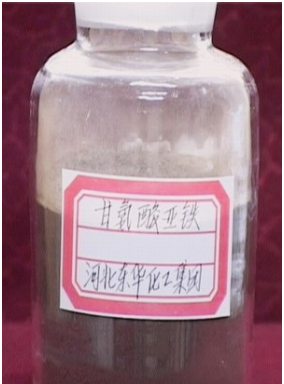
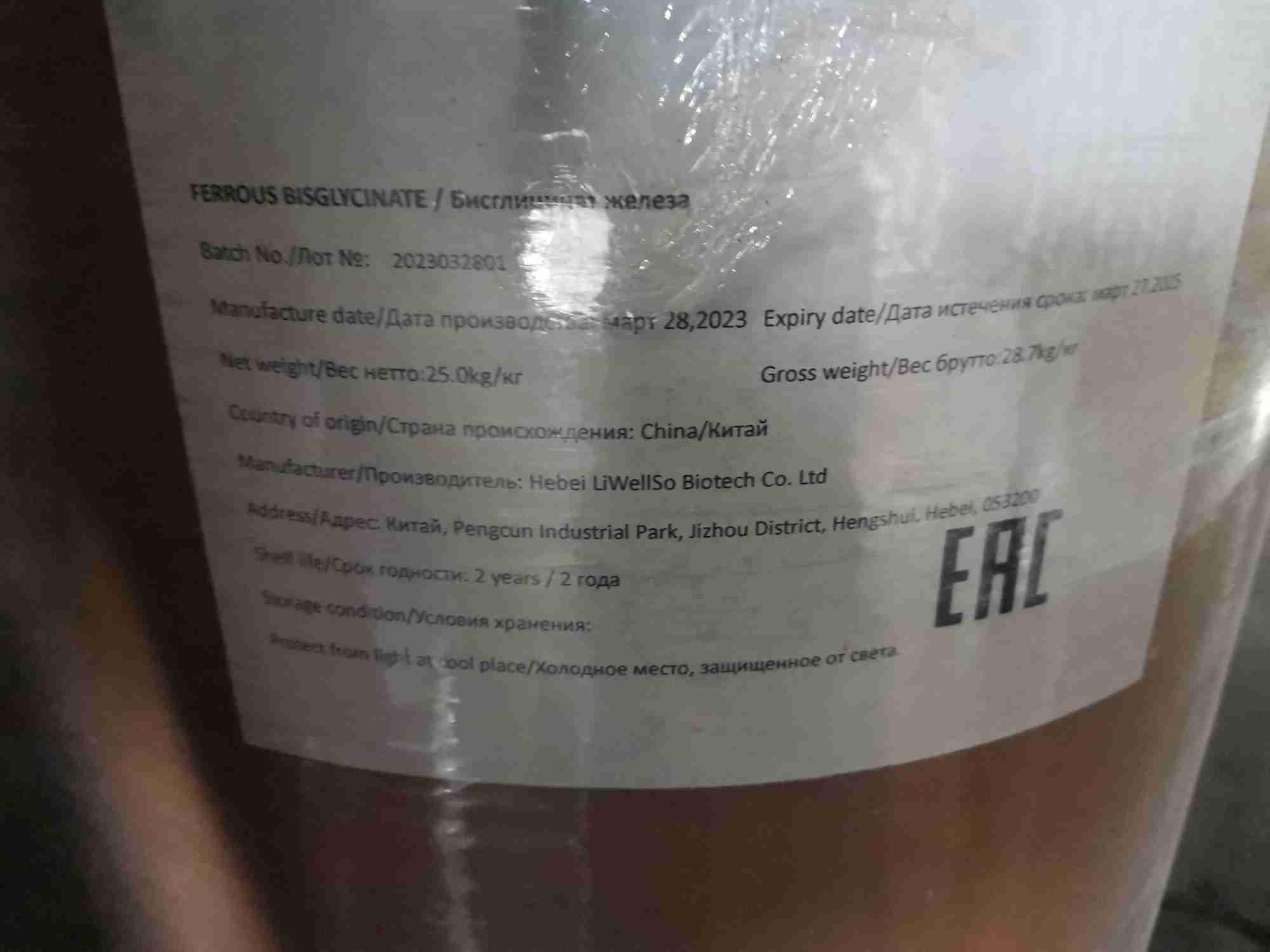
CAS:20150-34-9
Molecular Formula:C4H8FeN2O4
Brief Introduction
This product is a nutritional fortifier and a therapeutic drug for iron deficiency anemia
Suppliers
View More Vendors (2) >
CAS:3211-76-5
Molecular Formula:C5H11NO2Se
Alias
More Information
(S)-2-Amino-4-(Methylselanyl)Butanoic Acid; L-Selenomethioninum; (S)-2-Amino-4-(Methylseleno)Butyric Acid; Selenium-L-Methionine; Seleno-L-Methionine; Se-Methionine; (2S)-2-Amino-4-Methylselanylbutanoic Acid; Semet; L(+)-Selenomethionine; L-(+)-Selenomethionine; (S)-(+)-2-Amino-4-(Methylseleno)Butanoic Acid; Selenomethionine, L-(+)-; L-(+)-2-Amino-4-(Methylseleno)Butanoic Acid
Brief Introduction
It can be used for protein structure analysis. Use this product to feed bacteria, so that the specific position in the final protein will be replaced by selenium, which is convenient for structural determination
Suppliers
View More Vendors (2) >
CAS:3792-50-5
Molecular Formula:C4H6NNaO4
Alias
More Information
(S)-2-Aminosuccinic Acid, Sodium Salt; Sodium L-Aspartate; Sodium Aspartate; Sodium (2S)-2-Amino-3-Carboxypropanoate; Aspartatemonosodiumsalt; L-Sodium Aspartic; L-Aspartic Acid 4-Sodium Salt; Sodium D-Aspartic Acid; L-Aspartic Acid Hydrogen 4-Sodium Salt
Brief Introduction
Sodium L-aspartate has excellent freshness and antiseptic effects. It is widely used as freshener and preservative in food industry and can replace monosodium glutamate. In the pharmaceutical industry, it can be used as the main raw material for heart disease drugs, liver function enhancers, ammonia antidotes, fatigue eliminators and amino acid infusion. It is also widely used in industry.
Suppliers
View More Vendors (2) >
CAS:60343-69-3
Alias
More Information
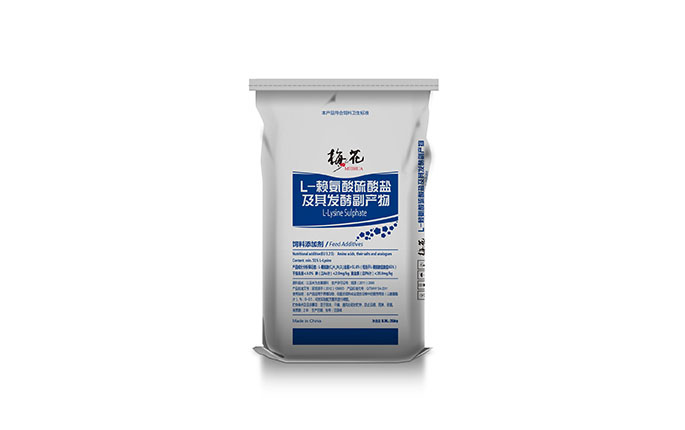
L-Lysine Sulphate Fandachem; L-Lysine HCl; l-Lysine Sulfate
Brief Introduction
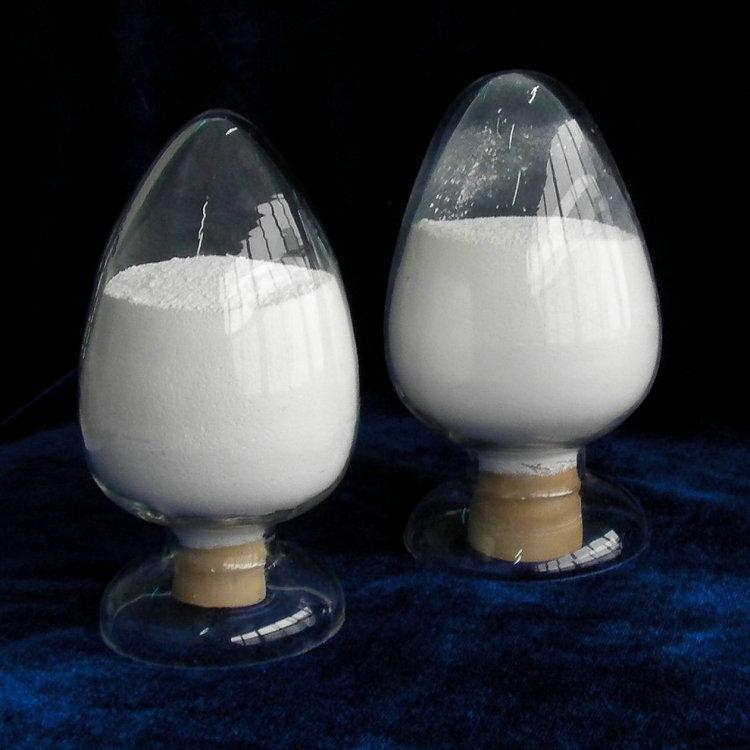
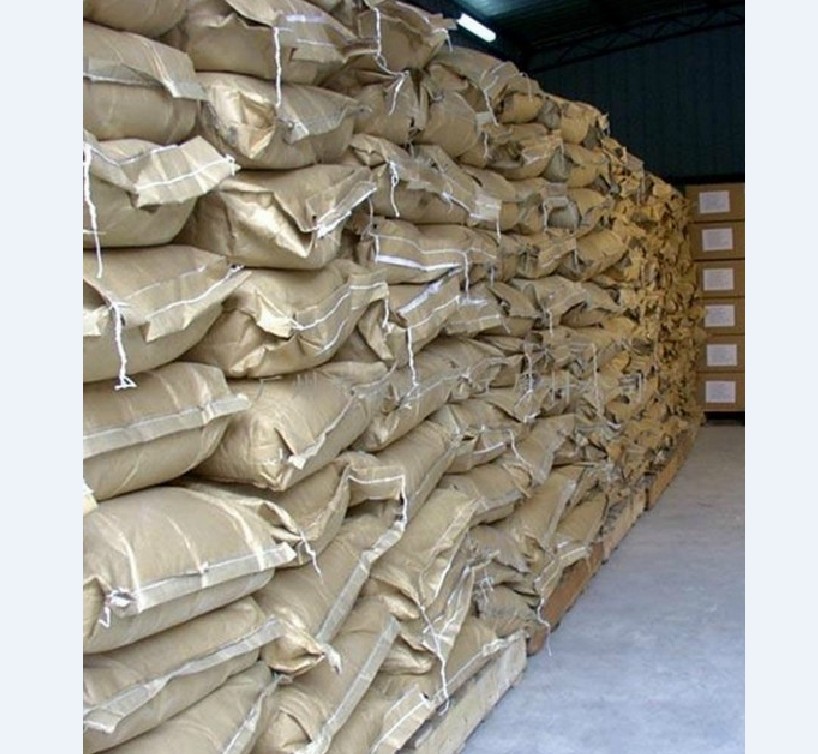
Mixture produced by fermentation technology whose essential component is L-Lysine sulphate, it also includes other amino acid, and microbial cell, microelement and bacterial protein.
From various kinds of research results, Lysine sulphate is a kind of very good source for lysine. It is with remarkable application effect and biological effect in poultry, swine and aquatic livestock.
Suppliers
View More Vendors (2) >
Inquiry (
10
/ 10
)
Clear All
Sign In
Error!