
CAS:128446-35-5
Molecular Formula:C63H112O42
Alias
More Information
(2-Hydroxypropyl)-Beta-Cyclodextrin; (2-Hydroxypropyl)-β-Cyclodextrin; Hydroxypropyl-Beta-Cyclodextrin; (2-Hydroxypropyl)-Beta-Cyclodextri; Hydroxypropyl-β-Cyclodextrin; Beta-Cyclodextrin, 2-Hydroxypropyl Ethers; (2-Hydroxypropyl)-; A-Cyclodextrin; Hydroxypropyl Betadex; Hydroxypropyl-?-Cyclodextrin; HP-B-CD; HBC; Beta-Cyclodextrin,2-Hydroxypropylether; (2-Hydroxypropyl)-^B-Cyclodextrin
Brief Introduction
An ideal injection solubilizer and drug excipient can improve the water solubility of insoluble drugs, increase drug stability, improve drug bioavailability, increase the curative effect or reduce the dosage of drugs, adjust or control the release speed of drugs and reduce the toxic and side effects of drugs.
Suppliers
View More Vendors (2) >
CAS:1302-78-9
Molecular Formula:Al2H2O12Si4
Alias
More Information
Montmorillinite Clay; Montmorillonite; Bentonite Magma; Bentonite (Sodium Form); Fullers Earth; Kwk Krystal Klear; Organobentonites; Drilling Fluids; Directional Crossing Bentonite; Bentonite for Metallurgy; Bentonite for Foundry; Organic Bentonite; Anti-Salt Bentonite; Fuller Earth; Fuller Earth clay; Sdfcl 500gm Bentonite
Brief Introduction
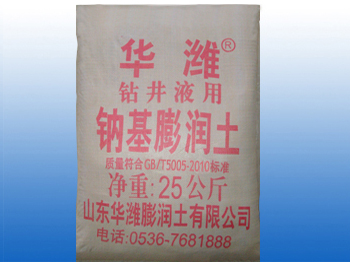
Bentonite can be used as binder, adsorbent, filler, thixotropic agent, flocculant, detergent, stabilizer, thickener, etc., as carrier of chemical fertilizer, bactericide and pesticide, filler of rubber and plastic, anti sedimentation assistant of synthetic resin and ink, thixotropic and thickening of pigment and raw slurry coating, additive of daily chemicals, absorbent and binder of medicine, etc, It is also widely used in petroleum, metallurgy, casting, machinery, ceramics, construction, light industry, papermaking, textile and food sectors.
Suppliers
View More Vendors (2) >
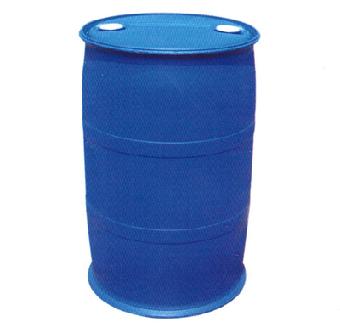
SK08:Self activation viscosity 4500-6500mPa.s,Loss on ignition 30%~45%,Fineness (200 mesh) ≤ 5%
/
Tech Grade
200kg
/
Plastic Drum
CAS:1309-42-8
Molecular Formula:H2MgO2
Alias
More Information
Mdh; Magnesium,Dihydroxide; Magnesium Hydrate,High Purity Flameretardant
Brief Introduction
This product can be used as analytical reagent, pharmaceutical industry, antacid and laxative in medicine, sugar and magnesium oxide.
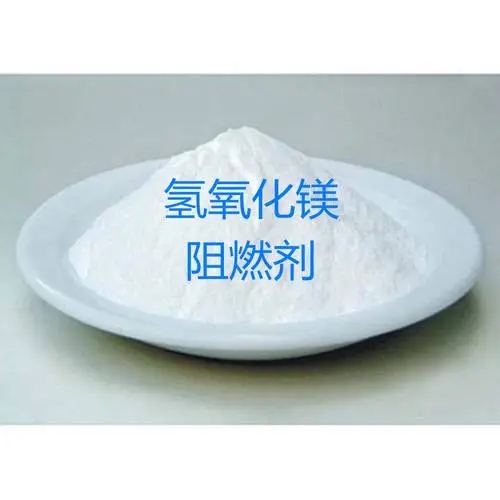
It can be used as a compound for plastic and rubber flame retardant (PE, PP, ABS, hips, nylon, PVC, etc.), electronic conveyor belts and building materials
Suppliers
View More Vendors (2) >
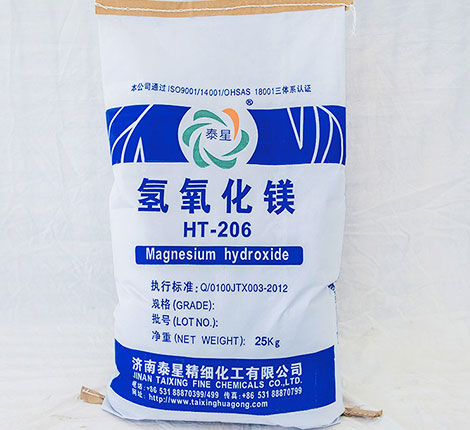
HT-206 Moisture ≤ 0.8%; Whiteness ≥ 91%
/
Tech Grade
40kg
/
Paper Bag
CAS:131-57-7
Molecular Formula:C14H12O3
Alias
More Information
Methanone, (2-Hydroxy-4-Methoxyphenyl)Phenyl-; Oxybenzone; Uvinul 3040; Benzophenone-3 (Bp-3); (2-Hydroxy-4-Methoxyphenyl)(Phenyl)Methanone; Component Of Presun 29; Component Of Presun 30; Cyasorb Uv 9; Escalol 567; Eusolex 4360; Lankromark Le296
Brief Introduction
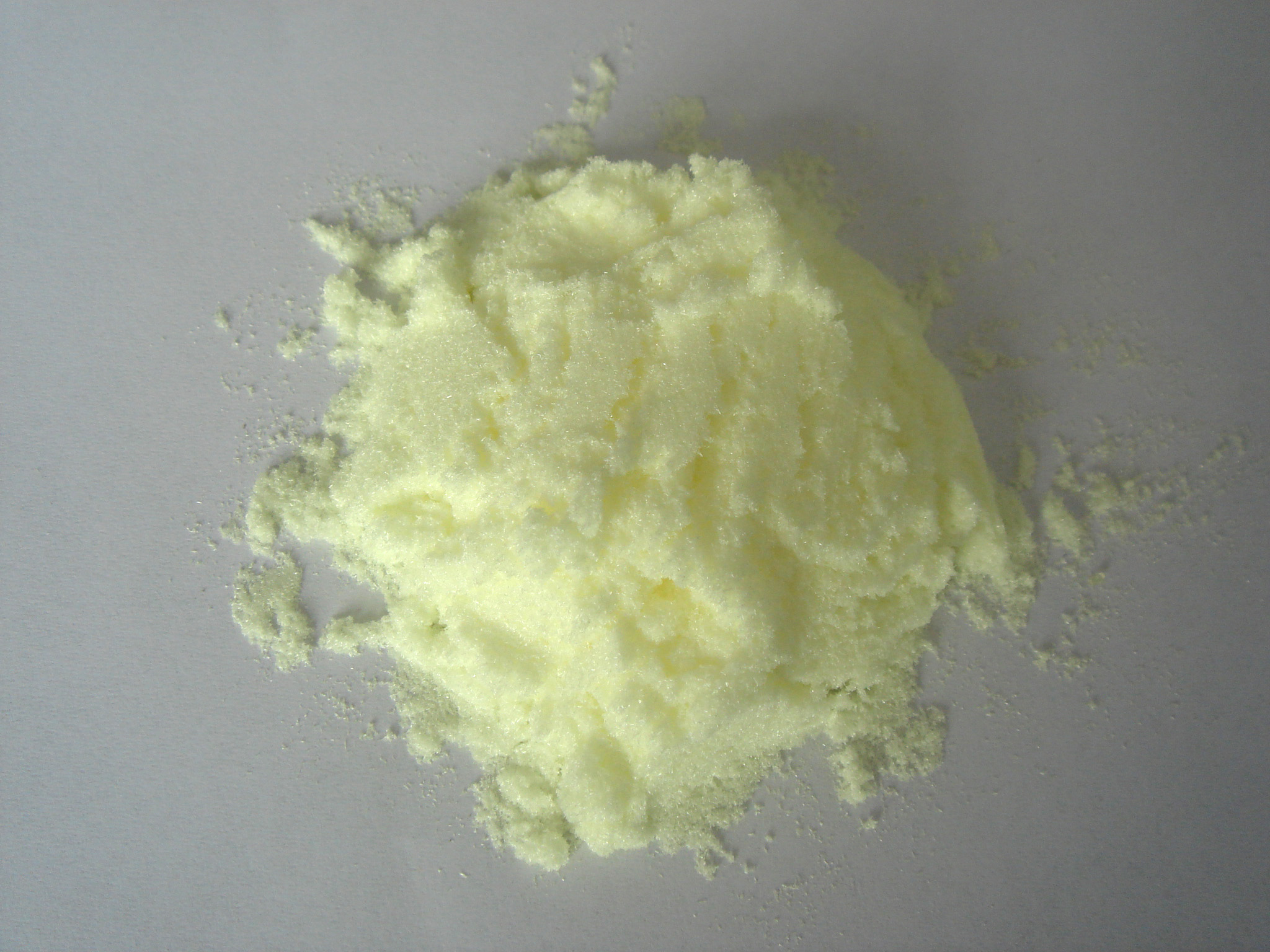
UV-9 is a light yellow or white crystalline powder, which is suitable for PVC, PVDC, PMMA, unsaturated polyester, ABS resin, cellulose resin and other plastics. The maximum absorption wavelength range is 280-340 nm, and the general dosage is 0.1-1.5%. It has good thermal stability and does not decompose at 200 ℃. This product can hardly absorb visible light, so it is suitable for light color transparent products. It can also be used in paint and synthetic rubber. UV absorbers for UV absorption, no teratogenicity, good light and thermal stability, UV Absorbents UV-9 can absorb UV-A and UV-B at the same time. It is a class I sunscreen approved by the US FDA. The frequency of use in the US and Europe is high. UV-9 is widely used in sunscreen lotion, cream, honey, emulsion, oil and other sunscreen cosmetics. UV-9 can also be used as an anti tarnishing agent for photosensitive products. In addition, due to its good compatibility with many plastics and resins, UV-9 is usually used in many fields such as PVC and unsaturated polyester.
Suppliers
View More Vendors (2) >
CAS:1317-61-9
Molecular Formula:Fe3O4
Alias
More Information
Iron(Ii,Iii)Oxide; Monodispersed Magnetite Microspheres; Iron(Ii) Diiron(Iii) Oxide; Iron Oxide Black; Iron Oxide(Ii,Iii),Magnetic Nanoparticles; Iron Oxide(Ii,Iii); Iron(Ⅱ,Ⅲ) Oxide; Ferric Ferrous Oxide; Iron Oxide (Fe3O4)
Brief Introduction
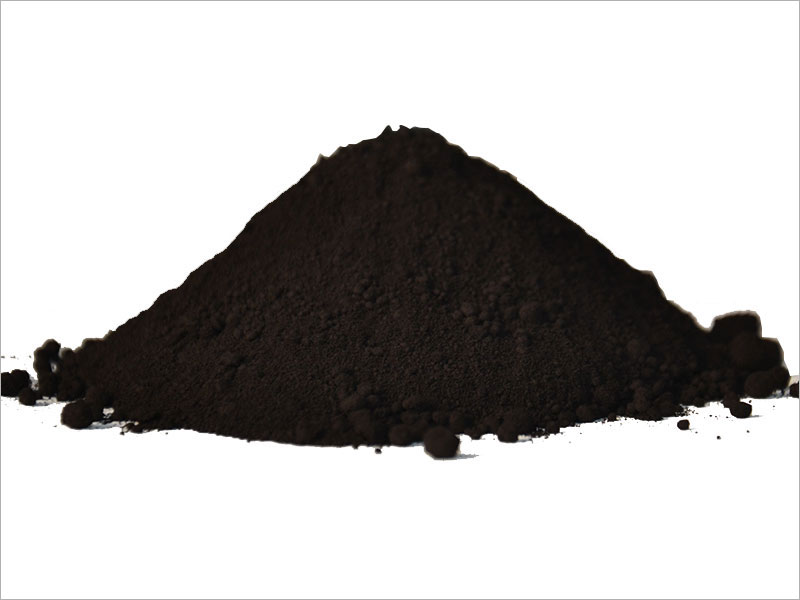
It is used in medicine, metallurgy, electronics, textile and other industries, as well as pigments and glass colorants used as catalysts, polishing agents, paints and ceramics. Special magnetic iron oxide can be used to manufacture audio tapes and telecommunications equipment.
Suppliers
View More Vendors (2) >
Inquiry (
10
/ 10
)
Clear All
Sign In
Error!