
CAS:133-37-9
Molecular Formula:C4H6O6
Alias
More Information
2,3-Dihydroxysuccinic Acid; Racemic Acid; DL-2,3-Dihydroxybutanedioic Acid; Resolvable Tartaric Acid; (2S,3S)-2,3-Dihydroxybutane-1.4-Dioicacid; 2,3-Dihydroxy-,(R*,R*)-(±)-Butanedioicacid; 2,3-Dihydroxybutanedioic Acid Hydrate; Tartaric Acid; 2,3-Dihydroxy-,(Theta,Theta)-(+/-)-Butanedioicaci; DL Tartaric acid
Brief Introduction
DL-Tartaric Acid is colorless crystal or white crystal powder, odorless and sour. It is a mixture of equal amounts of right-handed and left-handed tartaric acid, often containing one or two crystal water, heated to 100 ℃ ° It is soluble in water and insoluble in chloroform. DL tartaric acid can be used as sour taste agent, chelating agent, antioxidant synergist, aroma enhancer, quick acting leavening agent, acid substance, food pigment diluent and solidifying agent. DL-Tartaric Acid is widely used in food, medicine, chemical industry, light industry and other industries. It is mainly used in the manufacture of tartrate. In the food industry, it is used as beer foaming agent, food sour agent, taste corrector and sour agent of grape juice. It is also used in tanning, photography, glass, enamel, telecommunication equipment, etc.
Suppliers
View More Vendors (4) >
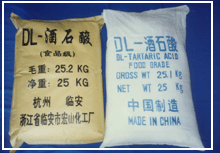
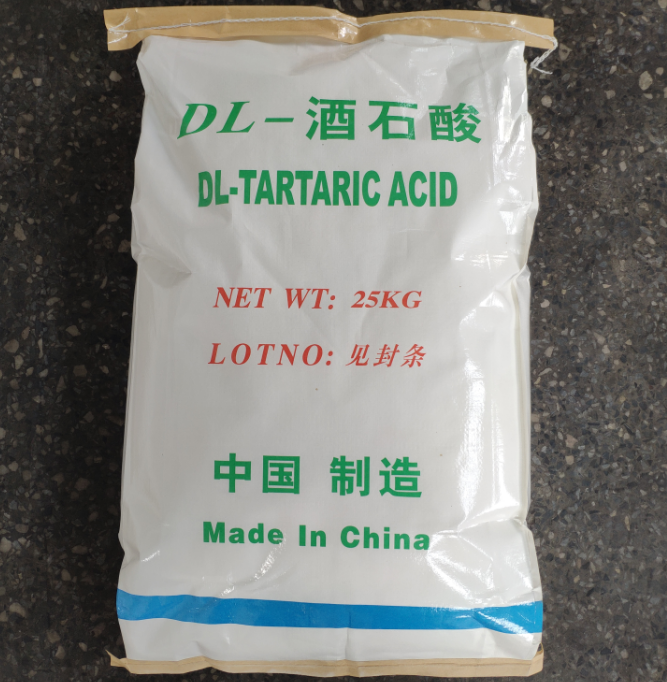
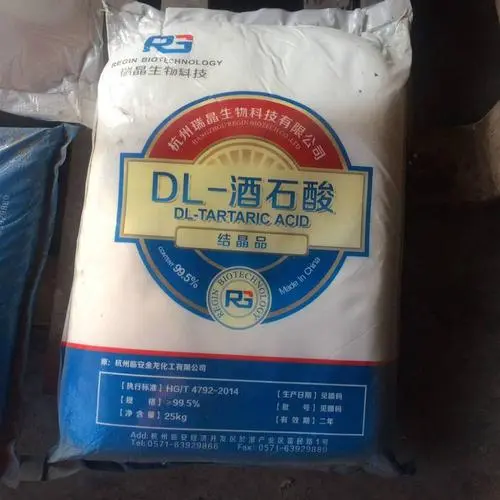
≥ 99.5% (crystalline product)
/
Food Grade
25kg
/
Paper Bag
CAS:134-20-3
Molecular Formula:C8H9NO2
Alias
More Information
Methyl 2-Aminobenzoate; 2-Aminobenzoic Acid Methyl Ester; Anthranilic Acid Methyl Ester; Methyl 2-Anthranilate; Methyl O-Aminobenzoate; Neroli Oil, Artificial; 2-(Methoxycarbonyl)Aniline; 2-Amino-Benzoicacimethylester; 2-Carbomethoxyaniline; Benzoicacid,2-Amino-,Methylester; Carbomethoxyaniline; Methyl Anthranylate; Methyl Ester Of O-Aminobenzoic Acid; Methylaminobenzoate; Methylester Kyseliny Anthranilove; Methyl-2-Aminobenzoate; Methylanthranilate Solution; 1-Aminobenzene-2-Carboxylic Acid Methyl Ester; 2-Methoxycarbonylaniline
Brief Introduction
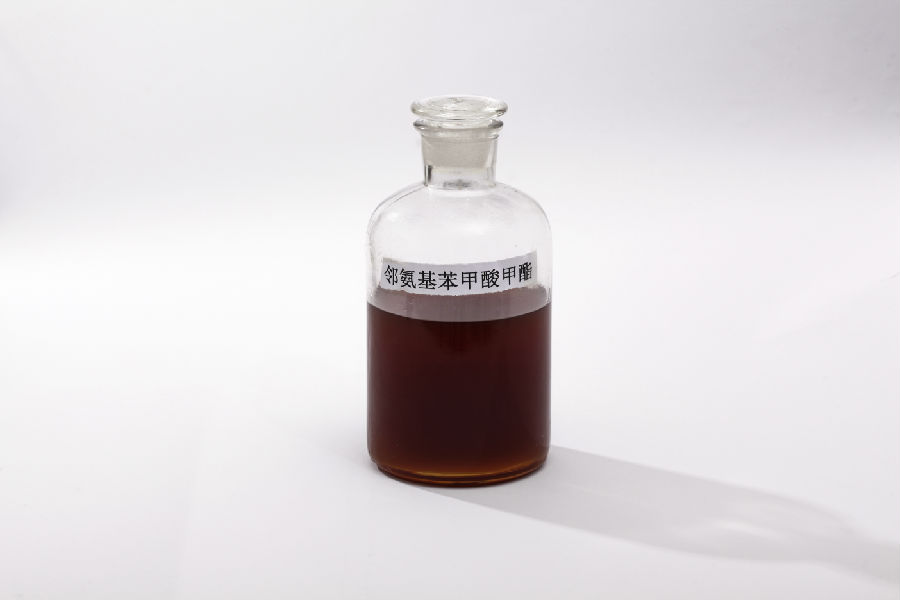
This product is naturally found in essential oils of citrus, Wan Xiangyu, jasmine, gardenia, orange blossom, and has strong fruit aroma and fragrance. It is one of the backbone products of the spice industry, and is widely used in daily flavors and flavors. It is the main flavor of grape flavor and can be used in various flavors such as berries, muskmelon, honey, citrus, lemon, strawberry and pineapple.
Suppliers
View More Vendors (4) >
Shandong Juqiang Oasis Biotechnology Co.,Ltd.
Our company has been producing anthranilic acid, methyl anthranilate and dye intermediates for many years. The production process is mature and the product quality is stable. The company has accumulated rich experience in this field. Our scientific research team has independently developed patented technology, which has reached the international advanced level.
/
-
CAS:134-62-3
Molecular Formula:C12H17NO
Alias
More Information
DEET; Diethyl Toluamide; N,N-Diethyl-3-Methyl-Benzamide; Delphene; N,N-Diethyl-3-Methylbenzamide; Flypel; Detamide; Dieltamid; Diethyltoluamide; Metadelphene; N,N-Diethyl-Meta-Toluamide(Mosquito Repellent Chemical); N,N-Diethyl m-Methylbenzamide
Brief Introduction
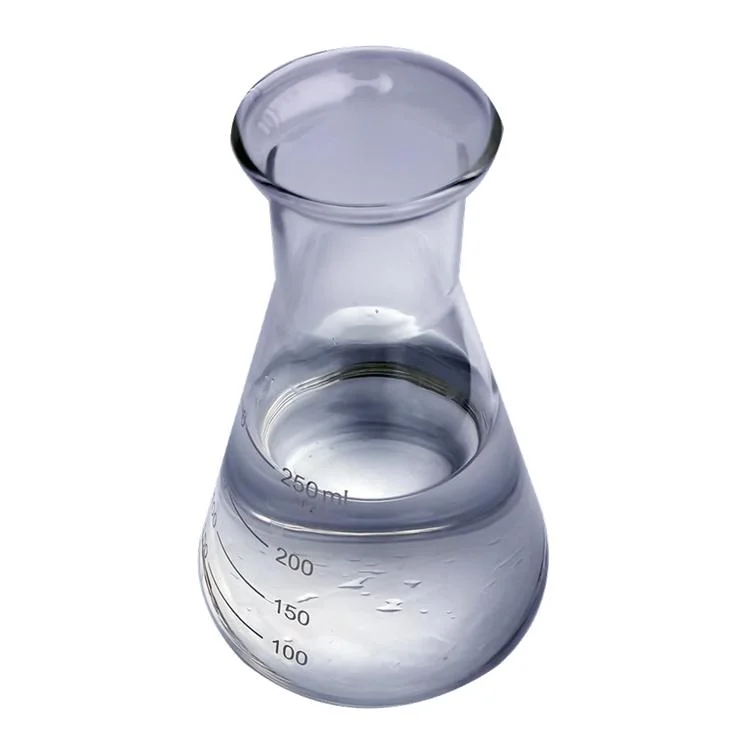
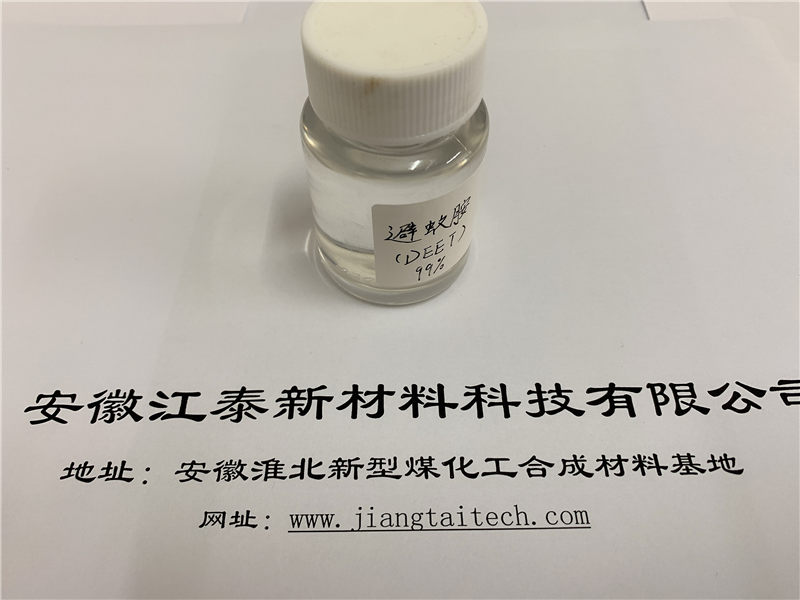
DEET, the chemical name of DEET, is a broad-spectrum insect repellent. It can repel a variety of human biting insects in various environments. It can repel thorn flies, midges, black flies, Chigger Mites, deer flies, fleas, Simulium, horseflies, mosquitoes, sand flies, small flies, barn flies and ticks. DEET was developed and patented by the U.S. Department of agriculture during World War II. The product was designated as a mosquito repellent product for the U.S. Army in 1946. In 1957, it was registered as an insect repellent by the U.S. Environmental Protection Agency. It was first used as an insecticide on farms. Later, the U.S. government applied for its use in wartime, especially in Vietnam and Southeast Asia. According to the statistics of the U.S. Environmental Protection Agency, nearly 40% of Americans use insect repellent containing DEET every year, which has been used by about 200 million people around the world for more than 40 years, Studies by more than 20000 research units have proved that DEET is the safest and most effective broad-spectrum repellent on the market. The World Health Organization also recommends the use of repellent products containing DEET to prevent the invasion of disease vectors. It is often mixed with other insecticides, but its toxicity will increase when mixed with carbamate insecticides.
Suppliers
View More Vendors (4) >
CAS:137-16-6
Molecular Formula:C15H28NNaO3
Alias
More Information
N-Lauroylsarcosine Sodium Salt; Sodium Lauroyl Sarcosine; Sodium N-Lauroylsarcosinate; Sodium Lauryl Sarcosinate; Sodium Lauroylsarcosinate; N-Laurylsarcosine,Sodiumsalt; N-Lauroylsarcosinena-Salt; N-Lauroylsarcosinesodiumsalt; Sarkosyl NL 30; Sarkosyl NL; Sarkosyl; N-Methyl-N-(1-Oxododecyl)Glycine Sodium salt; N-Methyl-N-(1-Oxododecyl)Glycinesodiumsalt
Brief Introduction
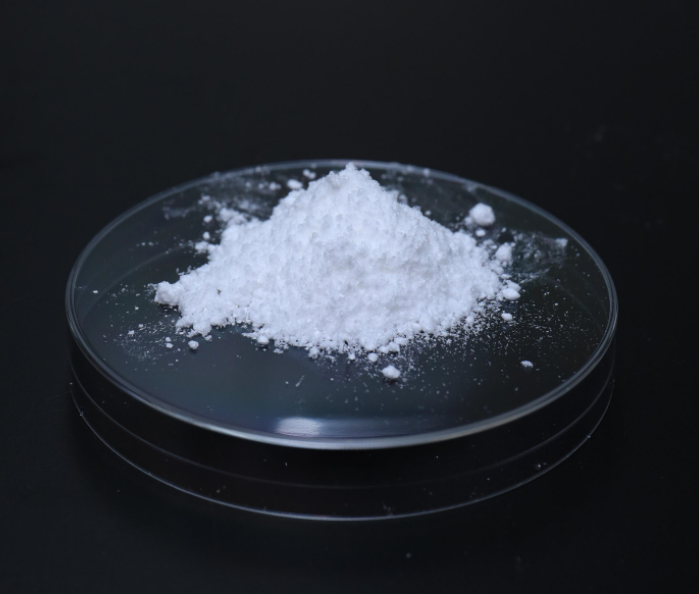
Sodium lauroylsarcosinate is a kind of foaming agent and surfactant. It is a kind of modified fatty acid of lauroyl sarcosine salt (decomposed from creatine or caffeine). It is often used in shampoo, shower gel, cleanser and shaving products as foaming agent, surfactant and hair conditioner.
Suppliers
View More Vendors (4) >
Active matter content 29.0~31.0%
/
Cosmetic Grade
200kg
/
Plastic Drum
CAS:137-40-6
Molecular Formula:C3H5NaO2
Alias
More Information
Bioban-S; Propionate Sodium Salt; Propanoic Acid, Sodium Salt; Mycoban; Keenate; Sodium N-Propionate; Propionic Acid Sodium Salt; Spac; Propisol; Impedex; Deketon; Whit-Pro; Propion; Napropion; Sodiumpropanoate
Brief Introduction
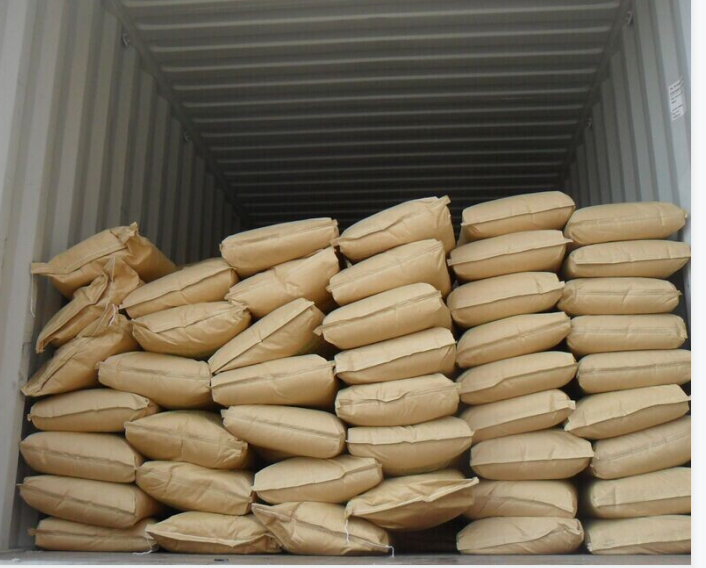
Sodium propionate is an acid preservative, and its antibacterial effect is affected by pH. The mic was 0.01% at pH5.0 and 0.5% at pH6.5. In acidic medium, it has strong inhibitory effect on all kinds of mold, aerobic Bacillus or Gram-negative bacilli. It is effective to prevent the production of aflatoxin, but almost ineffective to yeast. As a preservative, sodium propionate is mainly used in food, feed and cosmetics. Sodium propionate is used as a masking agent in leather making to improve the alkali resistance and tanning uniformity of leather.
Suppliers
View More Vendors (4) >
FAQ--WHO 1995; 99.0%
/
Food Grade
25kg
/
Paper Bag
Inquiry (
10
/ 10
)
Clear All
Sign In
Error!