
CAS:1194-65-6
Molecular Formula:C7H3Cl2N
Alias
More Information
2,6-Dichloro-Benzonitrile; 2,6-Dichlorobenznitrile; 2,6-Dichlorobenzonitrile,Dichlobenil; Benzonitrile, 2,6-Dichloro-; Ethyl-2,6-Dichlorbenzoat; 2,5-Dichloro-3,4,6-Trifluorobenzenethiol; Dichlobenil; 2,6-Dichloro-Benzoic Acid Ethyl Ester; 2,6-Dichloro Benzonitrile; 2,6-Dichlor-Benzoesaeure-Aethylester; Silbenil; Niagara 5006; Akos Bbs-00004654; 2,6-Dichlorobenzonit; 2,6-Dcbn; 2,6-Dichlorobenzonitrile, 1Gm, Neat; Dichlobenil Pestanal (2,6-Dichloro- Benz
Brief Introduction
2,6-Dichlorobenzonitrile itself is a herbicide variety diquaturon, and it is also an important intermediate in the synthesis process of benzoylurea insecticides. It is used to synthesize the next intermediate 2,6-difluorobenzonitrile, and finally get flufenuron, diflubenzuron, flupicuron, delphamide and other pesticides.
Suppliers
View More Vendors (2) >
CAS:119446-68-3
Molecular Formula:C19H17Cl2N3O3
Alias
More Information
1-((2-(2-Chloro-4-(4-Chlorophenoxy)Phenyl)-4-Methyl-1,3-Dioxolan-2-Yl)Methyl)-1H-1,2,4-Triazole; Diflubenzuron; Difenoconazol; 3-Chloro-4-[(2Rs,4Rs; 1-[[2-[2-Chloro-4-(4-Chlorophenoxy)Phenyl]-4-Methyl-1,3-Dioxolan-2-Yl]Methyl]-1,2,4-Triazole; (2Rs,4Sr)-4-Methyl-2-(1H-1,2,4-Triazol-1-Ylmethyl)-1,3-Dioxolan-2-Yl]Phenyl 4-Chlorophenyl Ether; Dividend; 3-Chloro-4-4-Methyl-2-(1H-1,2,4-Triazol-1-Ylmethyl)-1,3-Dioxolan-2-Y14-Chlorophenylether; Difenoconazole E.C.
Brief Introduction
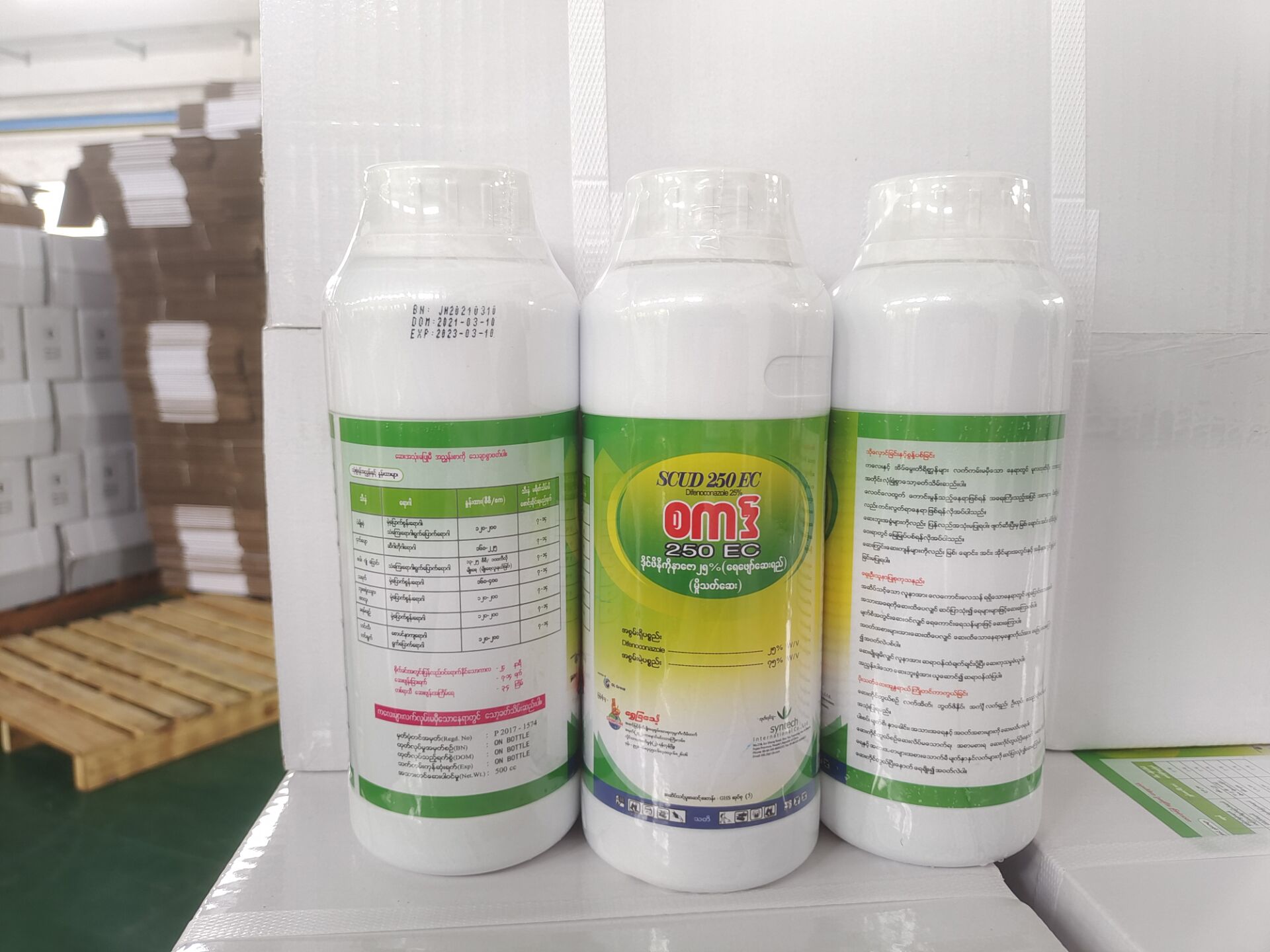
Difenoconazole, a triazole fungicide, is a sterol demethylation inhibitor with high efficiency, broad spectrum, low toxicity and low dosage. It is an excellent variety of triazole fungicides with strong internal absorption. It can destroy the structure and function of pathogen cell membrane by inhibiting the biosynthesis of ergosterol in pathogen cells. It is used in fruit trees, vegetables, wheat, potatoes, beans, etc Cucurbits and other crops have good protection and treatment effects on vegetables, fruits and other fungal diseases, and have the characteristics of "three no" (no pollution of the environment, no pollution of agricultural products, no killing of natural enemies). They are ideal fungicides for controlling citrus scab, leaf spot and other crop resistant diseases in China and even in the world.
Suppliers
View More Vendors (2) >
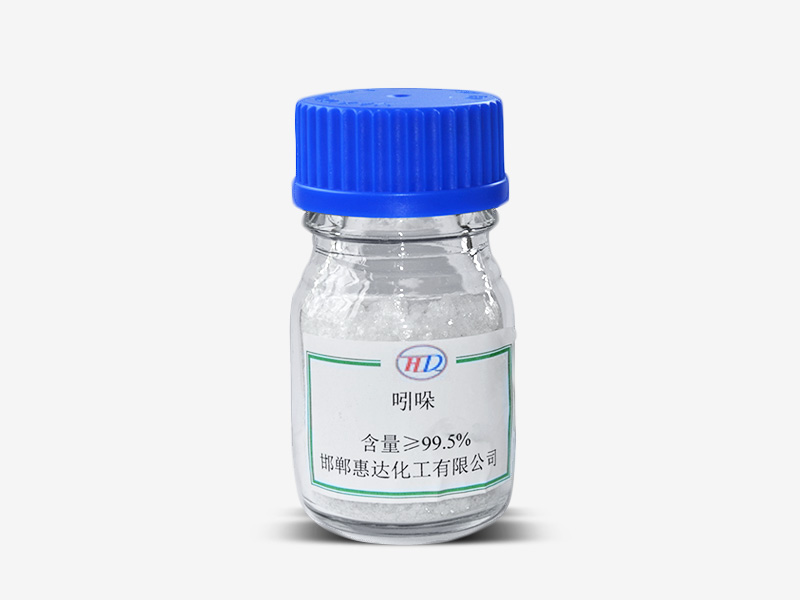
CAS:120-72-9
Molecular Formula:C8H7N
Alias
More Information
1H-Benzo[B]Pyrrole; 1-Azaindene; Ketole; Indole; Benzopyrrole; 2,3-Benzopyrole; 2,3-Benzopyrrole; 1-Benzazole; Indol; Fema 2593; Benzo(B)Pyrrole; Indolegr; 2,3-Benzopyrrole,Orbenzazole,Indole; Indole Crystalline Gr; Indole-15N
Brief Introduction
Indole exists in feces, coal tar, jasmine oil and Neroli oil. It is colorless, lobular or plate-shaped crystal. It has strong fecal odor. The pure product has fresh flower odor after dilution. It is soluble in hot water, benzene and petroleum. It is easily soluble in ethanol, ether and methanol. It can volatilize with water vapor. It turns red when placed in air or visible light, and resinifies. It is weakly acidic and forms salt with alkali metals, It is resinified or polymerized with acid. The highly diluted solution has jasmine fragrance and can be used as perfume. Indole is an important organic raw material and fine chemical product. Its homologues and derivatives widely exist in nature, mainly in natural flower oil, such as jasmine, sweet orange, white lemon, pomelo peel, orange, bitter orange, Narcissus, vanilla, etc. It can be widely used in jasmine, Syringa, orange blossom, gardenia, honeysuckle, lotus, Narcissus, Yilan, orchid, and prune. It is often used in combination with methyl indole to make artificial civet flavors. It can be used in chocolate, raspberry, strawberry, bitter orange, coffee, nuts, cheese, grape and fruit flavor compound.
Suppliers
View More Vendors (2) >
CAS:120116-88-3
Molecular Formula:C13H13ClN4O2S
Alias
More Information
Fendazosulam; 4-Chloro-2-Cyano-N,N-Dimethyl-5-(4-Methylphenyl)-1H-Imidazole-1-Sulfonamide; 4-Chloro-1-(Dimethylaminosulfonyl)-5-(P-Tolyl)Imidazole-2-Carbonitrile
Brief Introduction
Cyazofamid is a kind of sulfaimidazole fungicide. It has high biological activity against oomycetes such as Phytophthora, frost mold, pseudofrost mold, Pythium and Brassica Rhizopus. Suitable crops are potatoes, grapes and vegetables (cucumber, cabbage, tomato, onion and lettuce). The control objects are downy mildew and epidemic diseases, such as cucumber downy mildew, grape downy mildew, tomato late blight, potato late blight, etc.
Suppliers
View More Vendors (2) >

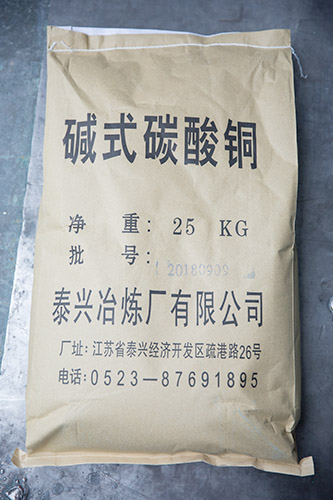
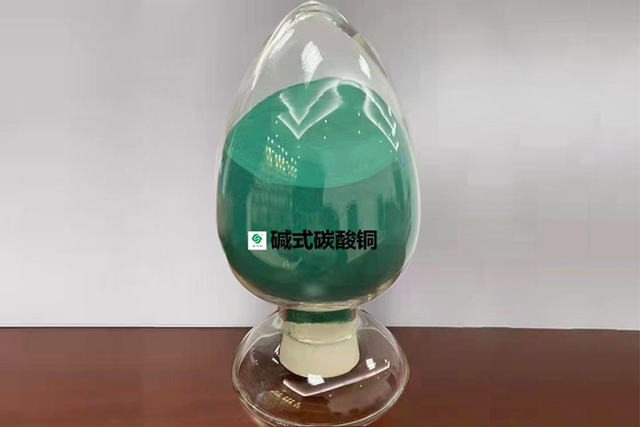
CAS:12069-69-1
Molecular Formula:Cu2(OH)2CO3
Alias
More Information
Cupric Carbonate Basic; Copper Hydroxide Carbonate; Cuprum Carbonicum; Copper(II) Carbonate Hydroxide; Basic Copper(II) Carbonate
Brief Introduction
[application 1] used in catalyst, fireworks, pesticide, pigment, feed, bactericide, electroplating, anti-corrosion and other industries and manufacturing copper compounds.
[Purpose 2] used as analytical reagent and insecticide.
[application 3] it is used in organic catalysts, fireworks manufacturing and pigments. In agriculture, it is used as an agent to prevent plant smut, an insecticide and an antidote to phosphorus toxicity, and as a fungicide for seeds; Mixing with asphalt can prevent livestock and wild rats from gnawing saplings; It is used as an additive for copper in feed, a dealkaline agent and a raw material for the production of copper compounds when crude oil is stored. It can also be used for electroplating, anti-corrosion and analytical reagents.
[application 4] paint color, fireworks, insecticides, seed treatment fungicides, preparation of other copper salts, solid phosphor activators.
Suppliers
View More Vendors (2) >
Inquiry (
10
/ 10
)
Clear All
Sign In
Error!