
CAS:133-32-4
Molecular Formula:C12H13NO2
Alias
More Information
Beta-Indolebutyricacid; 4-(3-Indolyl)Butyric Acid; 3-Indolebutyricacid; Eradix,Indole,Chryzopon,Rootonef,4-Indol-3- Yibutyicacid.; 3-Indolyl-Gamma-Butyricacid; 3-Indolbutyric Acid; 3-Indolebutyric Acid; Indole 3 Butyric Acid; Gamma-(3-Indolyl)Butyricacid; 4-(3-Indolyl)Butyric Acid (4-(3-Indolyl)Butanoic Acid; 4-(1H-Indol-3-Yl)Butanoic Acid; IBA; 1H-Indole-3-Butyricacid; Hormexrootingpowder; 3-Indolebutyric acid (IBA); Kyselina4-Indol-3-Ylmaselina
Brief Introduction
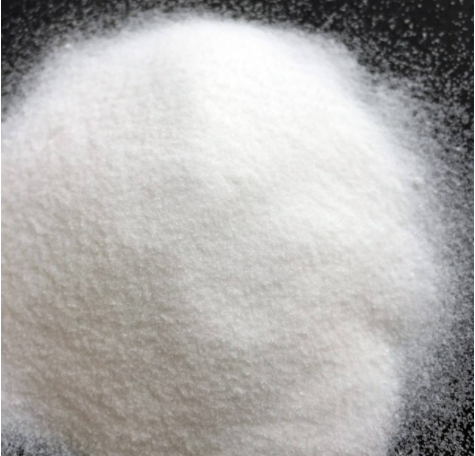
3-indolbutyric acid is not easy to be oxidized in plants, and its conductivity is poor. It has a physiological effect similar to indoleacetic acid and can act on plant cell division and cell growth, but it is not as obvious as indoleacetic acid. It is mainly used to promote cuttings and roots and effectively promote cell division of cambium. It can maintain the efficacy for a long time, form more and slender adventitious roots, and the effect of mixed application with naphthylacetic acid is better. 3-indole butyric acid can be used for cutting and cutting of chrysanthemum and other ornamental plants to promote rooting. The concentration is 0.5 ~ 1.0mg/l, but not for the leaves of plants. Degradation and metabolism: it can degrade rapidly in soil.
Suppliers
View More Vendors (4) >

CAS:134-62-3
Molecular Formula:C12H17NO
Alias
More Information
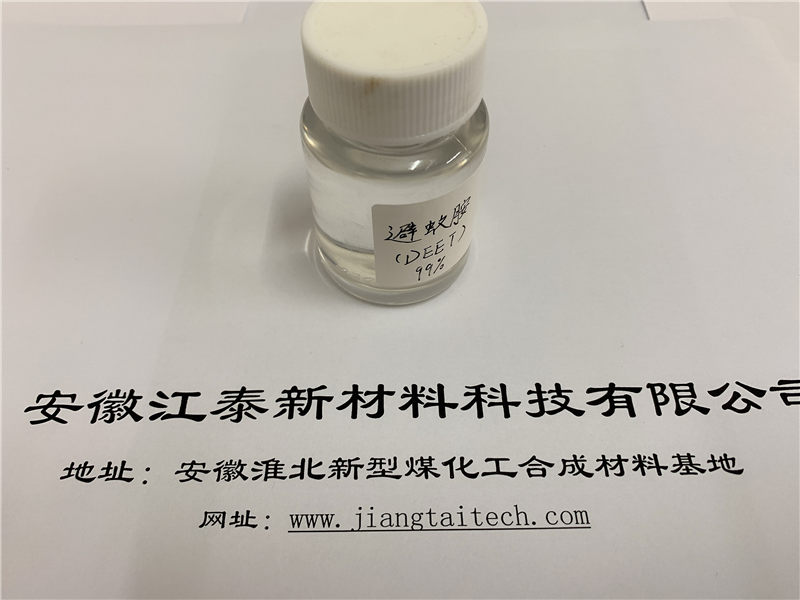
DEET; Diethyl Toluamide; N,N-Diethyl-3-Methyl-Benzamide; Delphene; N,N-Diethyl-3-Methylbenzamide; Flypel; Detamide; Dieltamid; Diethyltoluamide; Metadelphene; N,N-Diethyl-Meta-Toluamide(Mosquito Repellent Chemical); N,N-Diethyl m-Methylbenzamide
Brief Introduction
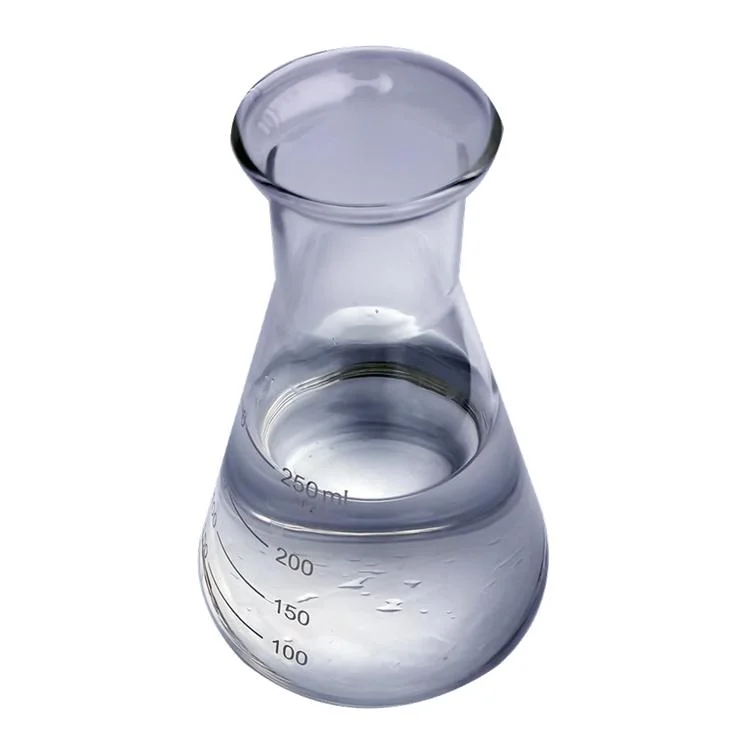
DEET, the chemical name of DEET, is a broad-spectrum insect repellent. It can repel a variety of human biting insects in various environments. It can repel thorn flies, midges, black flies, Chigger Mites, deer flies, fleas, Simulium, horseflies, mosquitoes, sand flies, small flies, barn flies and ticks. DEET was developed and patented by the U.S. Department of agriculture during World War II. The product was designated as a mosquito repellent product for the U.S. Army in 1946. In 1957, it was registered as an insect repellent by the U.S. Environmental Protection Agency. It was first used as an insecticide on farms. Later, the U.S. government applied for its use in wartime, especially in Vietnam and Southeast Asia. According to the statistics of the U.S. Environmental Protection Agency, nearly 40% of Americans use insect repellent containing DEET every year, which has been used by about 200 million people around the world for more than 40 years, Studies by more than 20000 research units have proved that DEET is the safest and most effective broad-spectrum repellent on the market. The World Health Organization also recommends the use of repellent products containing DEET to prevent the invasion of disease vectors. It is often mixed with other insecticides, but its toxicity will increase when mixed with carbamate insecticides.
Suppliers
View More Vendors (4) >
CAS:137-26-8
Molecular Formula:C6H12N2S4
Alias
More Information
Tetramethylthiuram Disulfide; Bis(Dimethylthiocarbamyl) Disulphide; Thiram (TMTD); Tetramethylthiuram Disulphide; 1,1'-Dithiobis(N,N-Dimethylthioformamide); TMTD; TMTD(TT); Rubber Vulcanizing Accelerator TMTD(TT); Thiuram; Tetramethyl Thiuram Disulfide; N1,N1,N3,N3-Tetramethyl-2-Dithioperoxy-1,3-Dithiodicarbonic Diamide
Brief Introduction
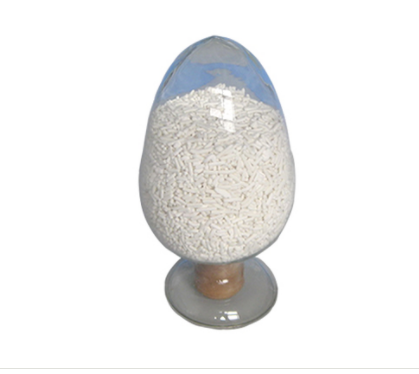
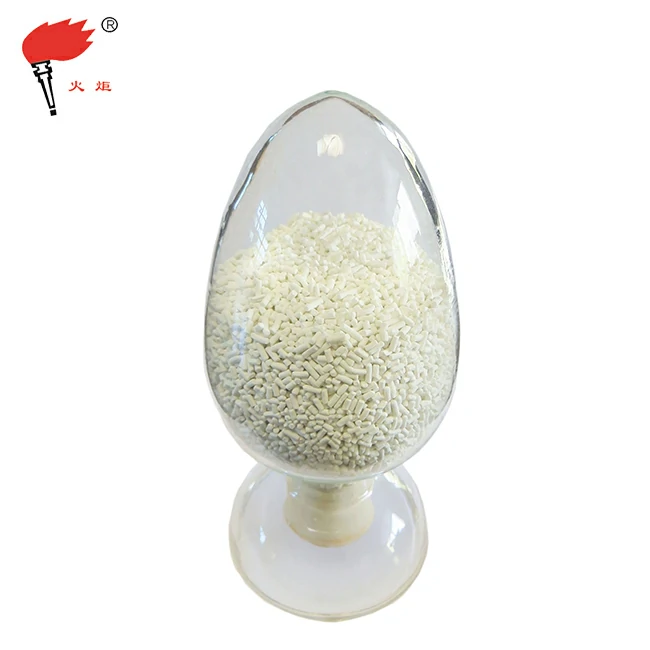
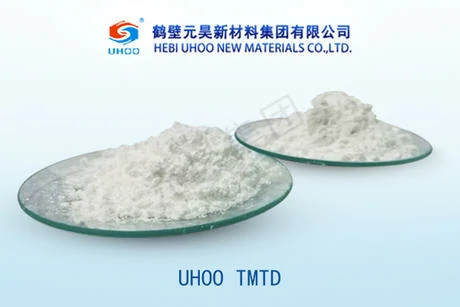
As a pesticide, this product is usually called fumeishuang. It is mainly used to treat seeds and soil and prevent cereal powdery mildew, smut and vegetable diseases. As a super accelerator of natural rubber, synthetic rubber and latex, it is usually called accelerator TMTD. It is the representative of thiuram vulcanization accelerator, accounting for 85% of the total amount of similar products. As a super accelerator of natural rubber, diene synthetic rubber, Ⅱ, R and EPDM, it is one of the most utilized. The vulcanization promoting force is very strong, but when there is no zinc oxide, it is not vulcanized at all.
Suppliers
View More Vendors (4) >
CAS:14168-73-1
Molecular Formula:H2MgO5S
Alias
More Information
Magnesium Sulfate Hydrate; Magnesium Sulphate Monohydrate; Sulfuric acid, Magnesium salt Hydrate
Brief Introduction
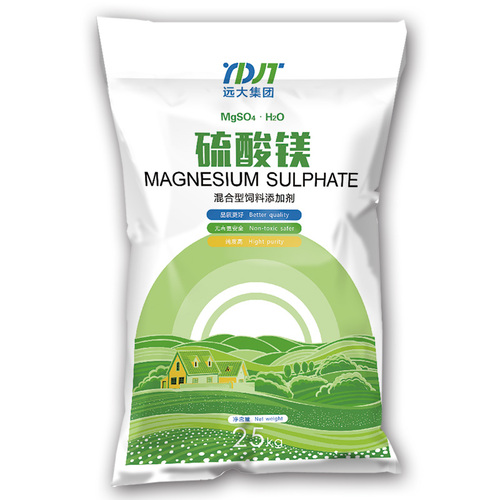
Magnesium sulfate monohydrate is an important inorganic agricultural product, which is very popular in the domestic feed and fertilizer industry. When manufacturing compound fertilizer, magnesium sulfate monohydrate is used as drying additive, which is not only economical and practical, cheap and easy to obtain, significantly improves product performance, and will not harden into blocks in the process of storage and transportation, but also increases the material flow of the production line and increases the product output. In addition, magnesium sulfate monohydrate is rich in sulfur and magnesium, which are beneficial to crop growth. Therefore, using magnesium sulfate monohydrate as a special compound fertilizer drying additive can not only solve the problem of product drying, but also improve the yield increase effect of compound fertilizer, further increase crop yield, and the benefit is very significant.
Suppliers
View More Vendors (4) >
CAS:15708-41-5
Molecular Formula:C10H12FeN2NaO8
Alias
More Information
Edta Iron(Iii) Sodium Salt; Ethylenediaminetetraacetic acid Ferric Sodium salt; Edta-Fe-13; EDTA-FeNa; Sodium Iron Edta; Ethylenediaminetetraacetic Acid Monosodium; Sodium Iron Ethylenediamine Tetraacetic Acid; Ethylenediaminetetraacetic Acid Iron Sodium Salt Hydrate; Ethylenediaminetetraacetic Acid Iron(III) Sodium Salt Hydrate; Iron(III) Sodium Ethylenediaminetetraacetate Hydrate; Sodium,2-[2-[bis(Carboxylatomethyl)Amino]Ethyl-(Carboxylatomethyl)Amino]Acetate,iron(3+); Ethylenediaminetetraacetic acid fe; Ethylenediaminetetraacetic acid Monosodium Ferric salt; EDTA iron(III) Sodium salt,Edathamil,Ethylenediaminetetraacetic acid iron(III) Sodium salt; Ethylenediaminetetraacetic acid,Ferric Sodium salt Trihydrate; Ethylenediaminetetraacetic Acid Ferric Sodium Salt Hydrate; Ferric Sodium Ethylenediaminetetraacetate Hydrate; EDTA-FeNa.3H2O; Ethylenediaminetetraacetic Acid Monosodium Ferric Salt Hydrate; Ferrostrane; Ferrostrene
Brief Introduction
It is mainly used as complexing agent, oxidant, photographic material developing agent, bleaching agent and black-and-white film thinning agent.
Suppliers
View More Vendors (4) >
content of ethylenediamine tetraacetic acidt:65.5-70.5%
/
Tech Grade
25kg
/
Paper Bag
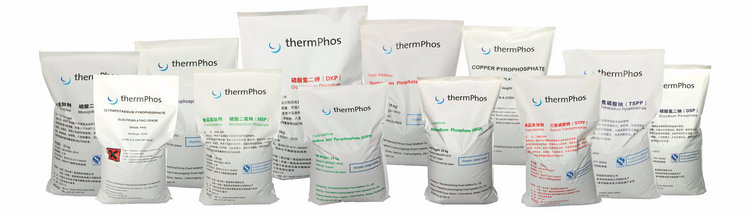
Thermphos (Jiangsu) Technology Co.,Ltd.
10kg
/
-
Inquiry (
10
/ 10
)
Clear All
Sign In
Error!