
Antioxidant
Other Auxiliary Agent
Petroleum Additives
Adsorbent
Water Treatment Chemicals
Rubber Additives
Adhesive Additives
Cross-Linking Agent
Flame Retardants
UV Absorbers
Organic Extractant
Resin Additives
Electronics Chemicals
Pesticide Additives
Building Chemicals
Plastic Additives
Oilfield Chemicals
Adhesive
Plastic Rubber Chemicals
Paper Additives
Molecular Sieve
Coating Additives
Textile Auxiliaries
Fluorescent Brightener
Polyethylene Glycol Derivatives
Coupling
Forest Chemicals
Leather Auxiliary Agents
Beneficiation Agents and Smelting Additives
Dye Auxiliaries
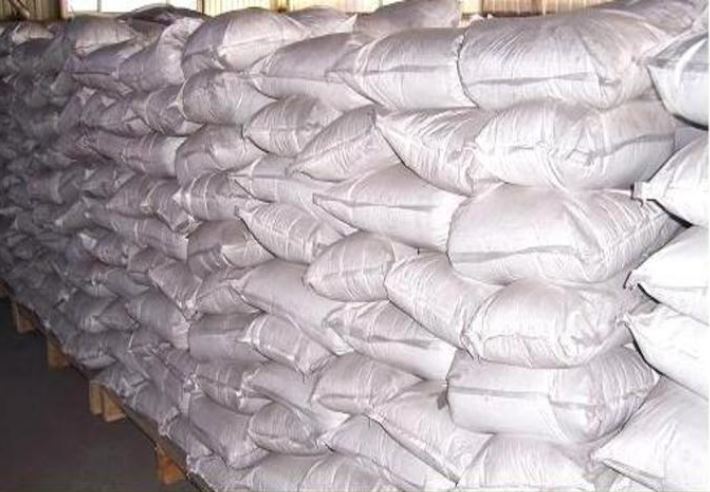
CAS:88-44-8
Molecular Formula:C7H9NO3S
Alias
More Information
4B Acid; 2-Amino-5-Methylbenzenesulfonic Acid; 4-Aminotoluene-3-Sulphonic Acid; P-Toluidine-2-Sulfonic Acid
Brief Introduction
This product is mainly used in the production of pigments, is an important intermediate of organic pigments.
Suppliers
View More Vendors (2) >
CAS:101-77-9
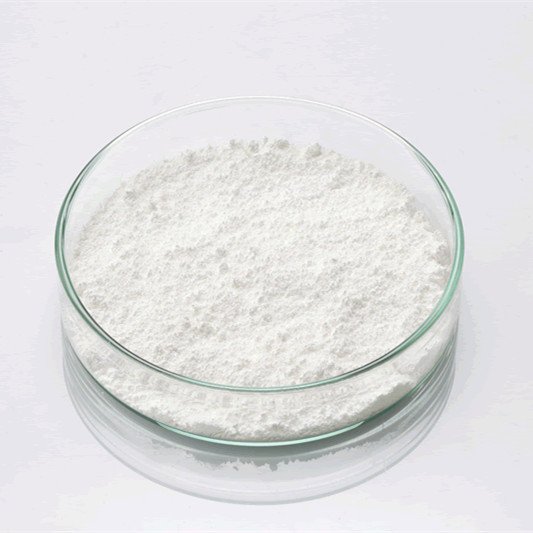
Molecular Formula:C13H14N2
Alias
More Information
Curithane; Mda; Ancaminetl; Tonox 22; Benzenamine, 4,4'-Methylenebis-; 4,4'-Methylenedianiline; Tonox; Ht 972; Dadpm; Tonox R; Sumicurem; Bis-P-Aminophenylmethane; 4,4-Methylene Dianiline; Diamino Diphenyl Methane (DDM)
Brief Introduction
Used in the production of insulating materials, dyes, diisocyanates, polyurethane rubber, H-class adhesives, epoxy resin curing agent, etc; Epoxy resin curing agent, rubber antioxidant and antioxidant, intermediate for synthesis of MDI, also used for determination of tungsten and sulfate.
Suppliers
View More Vendors (2) >
Heze Yonghui Composite Materials Co.,Ltd.

4,4'-Diaminodiphenylmethane
/
-
CAS:10387-40-3
Molecular Formula:C2H3KOS
Alias
More Information
S-Potassium Thioacetate; Potassium Thioacetic; Potassium Thiacetate; Mecosk; Thiolacetic Acid Potassium Salt; Potasium Thioacetate; Potassium Thioacete; Ktaa; Potassium Thioacetat; Thioacetic Acid Potassium Salt; Potassium Ethanethioate; Thioacetic Acid S-Potassium Salt; Potassium Thiolacetate; K-Thioacetate; Ethanethioic Acid Potassium Salt; Acetic Acid, Thio-, Potassium Salt; Potassium Thioethanoate; Kaliumthioacetat
Brief Introduction
Potassium thioacetate is widely used as a sulfur source in the synthesis of sulfur-containing organic compounds. Potassium thioacetate is mainly used in the synthesis of heterocyclic compounds, polymers, transition metal ligands, nanoparticles, bioactive molecules and complexes containing macromolecules.
Suppliers
View More Vendors (2) >
CAS:108-20-3
Molecular Formula:C6H14O
Alias
More Information
DIPE; Isopropyl Oxide; 2-Isopropoxypropane; Diisopropyl Ether; I-Propyl Ether; Diisopropyloxide; Ether,Isopropyl; 1,1'-Dimethyldiethyl Ether; 1-Methyl-1-(1-Methylethoxy)Ethane; 2,2'-Oxybis-Propan; 2,2'-Oxybispropane; 2,2'-Oxybis-Propane
Brief Introduction
Isopropyl ether is a good solvent for animal, vegetable and mineral oils, which can be used to extract nicotine from tobacco; It is also a good solvent for paraffin and resin.Isopropyl ether is often mixed with other solvents in the dewaxing process of paraffin based oil. As a solvent, diisopropyl ether is also used in pharmacy, smokeless powder, coating and paint cleaning. Isopropyl ether has high octane number and frost resistance, and can be used as gasoline admixture. This product is easy to form peroxide, which will explode when shaking. P-benzylaminophenol is often added as stabilizer. The anesthetic effect of Isopropyl ether is lighter than that of ether, but the duration of anesthesia is longer.
Suppliers
View More Vendors (2) >
CAS:108-45-2
Molecular Formula:C6H8N2
Alias
More Information
Benzene-1,3-Diamine; Meta-Phenylenediamine (Mpd); 1,3-Benzenediamine; 1,3-Phenylenediamine; Diaminobenzene; Meta-Aminoaniline; meta Phenylene Diamide; Meta-Phenylenediamine; META Phenylene Diamine
Brief Introduction
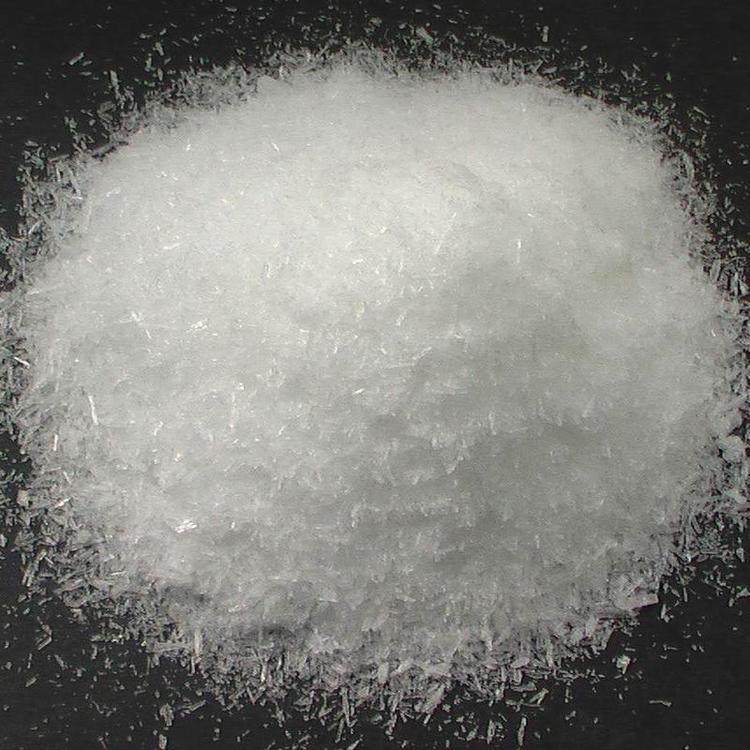
1,3-phenylenediamine appears as colorless or white colored needles that turn red or purple in air. Melting point 64-66 C. Density 1.14 g / cm3. Flash point 280 F. May irritate skin and eyes. Toxic by skin absorption, inhalation or ingestion. Used in aramid fiber manufacture, as a polymer additive, dye manufacturing, as a laboratory reagent, and in photography.
Suppliers
View More Vendors (2) >
Inquiry (
10
/ 10
)
Clear All
Sign In
Error!