
Antioxidant
Other Auxiliary Agent
Petroleum Additives
Adsorbent
Water Treatment Chemicals
Rubber Additives
Adhesive Additives
Cross-Linking Agent
Flame Retardants
UV Absorbers
Organic Extractant
Resin Additives
Electronics Chemicals
Pesticide Additives
Building Chemicals
Plastic Additives
Oilfield Chemicals
Adhesive
Plastic Rubber Chemicals
Paper Additives
Molecular Sieve
Coating Additives
Textile Auxiliaries
Fluorescent Brightener
Polyethylene Glycol Derivatives
Coupling
Forest Chemicals
Leather Auxiliary Agents
Beneficiation Agents and Smelting Additives
Dye Auxiliaries
CAS:80443-63-6
Molecular Formula:C14H19ClO
Alias
More Information
2-Tert-Butyl-2-[2-(4-Chlorophenyl)Ethyl]Oxirane; 2-[2-(4-Chlorophenyl) Ethyl]-2-(1,1-Dimethyl) Oxirane
Brief Introduction
The molecular formula of 2-tert-butyl-2-[2-(4-chlorophenyl)ethyl]oxirane is C14H19ClO.
Suppliers
View More Vendors (2) >
![2-[2-(4-Chlorophenyl)Ethyl]-2-(1,1-Dimethylethyl)-Oxirane](https://res.chemball.com/upload2/a16447a6-a13f-4528-8fc8-5d68e252ed6f.png)
![2-[2-(4-Chlorophenyl)Ethyl]-2-(1,1-Dimethylethyl)-Oxirane](https://res.chemball.com/upload2/44b84511-a4bb-4082-8012-909ec540d7e5.jpg)
CAS:81810-66-4
Molecular Formula:C18H14N2O3
Alias
More Information
1-(3-Methyl-1,4-Dioxido-2-Quinoxalinyl)-3-Phenyl-2-Propen-1-One; 3-Methyl-2-Quinoxalinbenzenevinylketo-1,4-Dioxide; 2-Cinnamoyl-3-Methylquinoxaline 1,4-Dioxide; 3-Methyl-2-Cinnamoyl-Quinoxaline-1,4-Dioxide; 1-(3-Methyl-2-Quinoxalinyl)-3-Phenyl-2-Propen-1-One N,N'-Dioxide; (E)-1-(3-Methyl-4-Oxido-1-Oxoquinoxalin-1-Ium-2-Yl)-3-Phenylprop-2-En-1-One
Brief Introduction
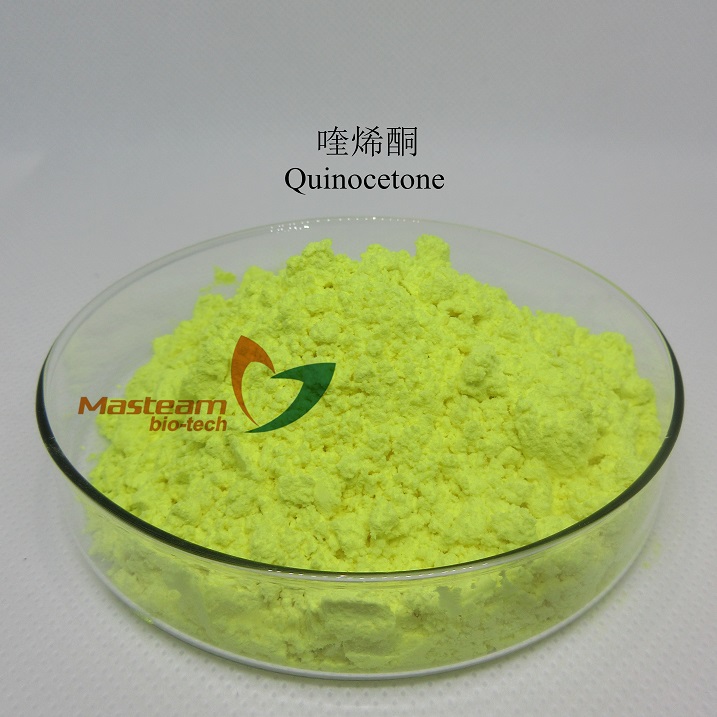
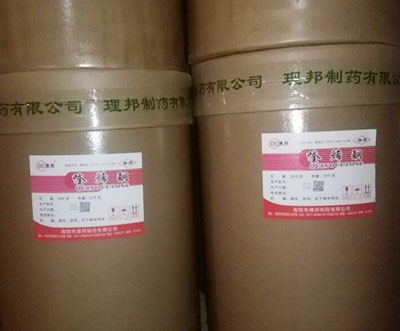
Quinoenone is a national new drug officially approved by the Ministry of agriculture in August 2003. It is a new veterinary drug initiated by China in the world. The drug has the characteristics of bacteriostasis, safe use, rapid metabolism and obvious effect. It is not only suitable for pigs, birds and aquatic products, but also suitable for disease prevention and growth promotion of young livestock and young birds.
Suppliers
View More Vendors (2) >
CAS:84-66-2
Molecular Formula:C12H14O4
Alias
More Information
1,2-Benzenedicarboxylic Acid Diethyl Ester; DEP; Diethyl-O-Phthalate; Ethyl Phthalate; Phthalic Acid, Bis-Ethyl Ester; Phthalic Acid Diethyl; Phthalic Acid Diethyl Ester; Phthalol; 1,2-Benzenedioicacid,Diethylester; 1,2-Diethyl Phthalate
Brief Introduction
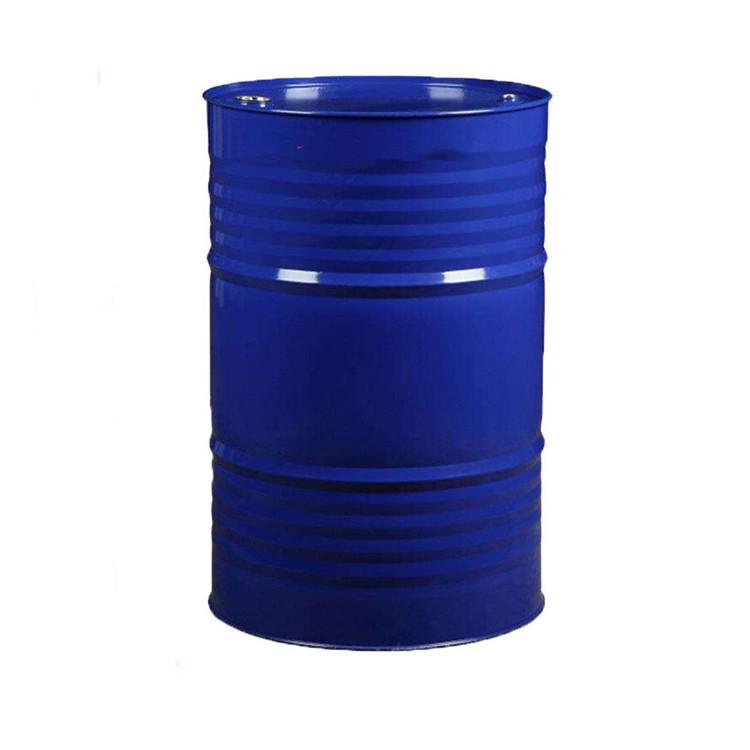
Diethyl phthalate appears as a clear, colorless liquid without significant odor. More dense than water and insoluble in water. Hence sinks in water. Primary hazard is to the environment. Spread to the environment should be immediately stopped. Easily penetrates soil, contaminates groundwater and nearby waterways. Flash point 325°F. Severely irritates eyes and mildly irritates skin. Used in the manufacture of perfumes, plastics, mosquito repellents and many other products.
Suppliers
View More Vendors (2) >
CAS:84434-11-7
Molecular Formula:C18H21O3P
Alias
More Information
Ethyl (2,4,6-Trimethylbenzoyl) Phenylphosphinate; 4-Benzoresorcinol; 4-Benzoylresorcinol; Jrcure Tpo-L; Pi-Tpo-L; Photo Sensitizer Tpo-L; Phenyl(2,4,6-Trimethylbenzoyl)Phosphinic Acid Ethyl Ester; Synsorb; Photoinitiator TPO-L
Brief Introduction
2,4,6-trimethylbenzoyl phenyl phosphonate ethyl ester (photoinitiator tpo-l) is a liquid photoinitiator, which is used in the formulation system with low yellowing and low odor. It is commonly used in the fields of silk screen printing ink, lithographic printing ink, flexo printing ink, photoresist, gloss coating paint, printing plate and so on.
Suppliers
View More Vendors (2) >
CAS:84852-53-9
Molecular Formula:C14H4Br10
Alias
More Information
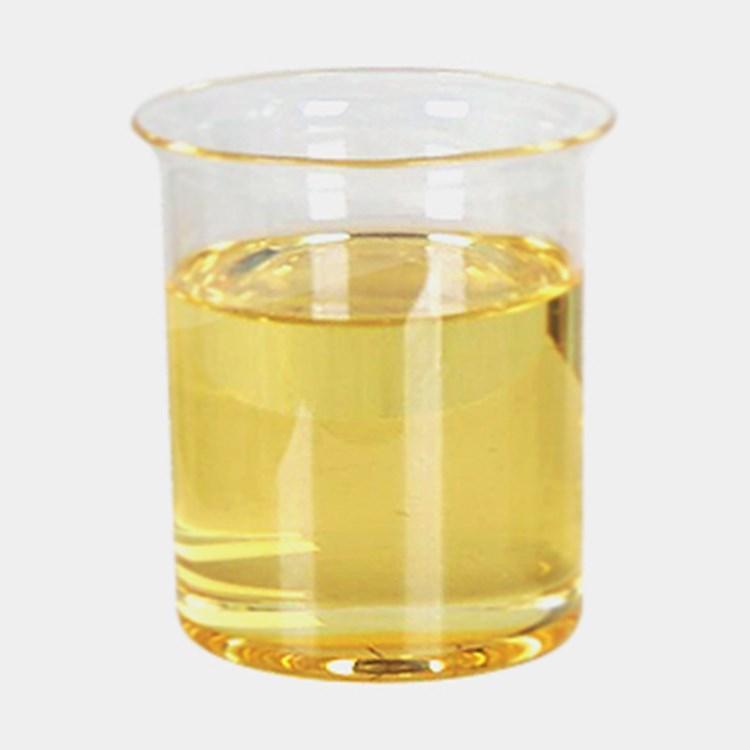
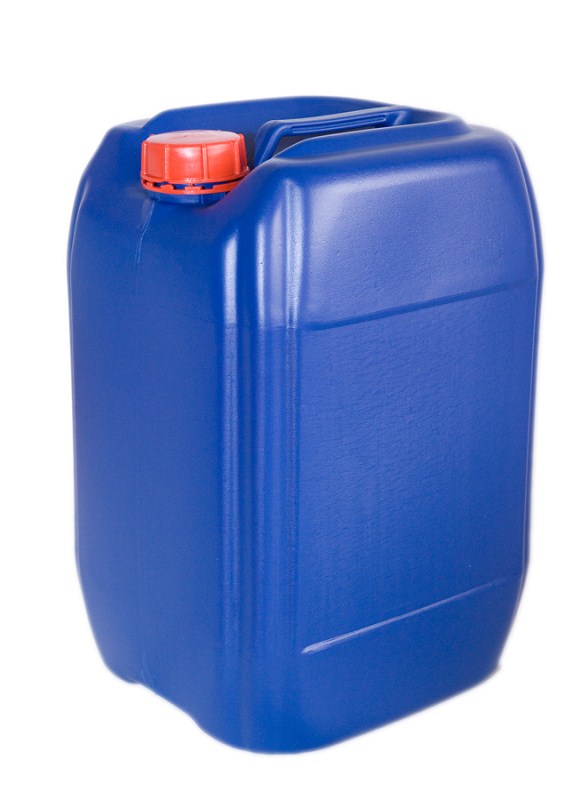
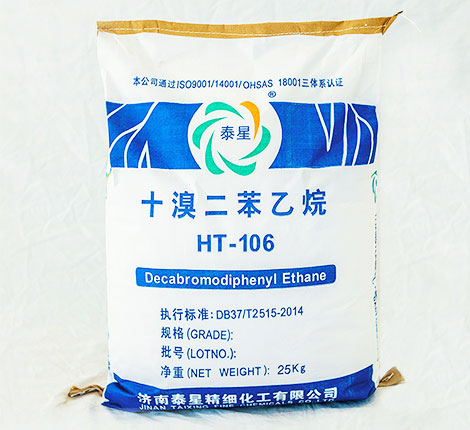
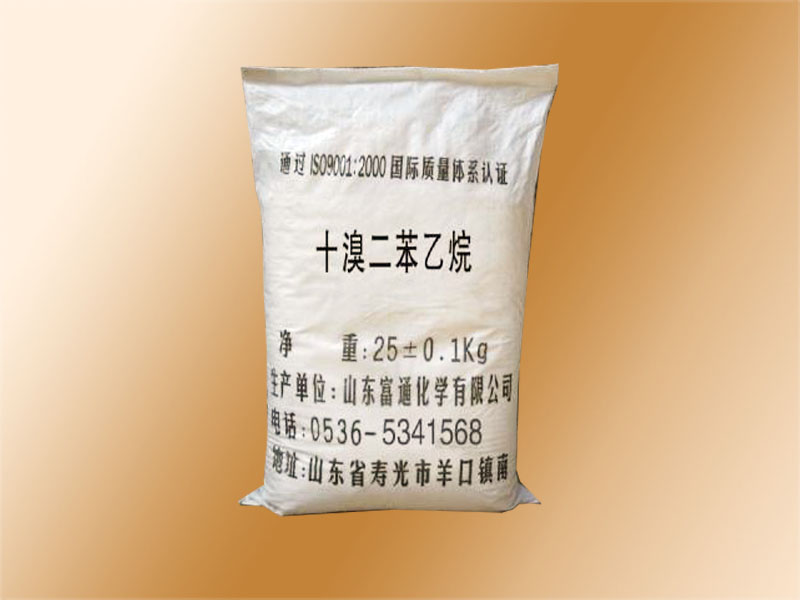
Decabromodiphenyl Ethane; 1,2-Bis(Pentabromophenyl) Ethane; 1,1'-Ethane-1,2-Diylbis(Pentabromobenzene); 1,2,3,4,5-Pentabromo-6-[2-(2,3,4,5,6-Pentabromophenyl)Ethyl]Benzene; Benzene, 1,1'-(1,2-Ethanediyl)Bis(2,3,4,5,6-Pentabrom; Decabromodiphenylethane
Brief Introduction
This product is a new, broad-spectrum, efficient, additive and environment-friendly flame retardant with excellent thermal stability and high bromine content. It also has the advantages of strong UV resistance and low toxicity. It is widely used in styrene polymers, engineering thermoplastics, wire and cable coatings, insulators, elastomers and thermosetting plastics.
Suppliers
View More Vendors (2) >
Inquiry (
10
/ 10
)
Clear All
Sign In
Error!