
Antioxidant
Other Auxiliary Agent
Petroleum Additives
Adsorbent
Water Treatment Chemicals
Rubber Additives
Adhesive Additives
Cross-Linking Agent
Flame Retardants
UV Absorbers
Organic Extractant
Resin Additives
Electronics Chemicals
Pesticide Additives
Building Chemicals
Plastic Additives
Oilfield Chemicals
Adhesive
Plastic Rubber Chemicals
Paper Additives
Molecular Sieve
Coating Additives
Textile Auxiliaries
Fluorescent Brightener
Polyethylene Glycol Derivatives
Coupling
Forest Chemicals
Leather Auxiliary Agents
Beneficiation Agents and Smelting Additives
Dye Auxiliaries
CAS:7414-83-7
Molecular Formula:C2H6Na2O7P2
Alias
More Information
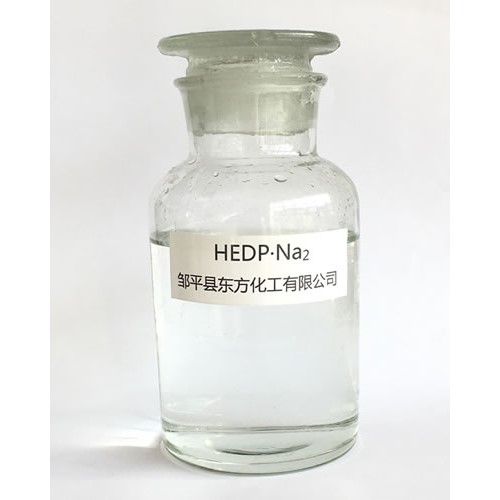
HEDP•Na2; Sodium Etidronate; Disodium Etidronate; Etidronate Disodium Hydrate; Disodium (1-Hydroxyethylidene)Diphosphonate; Disodium Ethydronate; Disodium salt of 1-Hydroxy Ethylidene-1,1-Diphosphonic Acid; Disodium of 1-Hydroxy Ethylidene-1,1-Diphosphonic Acid(HEDP•Na2 ); Disodium Ethanol-1,1-Diphosphonate; 1-Hydroxyethylidene-1,1-Diphosphonic acid Disodium salt; Phosphonic acid, (1-Hydroxyethylidene)bis-, Disodium salt; (1-Hydroxyethylidene)Diphosphonic acid, Disodium salt; Disodium of 1-Hydroxy Ethylidene-1,1-Diphosphonic Acid
Brief Introduction
This product can be used as a bone resorption inhibitor for primary osteoporosis and postmenopausal osteoporosis.
This product is an organic phosphonic acid scale and corrosion inhibitor, which can form a stable complex with iron, copper, zinc and other metal ions and dissolve the oxides on the metal surface. It can still play a good role of corrosion and scale inhibition at 250 ℃. Used as water treatment additive.It is widely used in scale and corrosion inhibition of industrial circulating cooling water systems such as electric power, chemical industry, metallurgy and chemical fertilizer, medium and low pressure boilers, oilfield water injection and oil pipeline
Suppliers
View More Vendors (3) >
Active Substance≥89.8-95.8%
/
Tech Grade
25kg
/
Woven Bag
Shandong Changlian Fine Chemical Co.,Ltd.
≥74.0-79.0
/
Tech Grade
25kg
/
Woven Bag
CAS:75-91-2
Molecular Formula:C4H10O2
Alias
More Information
TBHP; Hydroperoxide, 1,1-Dimethylethyl; 2-Hydroperoxy-2-Methylpropane; 1,1-Dimethylethyl Hydroperoxide; 1,1-Dimethylethylhydroperoxide; Dimethylethyl Hydroperoxide; Butyl Hydroperoxide; Cadox tbh; Hydroperoxide, 1,1-Dimethylethyl; Perbutyl H; Trigonox
Brief Introduction
Tert butyl hydrogen peroxide (TBHP) is one of the most commonly used alkyl hydroperoxides. Commodities are generally light yellow transparent nonvolatile liquid, slightly soluble in water and miscible with organic solvents. Butyl hydrogen peroxide is mainly used as initiator for free radical reaction or polymerization in industry. Compared with most other initiators, the decomposition products of TBHP are acidic. The decomposition products of TBHP are tert butyl alcohol (TBA) and a small amount of acetone, which has no corrosion to the equipment, so the requirements for the device are not high.
Suppliers
View More Vendors (3) >
GFZ Ta-W70; Active oxygen content: 12.43%
/
Tech Grade
200kg
/
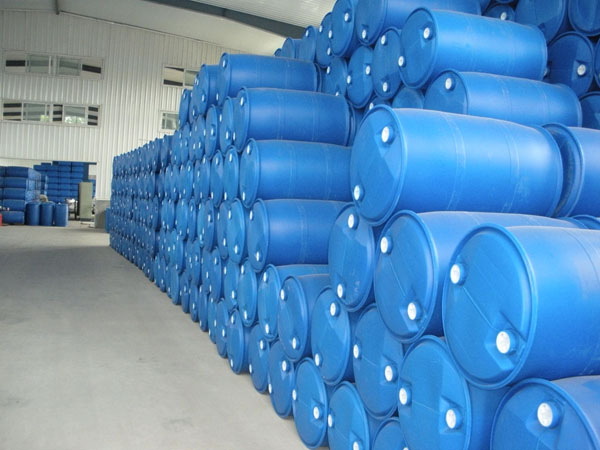
Iron Drum
CAS:75980-60-8
Molecular Formula:C22H21O2P
Alias
More Information
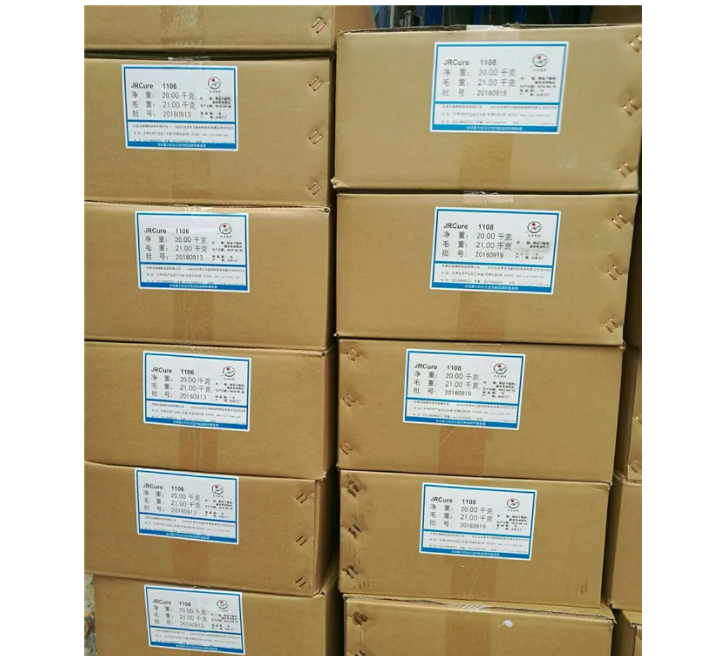
Diphenyl-(2,4,6-Trimethylbenzoyl)-Phosphine Oxide; (Diphenylphosphoryl)(Mesityl)Methanone; Phosphine Oxide, Diphenyl(2,4,6-Trimethylbenzoyl)-; Diphenylphosphoryl-(2,4,6-Trimethylphenyl)Methanone; Yf-Pi Tpo; Iht-Pi Tpo; Photosensitizer TPO; Photo Sensitizer TPO; Photoinitiator Jrcure-1108; TPO
Brief Introduction
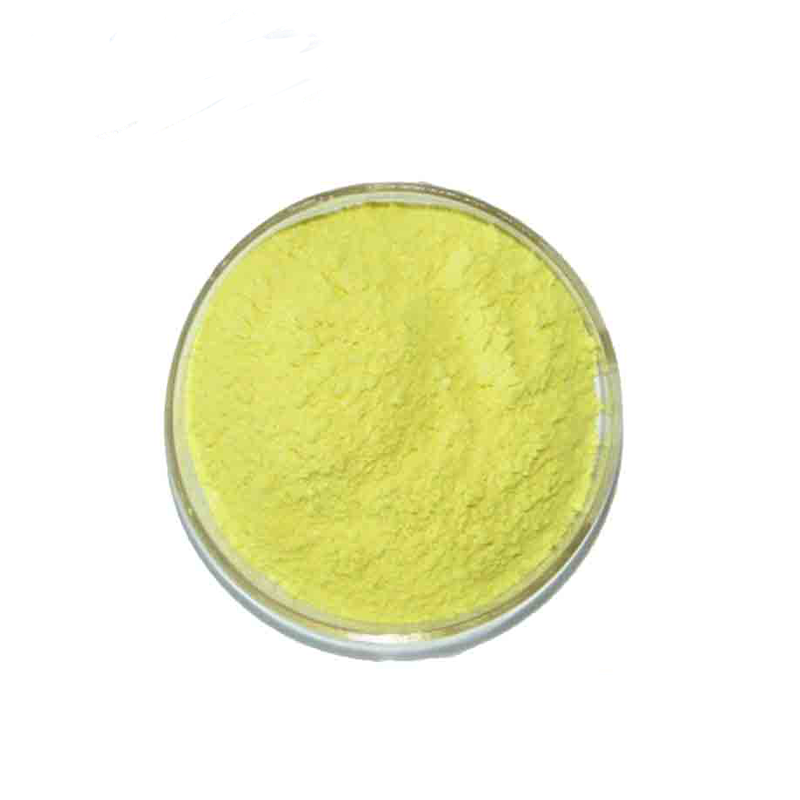
As photoinitiator, it is mainly used for silk screen printing ink, lithographic printing ink, flexo printing ink and wood coating. TPO can be completely cured on the pigmented surface of white or high titanium dioxide. It is widely used in various coatings. Because of its excellent absorption performance, it is especially suitable for silk screen printing ink, lithography, flexographic ink and wood coating. The coating does not turn yellow, the post polymerization effect is low and there is no residue. It can also be used for transparent coating, especially for products with low odor requirements. When used alone in unsaturated polyester containing styrene system, it has high initiation efficiency. Acrylate systems, especially colored systems, usually need to be combined with amine or acrylamide and other photoinitiators to achieve complete curing of the system, especially for low yellowing, white systems and thick films. When the photoinitiator TPO is used with mob240 or cbp393, the curing efficiency can be improved. It is the best extraction solvent for petroleum aromatics units and is also used as formylation reagent in fine chemical industry.
Suppliers
View More Vendors (3) >
CAS:7631-86-9
Molecular Formula:O2Si
Alias
More Information
Silica; Quartz; Aerosil; Dioxosilane; Glass; Diatomaceous Earth; Cristobalite; Tridymite; Silicon Dioxide food Grade; Precipitated Silica; SiO2; Aerosil Powder; Silica Precipitated; Si02
Brief Introduction
Silica is the most abundant of all minerals. Silica in nature is called silica, which accounts for about 12% of the total weight of the earth's crust. There are three different crystal forms of silica: quartz, scaly quartz and cristobalite. Quartz is the most stable at room temperature and the other two are stable at high temperature. They also exist at room temperature because of their slow transformation into quartz.
Suppliers
View More Vendors (3) >
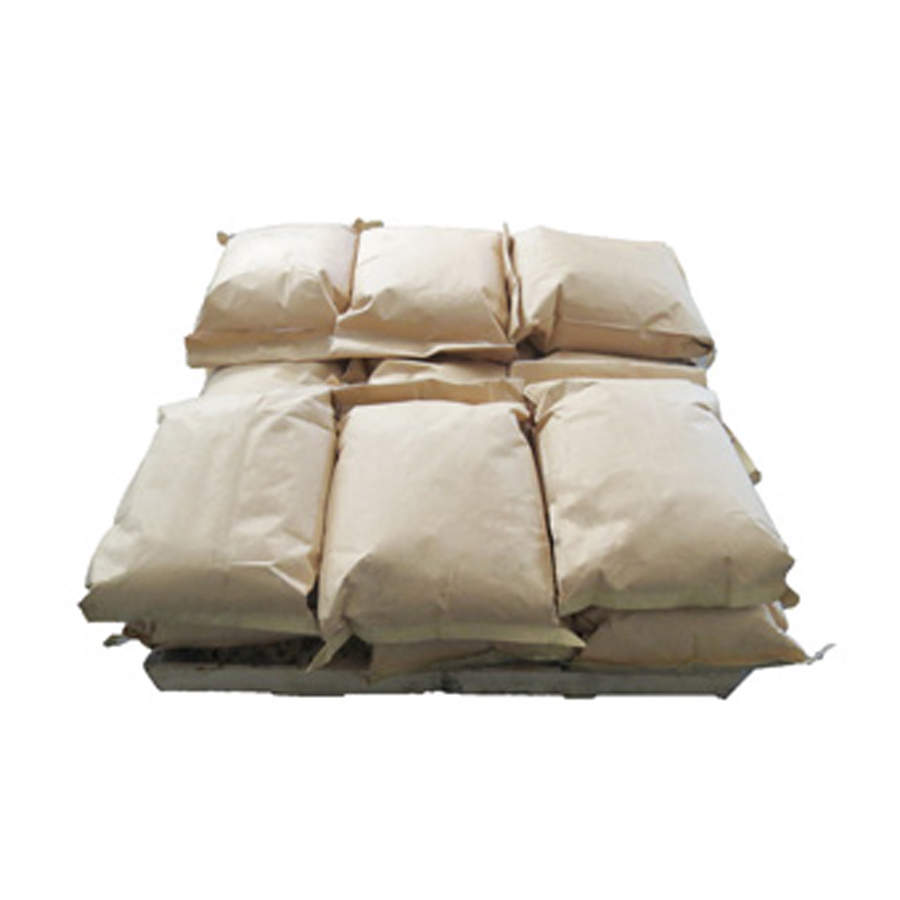
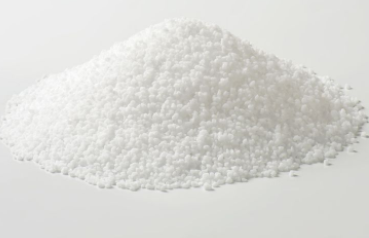
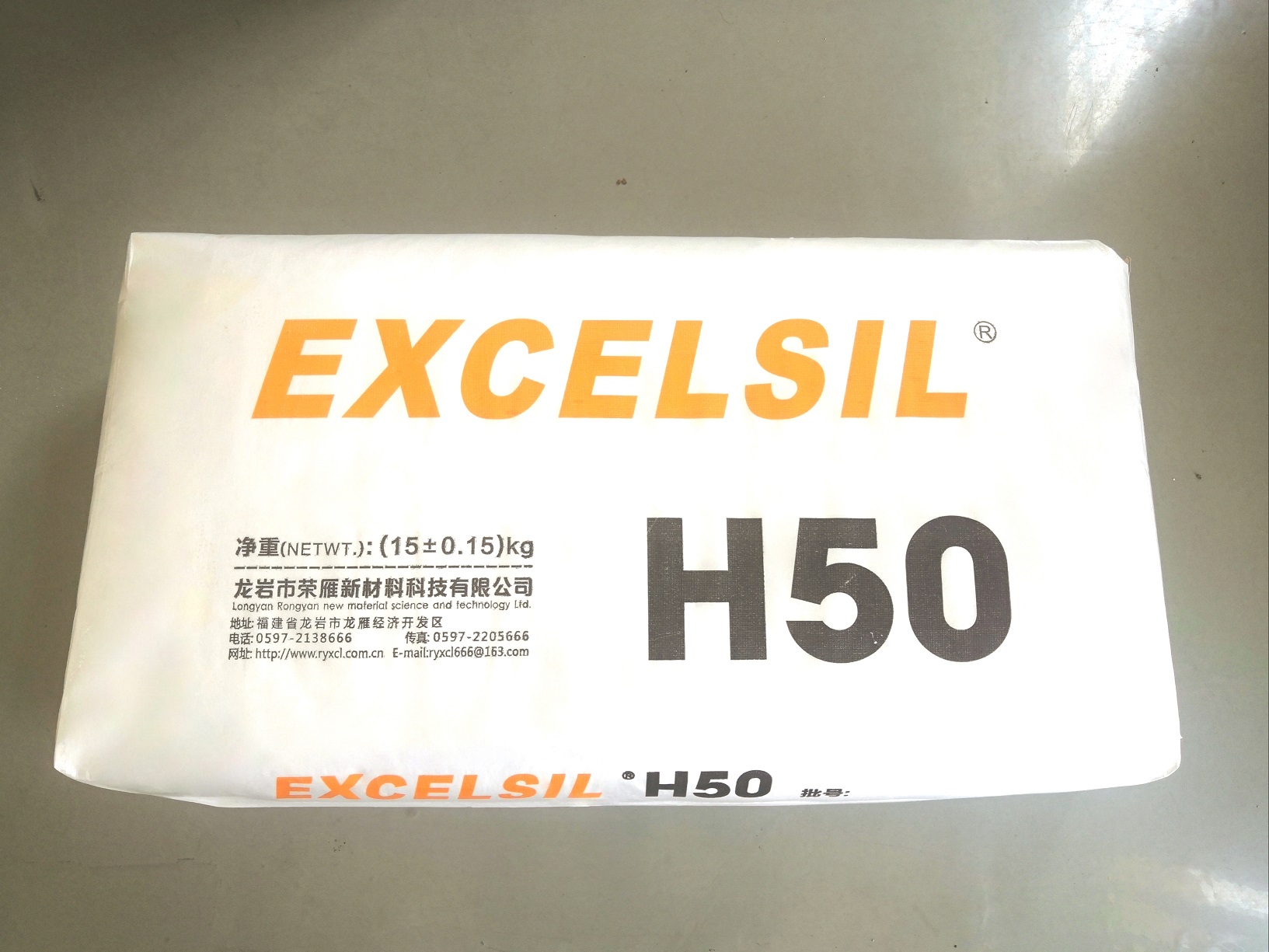
Mainly used for rubber
/
Tech Grade
15kg
/
Paper Bag
CAS:767-00-0
Molecular Formula:C7H5NO
Alias
More Information
4-Hydroxybenzonitrile; P-Hydroxybenzonitrile; P-Cyanophenol; 4 Cyanophenol
Brief Introduction
It is used in the production of liquid crystal, medicine, dye, pesticide intermediates, etc.
Suppliers
View More Vendors (3) >
Inquiry (
10
/ 10
)
Clear All
Sign In
Error!