
Antioxidant
Other Auxiliary Agent
Petroleum Additives
Adsorbent
Water Treatment Chemicals
Rubber Additives
Adhesive Additives
Cross-Linking Agent
Flame Retardants
UV Absorbers
Organic Extractant
Resin Additives
Electronics Chemicals
Pesticide Additives
Building Chemicals
Plastic Additives
Oilfield Chemicals
Adhesive
Plastic Rubber Chemicals
Paper Additives
Molecular Sieve
Coating Additives
Textile Auxiliaries
Fluorescent Brightener
Polyethylene Glycol Derivatives
Coupling
Forest Chemicals
Leather Auxiliary Agents
Beneficiation Agents and Smelting Additives
Dye Auxiliaries
CAS:693-13-0
Molecular Formula:C7H14N2
Alias
More Information
2-Propanamine, N,N‘-Methanetetraylbis-; Diisopropylcarbodiimide; Dipcdi; Diisopropyl-Carbodiimid; Dic; Dipci; 1,3-Di-Iso-Propylcarbodiimide; N,N'-Diisopropylcarb; N,N'-Di-Iso-Propylcarbodiimide; N,N'-Diisopropylcarbodiimide; Pci; Dipc; Carbodiimide, Diisopropyl-; N,N'-Methanetetraylbis; N,N'-Methanetetraylbis(1-Methylethylamine); N,N'-Methanetetraylbis(2-Propanamine)
Brief Introduction
N,N'-Diisopropylcarbodiimide is mainly used in the dehydration of amikacin and glutathione. It can also be used in the synthesis of anhydrides, aldehydes, ketones and isocyanates. When N,N'-Diisopropylcarbodiimide is used as dehydration condensing agent, it can be formed by short time reaction at room temperature, and the product is diisopropylurea. It can also be used in the synthesis of peptide and nucleic acid. It can be easily synthesized from compounds with free carboxyl group and free amino group at room temperature. N,N'-Diisopropylcarbodiimide is widely used in medicine, health care products, cosmetics, biological agents and other organic synthesis fields.
Suppliers
View More Vendors (4) >

CAS:7446-20-0
Molecular Formula:H14O11SZn
Alias
More Information
Zinc Sulfate; Zinc Vitriol; Ophthazinc T; Salt Of Vitriol; Goslarite; Zinci Sulfas; White Vitriol; zinc Sulphate Heptahydrate; ZINC Sulfate,ACS; zinc;Sulfate;Heptahydrate; Zinc Sulfate (1:1) Heptahydrate
Brief Introduction
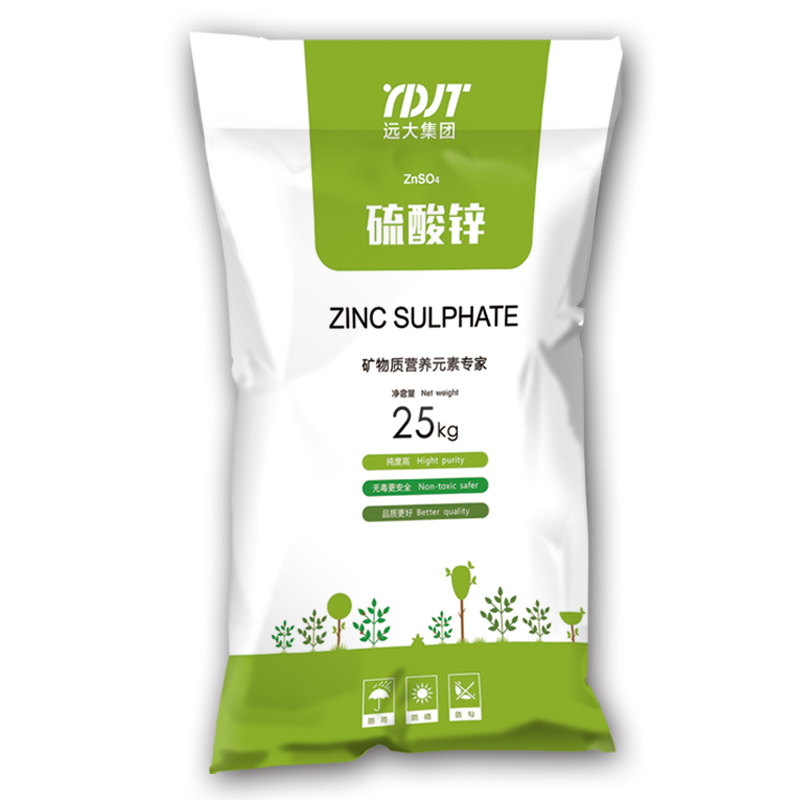
Zinc sulfate heptahydrate is a white particle or powder with orthorhombic crystal. It is a common astringent. It will be weathered in dry air. When heated to 30 ℃, it loses one molecule of crystal water, six molecules of crystal water at 100 ℃, seven molecules of crystal water at 280 ℃, and decomposes into zinc oxide and sulfur trioxide at 767 ℃. It is soluble in water and slightly soluble in ethanol and glycerol. It is mainly used as raw materials for manufacturing zinc barium and other zinc salts, as well as important auxiliary raw materials for viscose fiber and vinylon fiber. It is also used as printing and dyeing mordant, wood and leather preservation agent, bone glue clarification and preservation agent, medical emetic and fungicide, and trace element fertilizer in agriculture.
Suppliers
View More Vendors (4) >
Jiangxi Muse Renewable Resources Co., Ltd.

≥90%
/
Tech Grade
25kg
/
Woven Bag

CAS:7601-54-9
Molecular Formula:Na3O4P
Alias
More Information
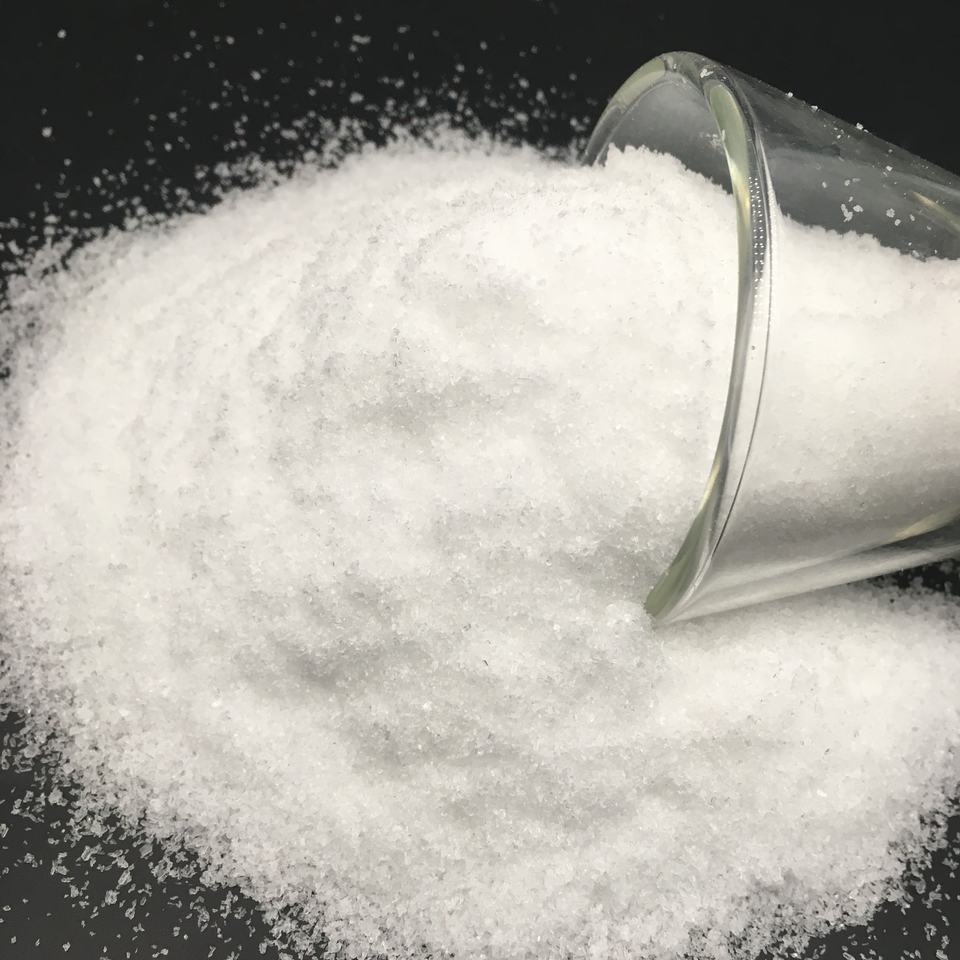
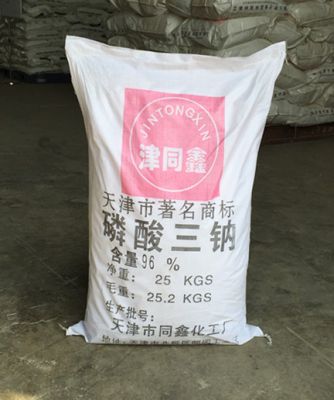
TSP; Trisodium Phosphate Anhydrous; Sodium Phosphate, Anhydrous; Trisodium Orthophosphate; Trinatriumphosphat; Nutrifos Stp; Tertiary Sodium Phosphate; tri Sodium Phosphate; Sodium Phosphate
Brief Introduction
As a water retention agent in the food industry, it is used in cans, fruit juice drinks, dairy products, meat products, cheese and beverages. In chemical, textile, printing and dyeing, papermaking, power generation and other industries, it is used as water softener and detergent, boiler scale inhibitor, water softener in paper dyeing, pH buffer of chemical Book adhesive for wax paper production, color fixing agent during printing and dyeing, mercerization enhancer of fabric, and anti embrittlement agent for thread making. Metallurgical industry is used for chemical degreasing and decontamination, and as an excellent accelerator in photographic development solution. Tooth cleanser and bottle detergent. A coagulant for rubber milk. Sugar juice purifier.
Suppliers
View More Vendors (4) >
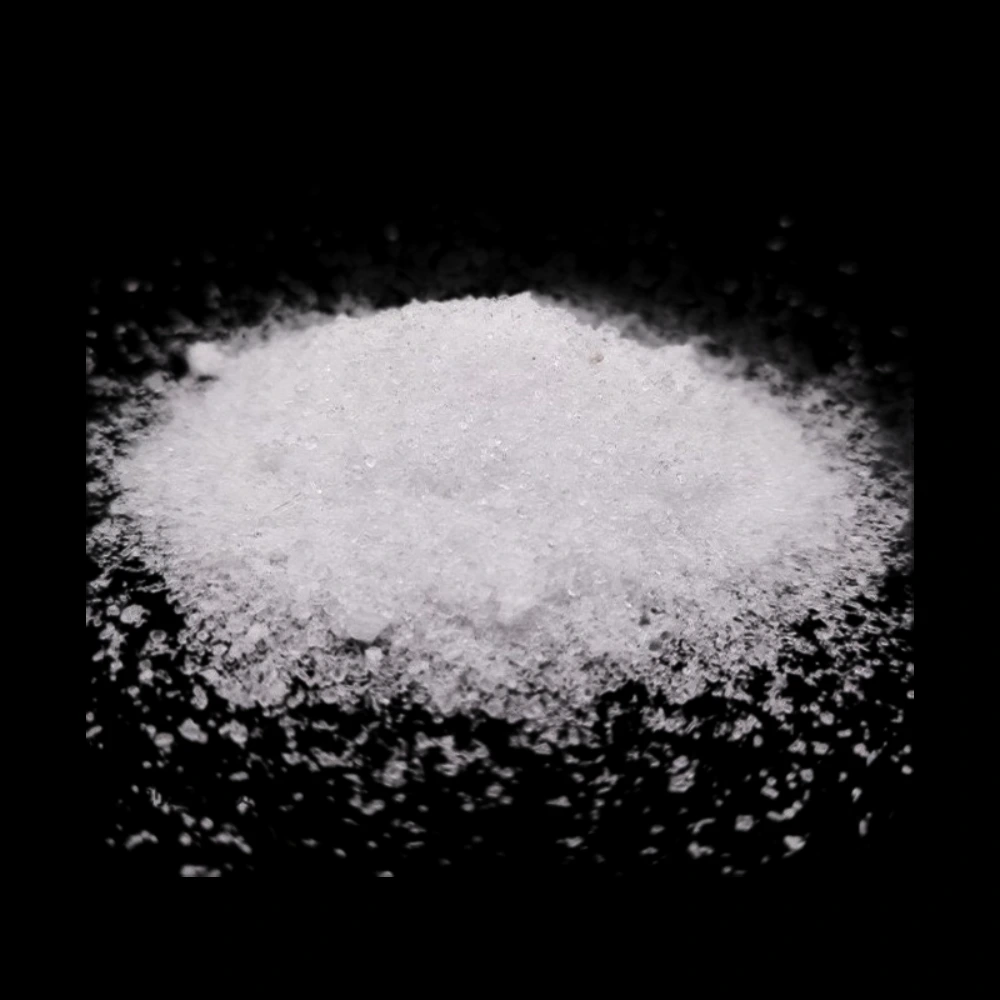
Purity: Industrial grade: ≥95%, Food grade: ≥98% (meets FCC standards)
/
-
CAS:7631-90-5
Molecular Formula:HNaO3S
Alias
More Information
Sodium,Hydrogen Sulfite; Sulfurous Acid Monosodium Salt; Sodium Metabisulphite; Sodium Hydrogen Sulfite; Nahso3; Sodium Hydrogen Sulphite; Sodium Bisulphite; Sodium BI Sulphite; Metabisulphite Sodium; MBS; Sodium Bidulfite
Brief Introduction
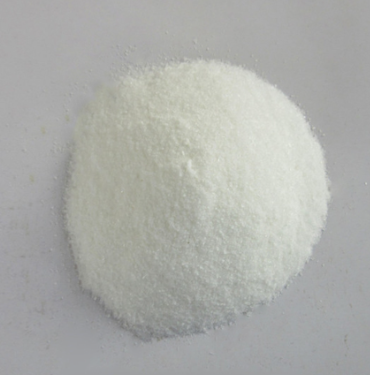
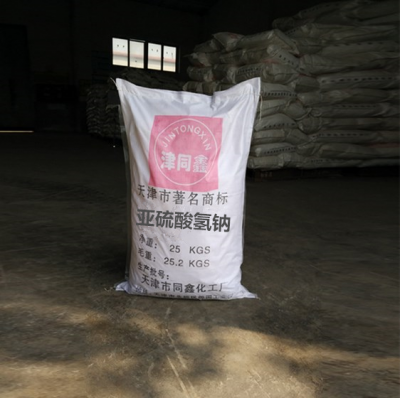
This product is used for bleaching cotton fabrics and organic fabrics. It is used as reducing agent in dyestuff, papermaking, tanning, chemical synthesis and other industries. The pharmaceutical industry is used to produce intermediates of analgin and aminopyrine. Food grade products are used as bleach, preservative and antioxidant.
Suppliers
View More Vendors (4) >
CAS:7705-08-0
Molecular Formula:Cl3Fe
Alias
More Information
Iron Trichloride; Iron(Iii) Chloride; Iron(Iii) Chloride (Anhydrous); Ferric Chloride Test Solution(Chp); Ferricchloride,Anhydrous; Flores Martis; Floresmartis; Iron Chloride (Fe2Cl3); Iron Chloride (Fecl3)
Brief Introduction
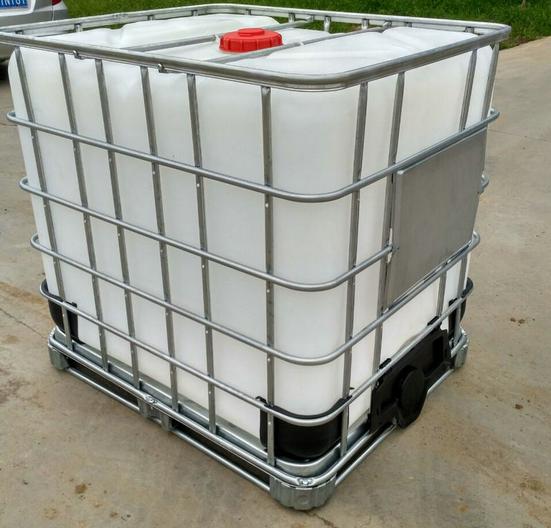
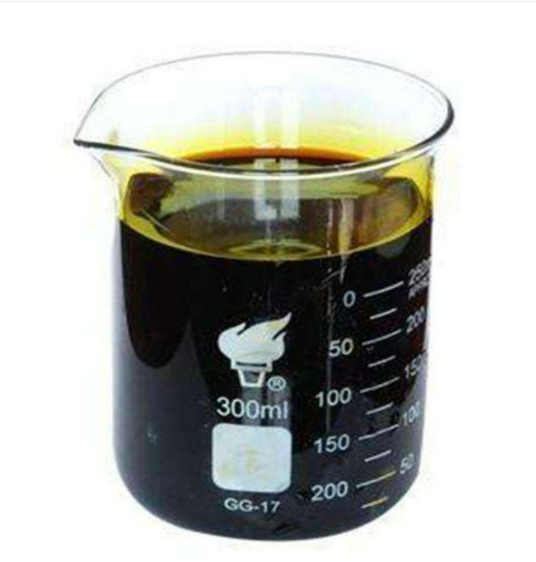
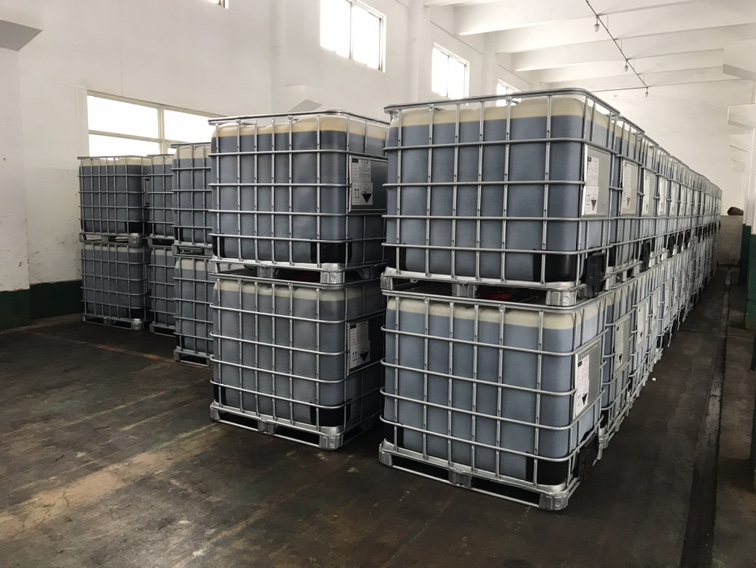
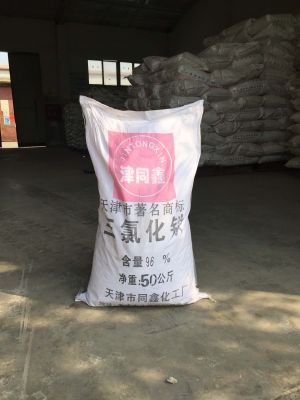
It is mainly used as water purifying agent for drinking water and precipitant for wastewater treatment and purification. The printing and dyeing industry is used as oxidant and mordant in indigo dyeing. Catalyst for organic synthesis of dichloroethane and other production. Chlorinated extractant for silver and copper ore. An etchant for photographic and printing plate making. Raw materials for manufacturing iron salts such as iron phosphate, medicine, pigment and ink. After infiltrating its solution into the building concrete, it can increase the building strength, corrosion resistance and prevent water seepage. It is used in the production of circuit board and fluorescent digital tube in electronic industry. Coagulant for recovering glycerol from waste liquid of soap production.
Suppliers
View More Vendors (4) >
Inquiry (
10
/ 10
)
Clear All
Sign In
Error!