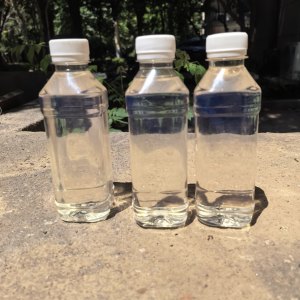
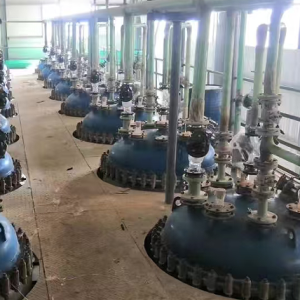
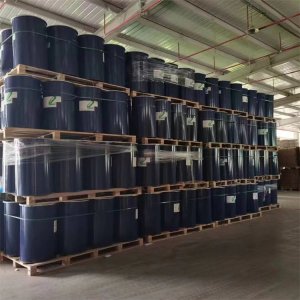
Details | This product is a new type of plant-based lipid eco-friendly plasticizer, which can replace traditional phthalate plasticizers completely or partially. It can reduce costs by 30%-60% and features better thermal stability than DBP. This product has fully passed SGS testing and is classified as non-hazardous. It is widely compatible with all PVC product sectors that require plasticizers. |
Testing | Reached standard through authoritative SGS testing |
| ROHS heavy metals testing complies with EU standards |
| 18 types of PAHs are undetected, complying with German standards |
| 16P is undetected, complying with REACH requirements |
Cost Advantage | Reduces product costs by 30%-60%, and can achieve 100% replacement in some products. |
Advantages & Features | 1. More stable performance: Thermal stability time reaches 70 minutes, with excellent extraction resistance and high elongation; provides better product gloss and durability. |
| 2. Lower comprehensive cost: High filler capacity allows for an increased filling ratio of calcium carbonate, etc., thereby compressing the comprehensive cost of the formula. |
| 3. Better compatibility: Excellent compatibility with PVC resin, improves processing fluidity, shortens kneading and mixing time, and is suitable for all mainstream PVC processing techniques including extrusion, calendering, injection molding, and blow molding. |
| 4. Price is far lower than DOP, reducing plasticizer costs by 30%-60%. |
Extension | Stable and reliable performance: Thermal stability, extraction resistance, and elongation are superior to traditional DBP. |
| Sustainable, eco-friendly, and safe attributes: Phthalate-free risk, heavy metal compliance, bromine-free pollutants, low toxicity profile, non-hazardous chemical; uses plant-based eco-friendly raw materials, low toxicity, and low hazard. |
| Cost and Operational Advantages |
| Direct cost reduction: Can replace traditional primary plasticizers in equal amounts, resulting in lower raw material costs for the comprehensive formula. |
| Indirect cost reduction: High filler capacity allows for an increased addition ratio of fillers like calcium carbonate, further compressing costs. |
| Low storage and transportation costs: Transported as ordinary goods, avoiding additional approvals and costs associated with hazardous chemical storage and transport. |
| Production efficiency enhancement: Shortens material kneading time, improves processing fluidity, and increases unit production capacity. |